
Flowering Plants
Most indoor plants just look green but flowering plants change. New buds open, blooms drop and come back if you care for them. A few are pet-safe but most aren't. Always check the listing before you order.


-
Jasmin Sambac
Prix habituel Du $15Prix habituelPrix unitaire par -

 En vente
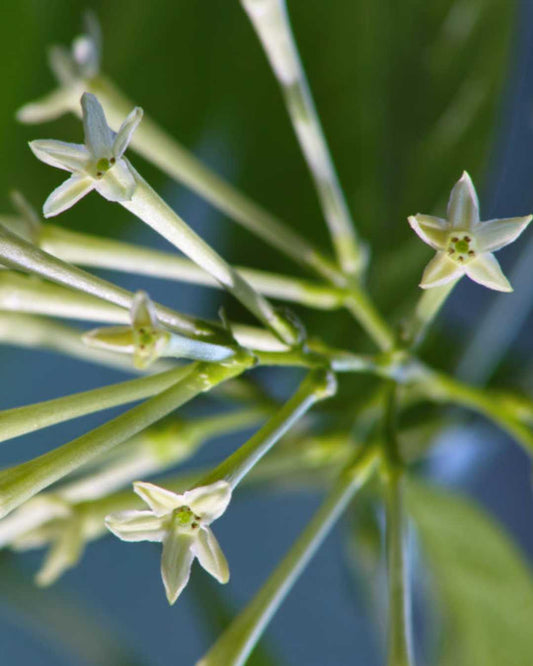
Jasmin en fleur de nuit
Prix habituel $20Prix habituelPrix unitaire par$25Prix promotionnel $20En vente -
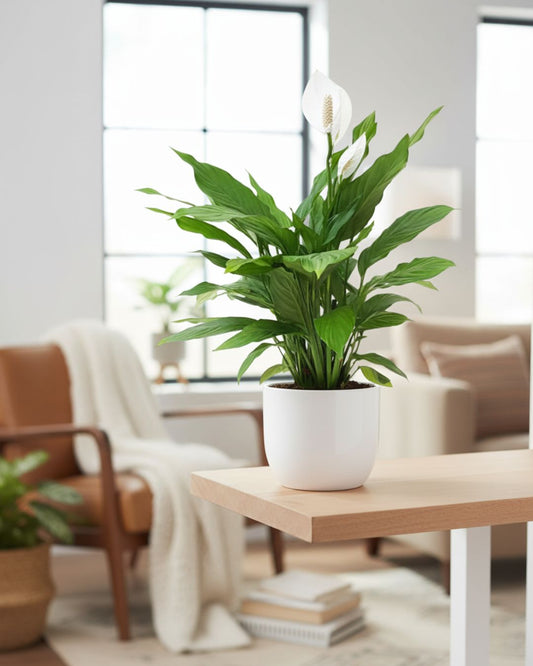
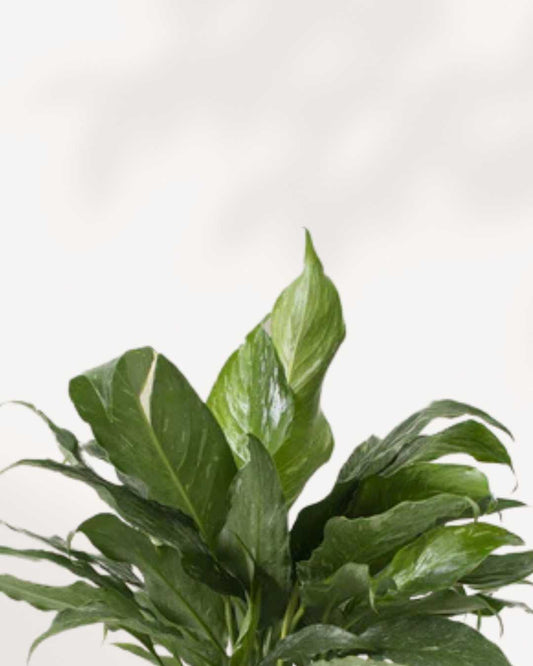
Lys de la paix
Prix habituel Du $12Prix habituelPrix unitaire par -
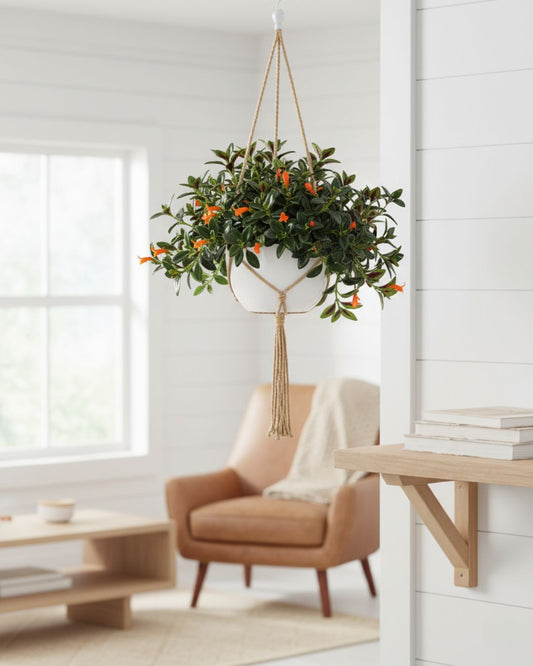
Poisson rouge Columnea Hirta
Prix habituel Du $15Prix habituelPrix unitaire par -
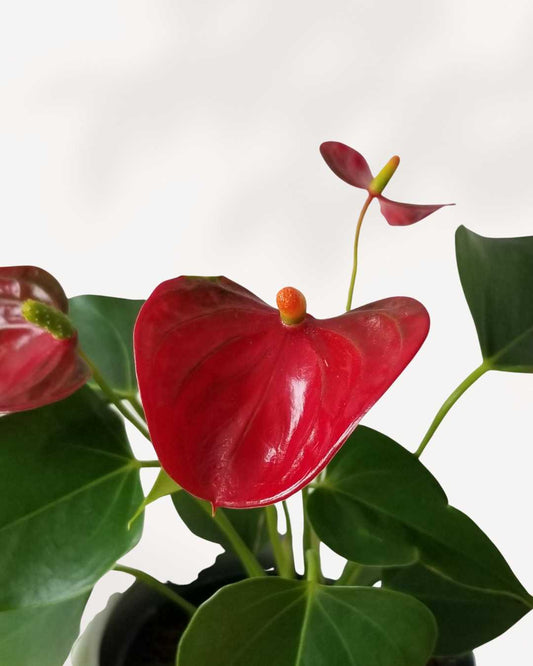
Anthurium Rouge
Prix habituel Du $18Prix habituelPrix unitaire par -
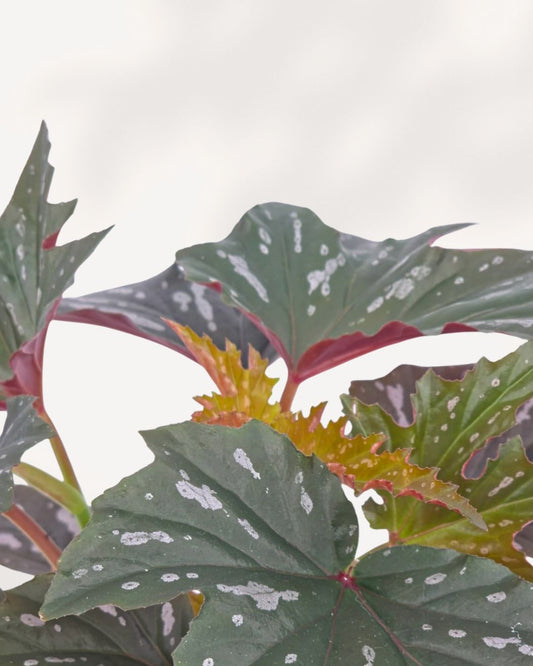
Bégonia Aile d'Ange
Prix habituel $35Prix habituelPrix unitaire par -
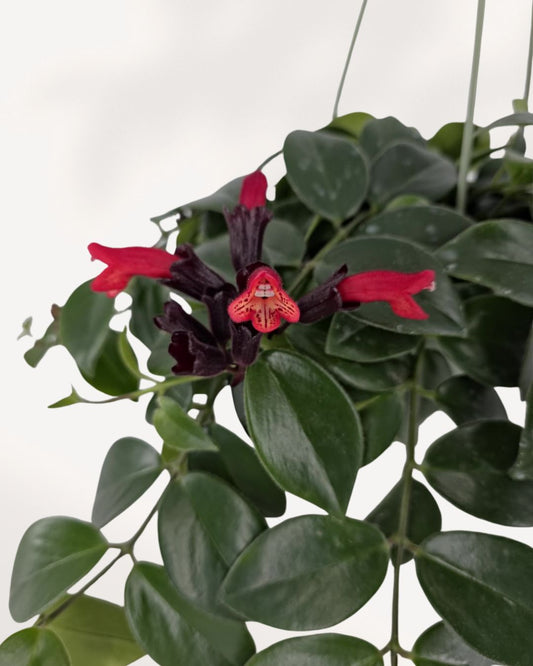
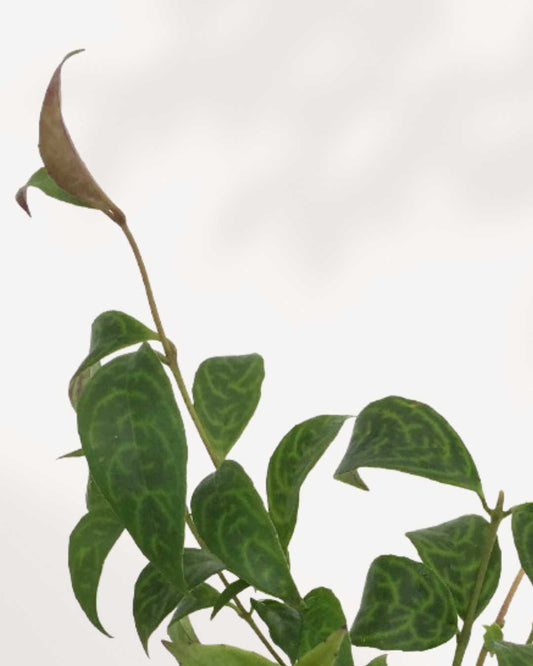
Usine de rouge à lèvres
Prix habituel Du $12Prix habituelPrix unitaire par -
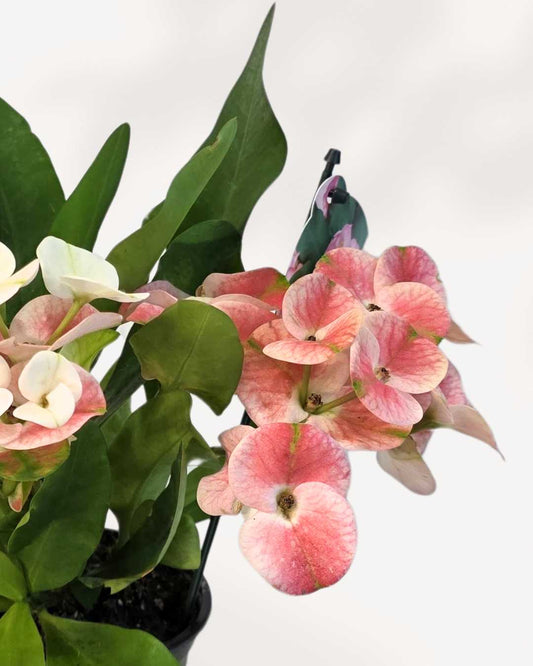
Euphorbia Milii Couronne d'épines
Prix habituel $18Prix habituelPrix unitaire par -
Plante à rouge à lèvres Pagode noire
Prix habituel Du $15Prix habituelPrix unitaire par -
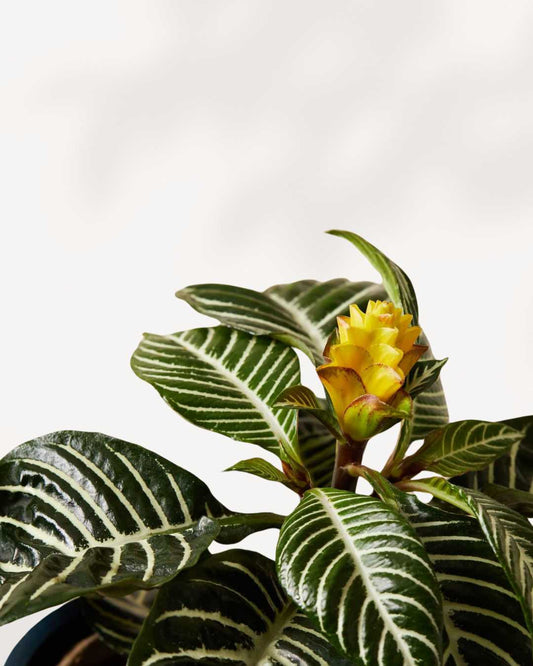
Plante zèbre Aphelandra
Prix habituel Du $18Prix habituelPrix unitaire par -
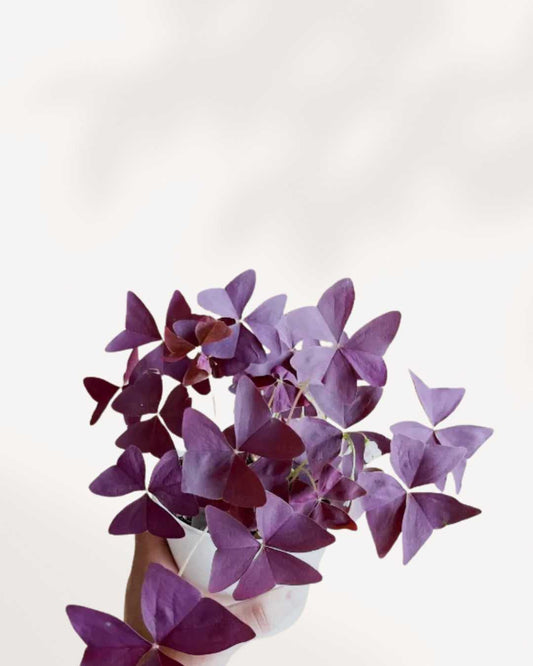
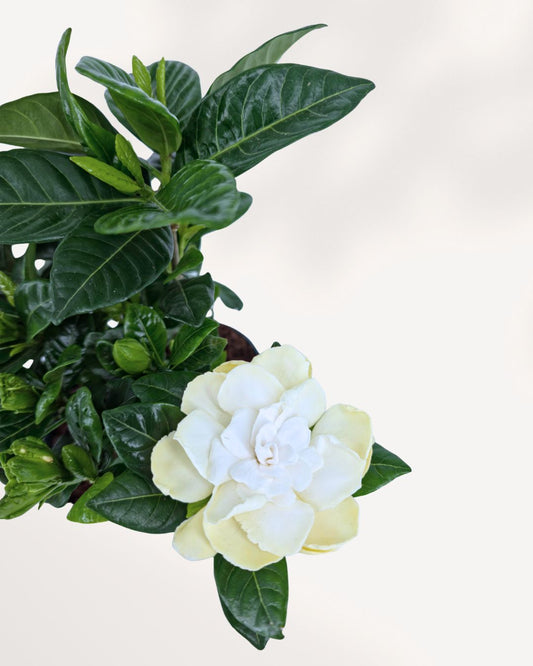
Plante de gardénia
Prix habituel $35Prix habituelPrix unitaire par -

 Join Waitlist
 -

 Join Waitlist
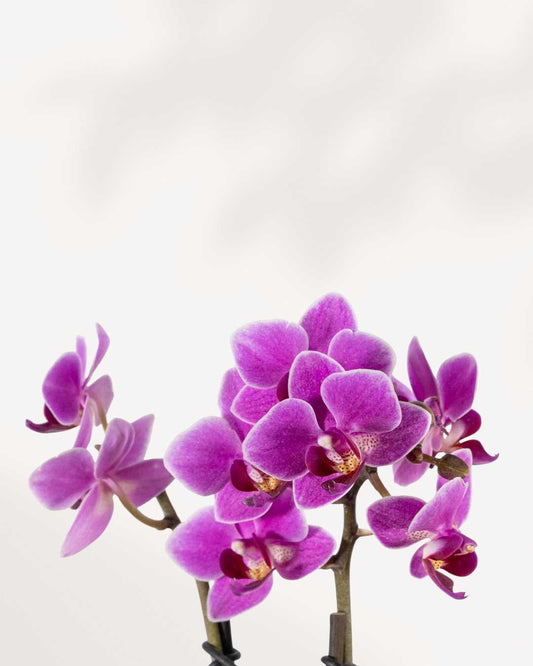
Mini orchidée Phalaenopsis
Prix habituel $15Prix habituelPrix unitaire par -
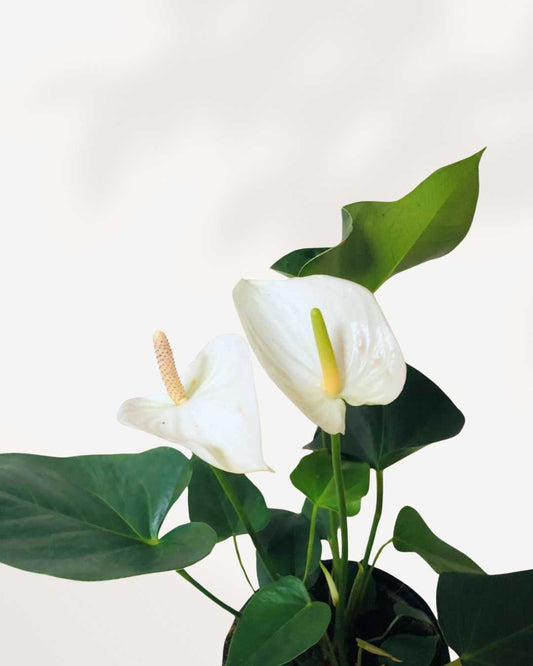
Anthurium blanc
Prix habituel Du $18Prix habituelPrix unitaire par -
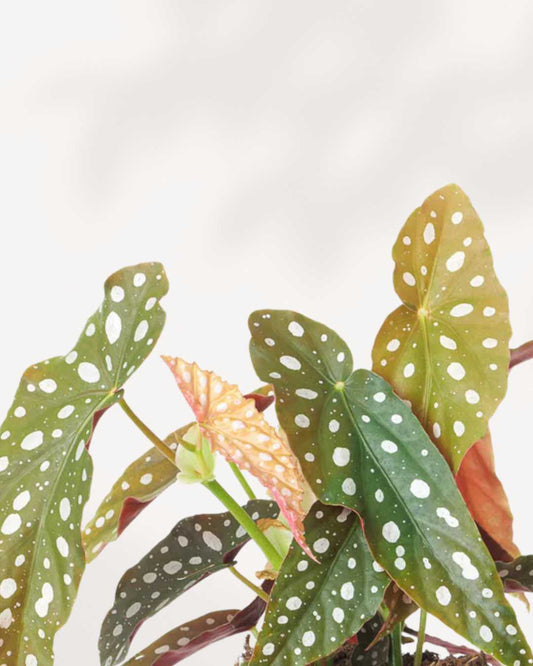
Bégonia Maculata
Prix habituel $40Prix habituelPrix unitaire par -

 Join Waitlist
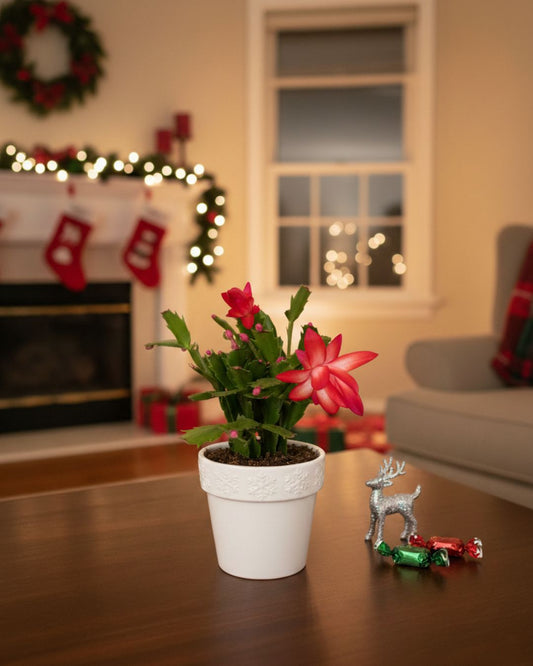
Cactus de Noël
Prix habituel $12Prix habituelPrix unitaire par -
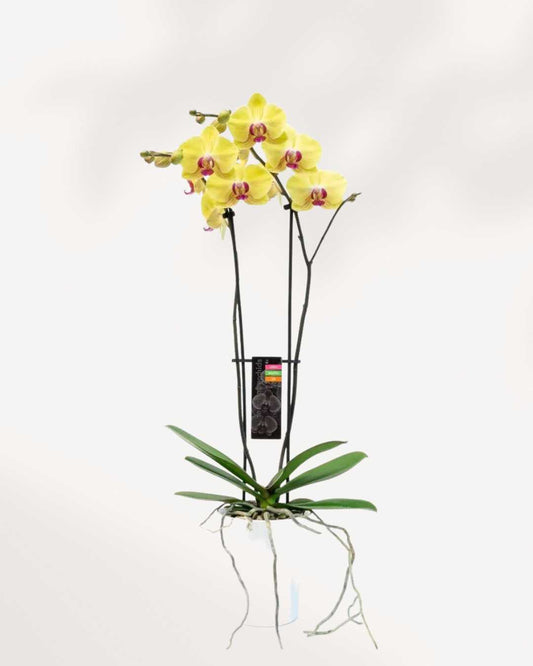
Orchidée Magnifica – Double pique en pot en céramique
Prix habituel $45Prix habituelPrix unitaire par$0Prix promotionnel $45 -
Domino Lis de la paix
Prix habituel $30Prix habituelPrix unitaire par -

 Join Waitlist
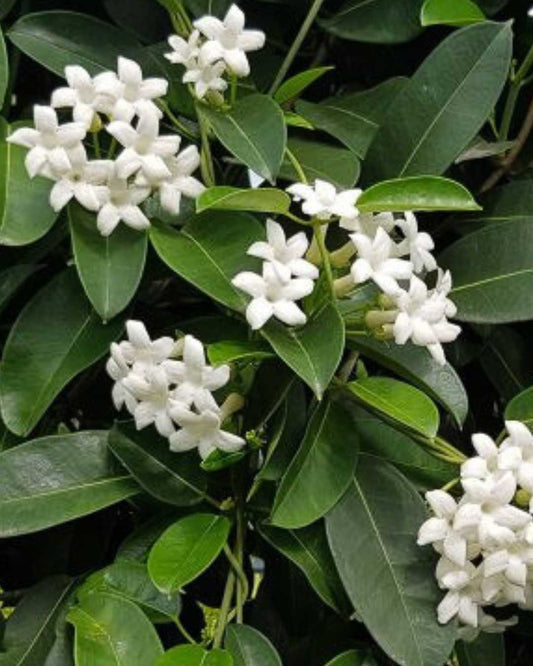
Jasmin de Madagascar Stephanotis
Prix habituel $65Prix habituelPrix unitaire par -

 Join Waitlist
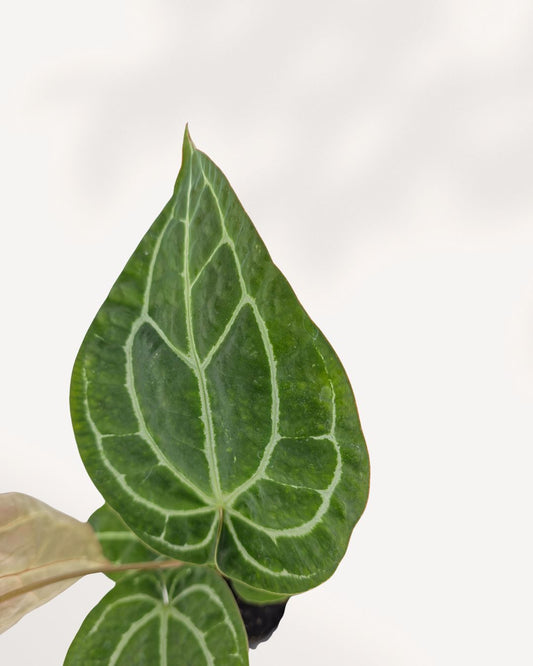
Anthurium Crystallinum Tortue
Prix habituel $30Prix habituelPrix unitaire par -

 Join Waitlist
 -

 Join Waitlist
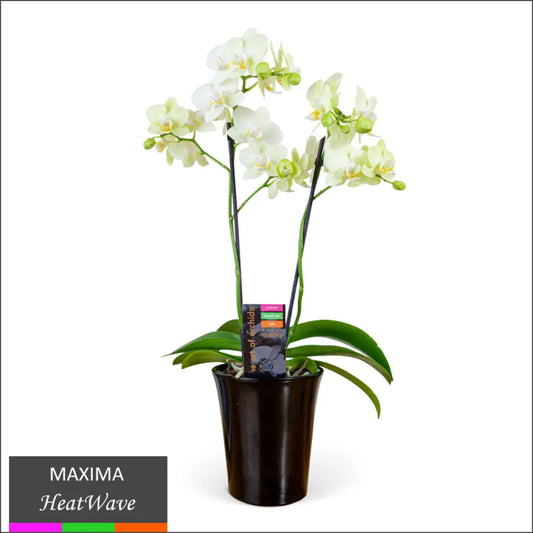
Orchidée Maxima – Multi Spike dans un pot en céramique
Prix habituel $45Prix habituelPrix unitaire par$0Prix promotionnel $45Join Waitlist -

 Join Waitlist
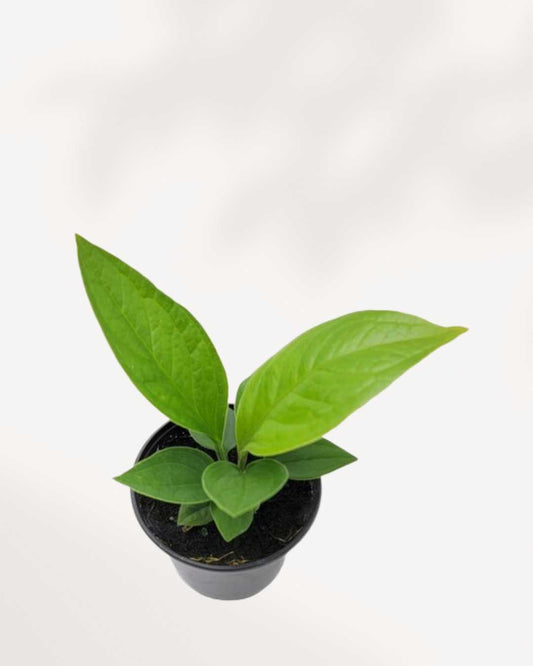
Anthurium Dame Verte
Prix habituel $18Prix habituelPrix unitaire par -

 Join Waitlist
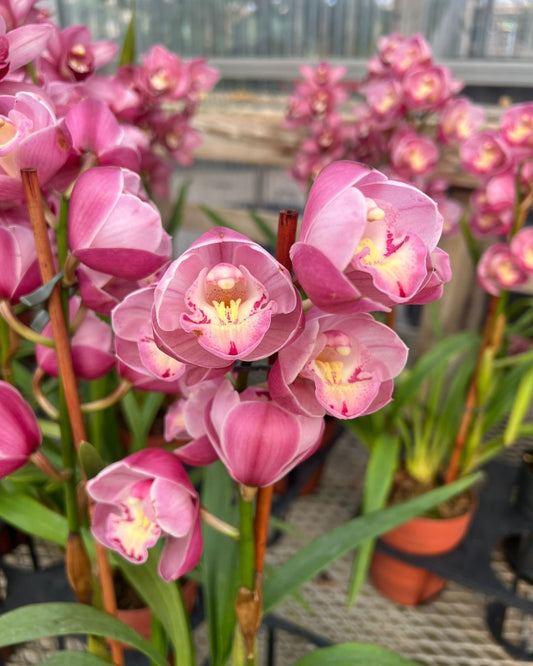
Orchidée Cymbidium
Prix habituel $89Prix habituelPrix unitaire par


















Let customers speak for us
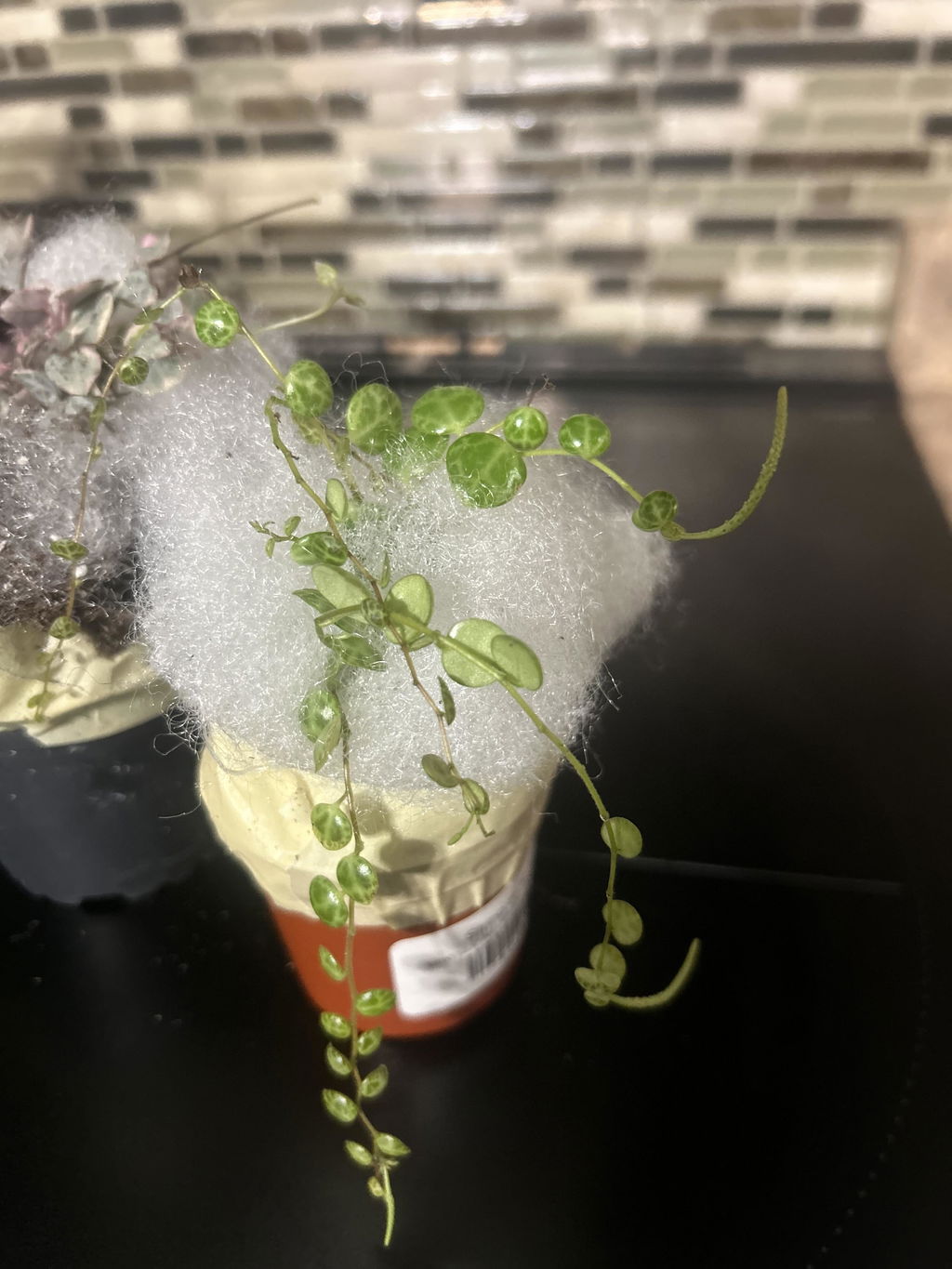
I received my string of turtle today, though I ordered a small one most of the leaves look healthy and happy I kind of wish it had a few more strands but I’m going to work hard to make sure it’s happy and healthy! For winter protection they wrapped it in cotton I’m super happy with all my plants so far!
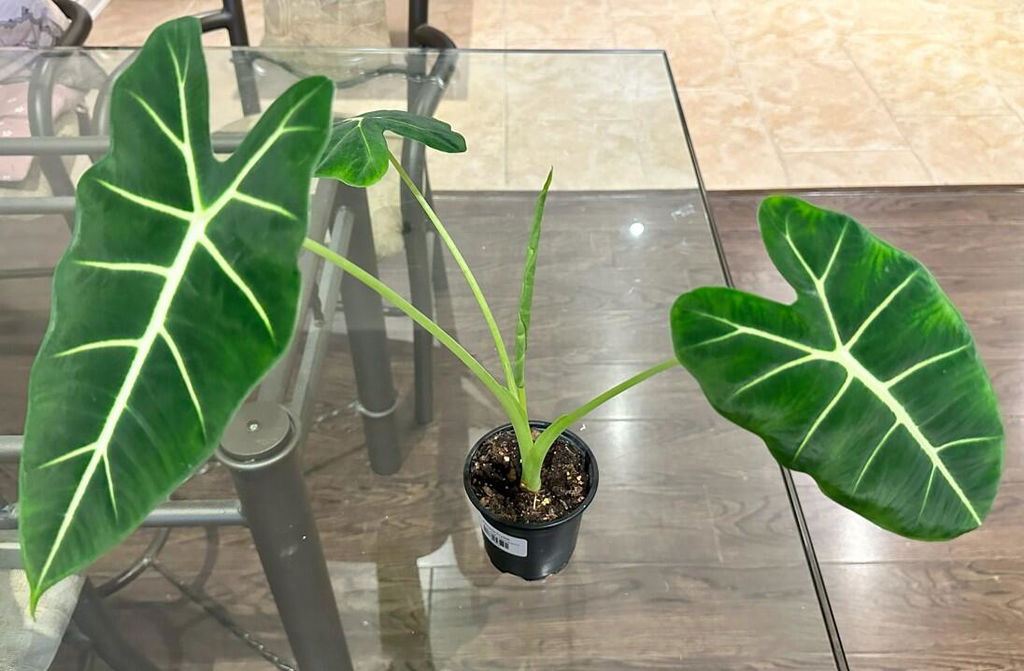
Very health roots and beautiful leaves, with new leaf coming out. Love this plant!
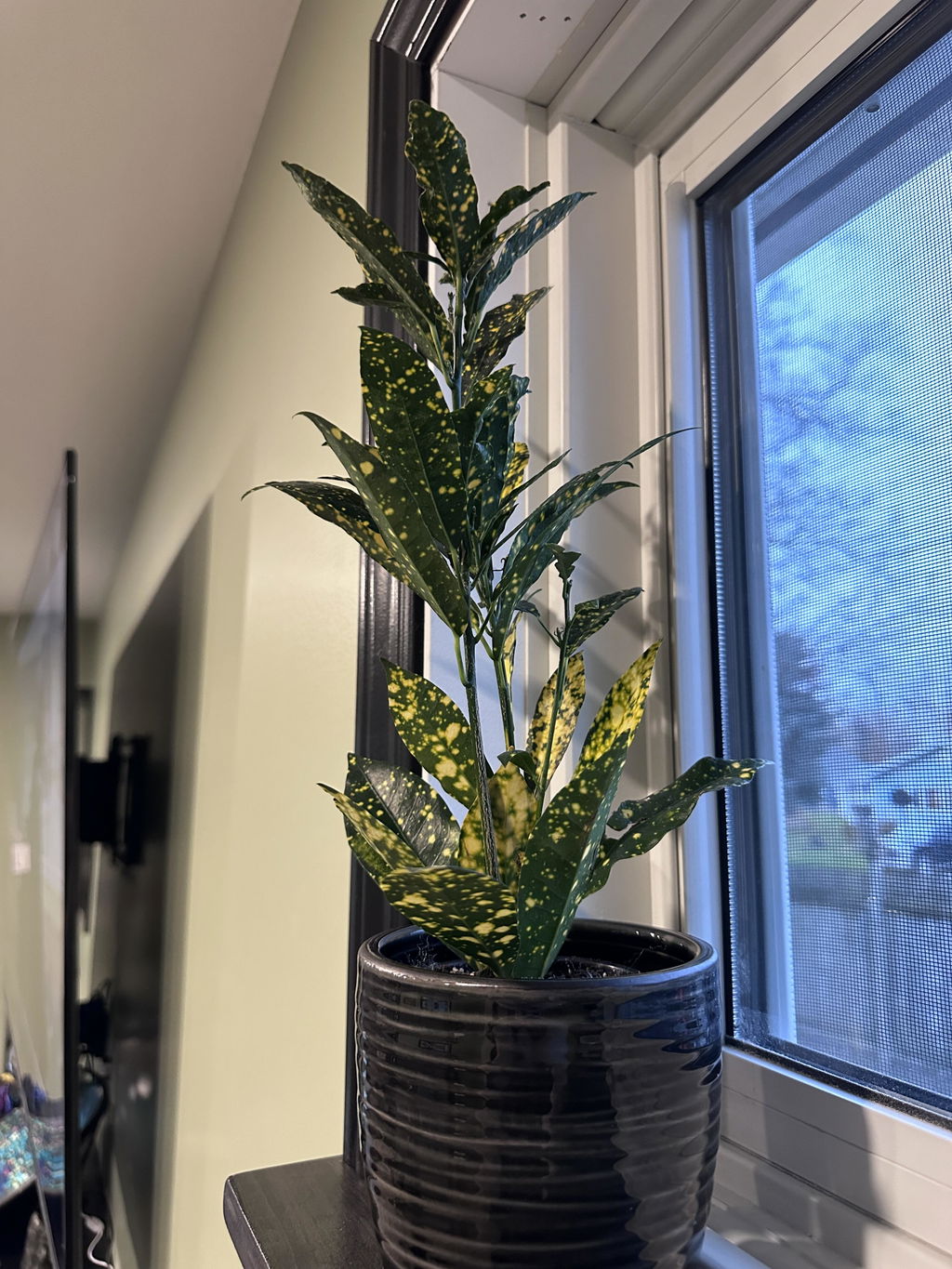
Absolutely love my plants! It was my first time ordering from this company and they did not disappoint. It arrived in perfect condition, carefully wrapped and protected. Will definitely be buying from them again!
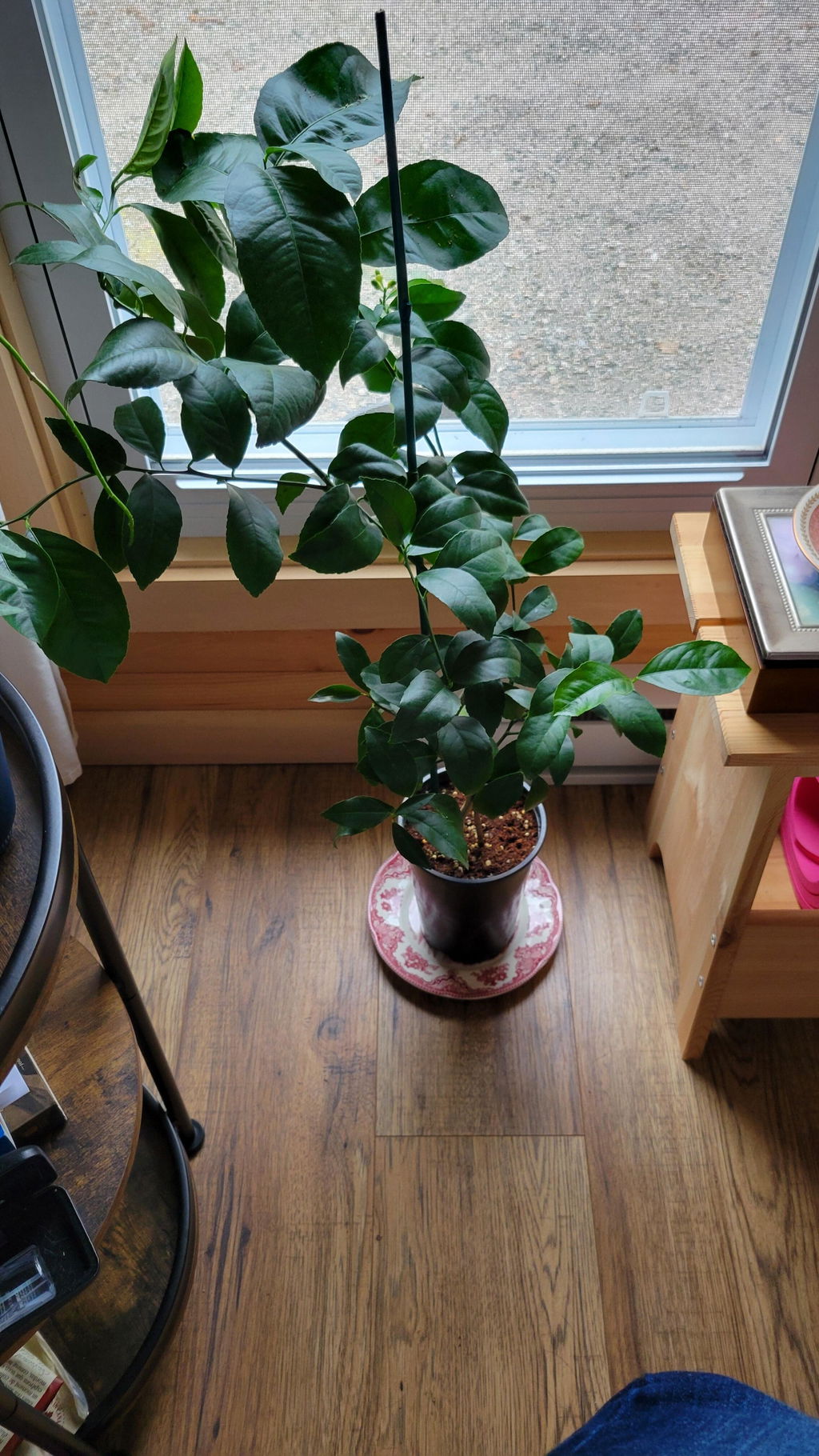
You then have obviously ordered from MyGreenScape!! This BEAUTIFUL, bigger then I realized plant is a welcome addition to a very sad window.
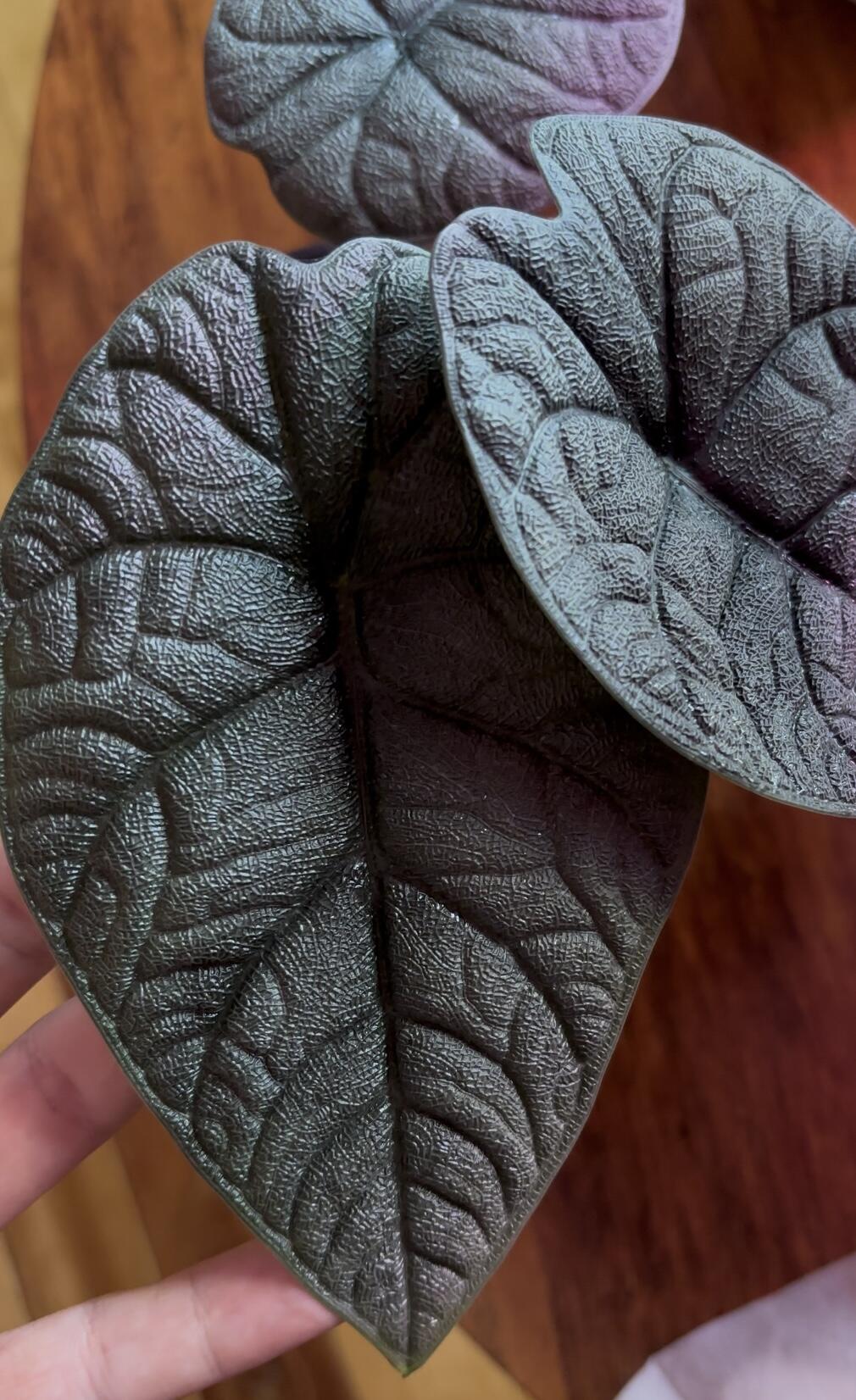
Parfaite 🖤
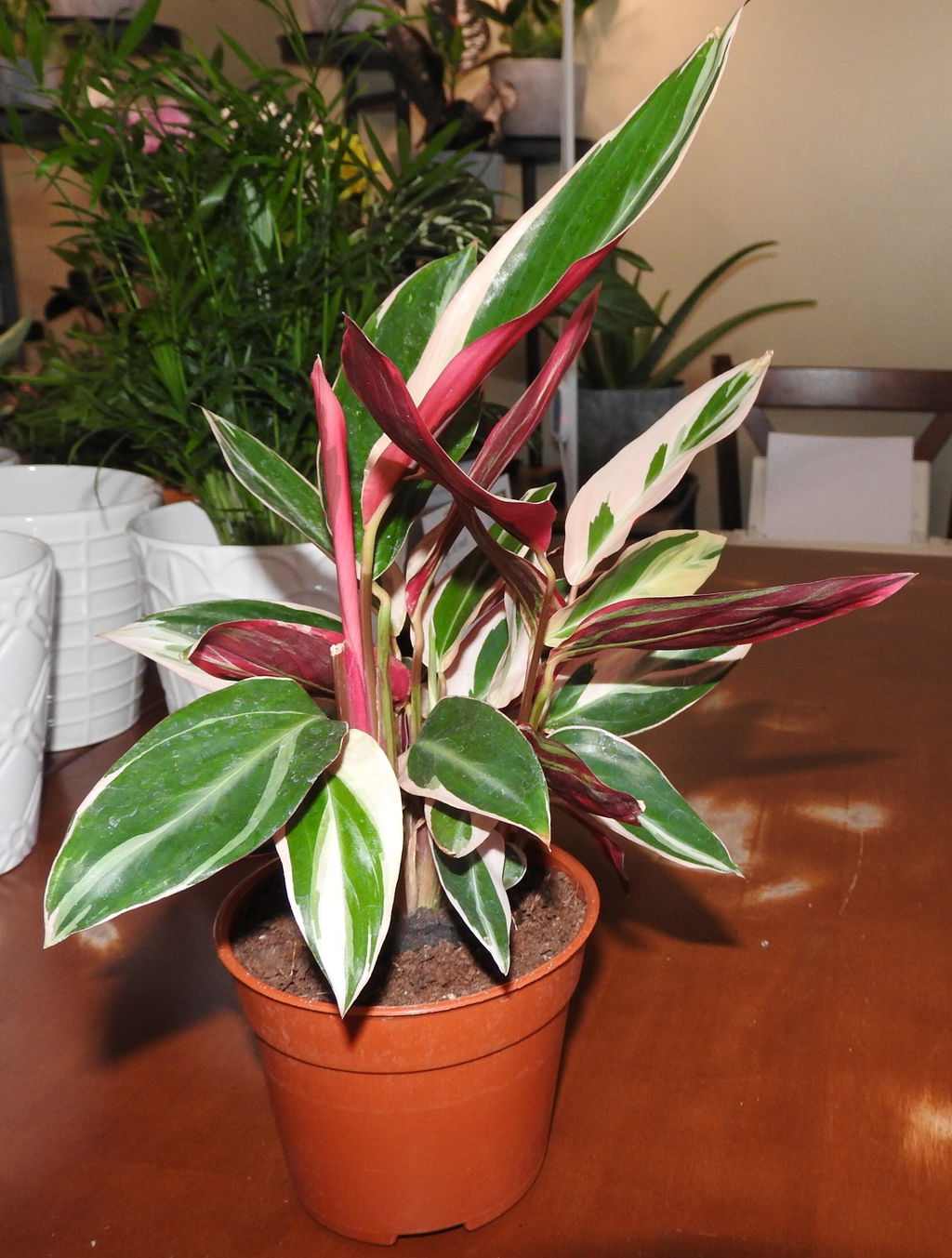
The Stromanthe Triostar was the last plant I unwrapped from my second order from mygreenscape.ca. I gasped when I saw this beautiful plant with its long leaves of dark and light pink and green. The underside of the leaves are deep pink. And it has some stripes, especially underneath. She is very healthy and has a few new leaves unfurling. All the plants were packaged up very well. Thanks so much!
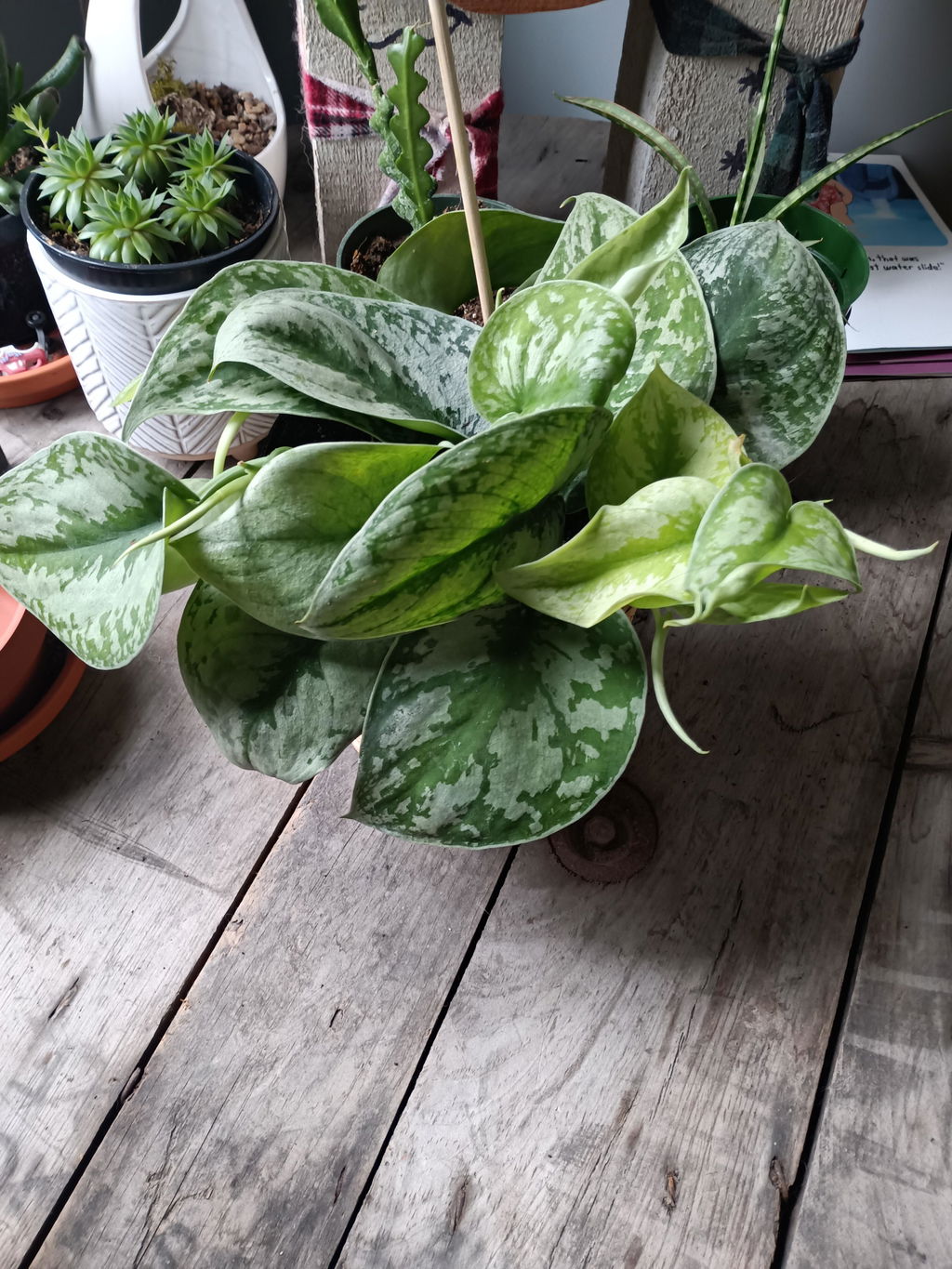
Such a pretty plant with big ol' leaves and tons of new growth coming in. So happy with it!
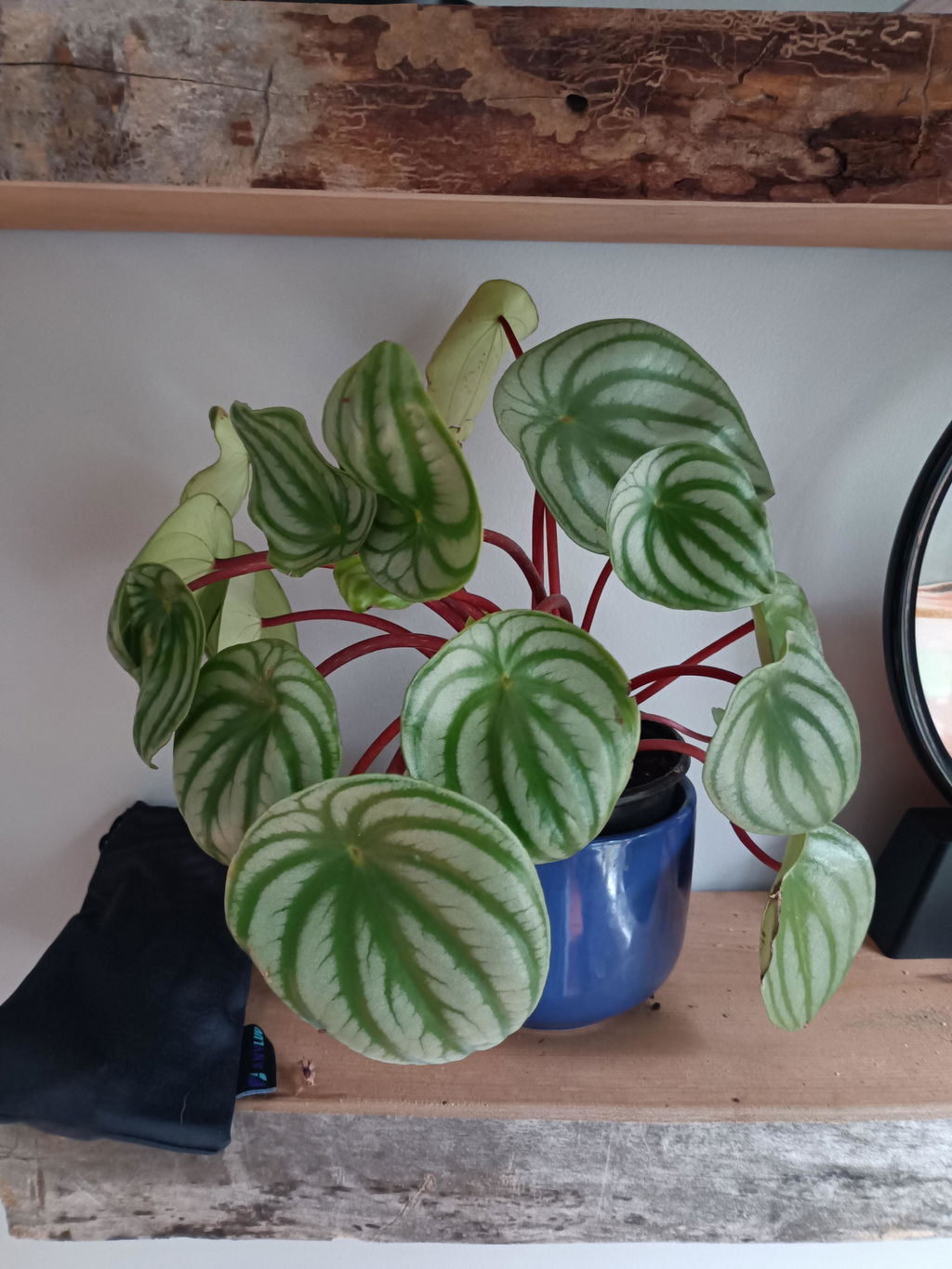
My order arrived quickly and all my plants were in great shape. I love this little plant, it arrived much fuller than I expected for the price.
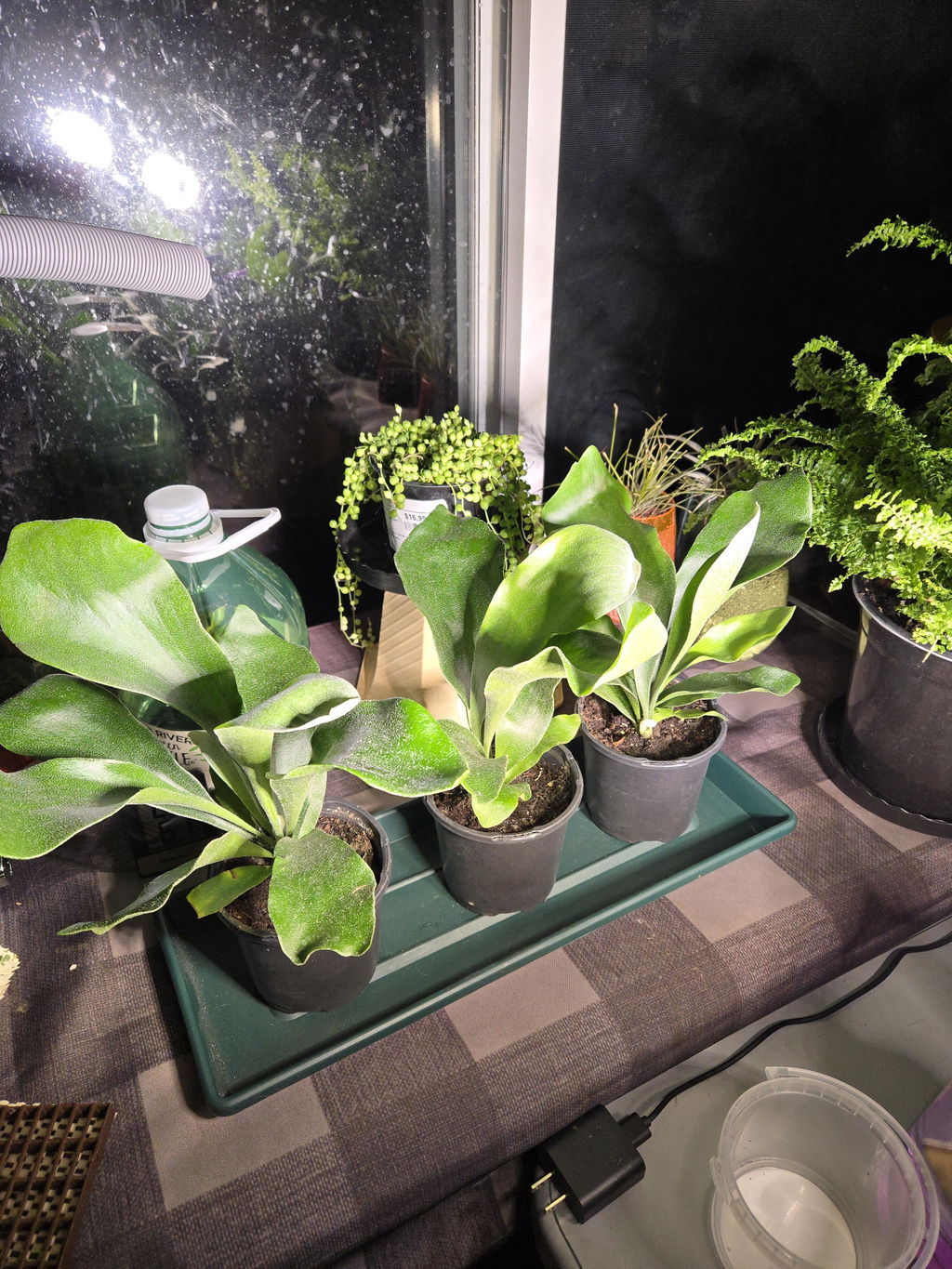
Just received my 3 plants, excellent condition, verry satisfied
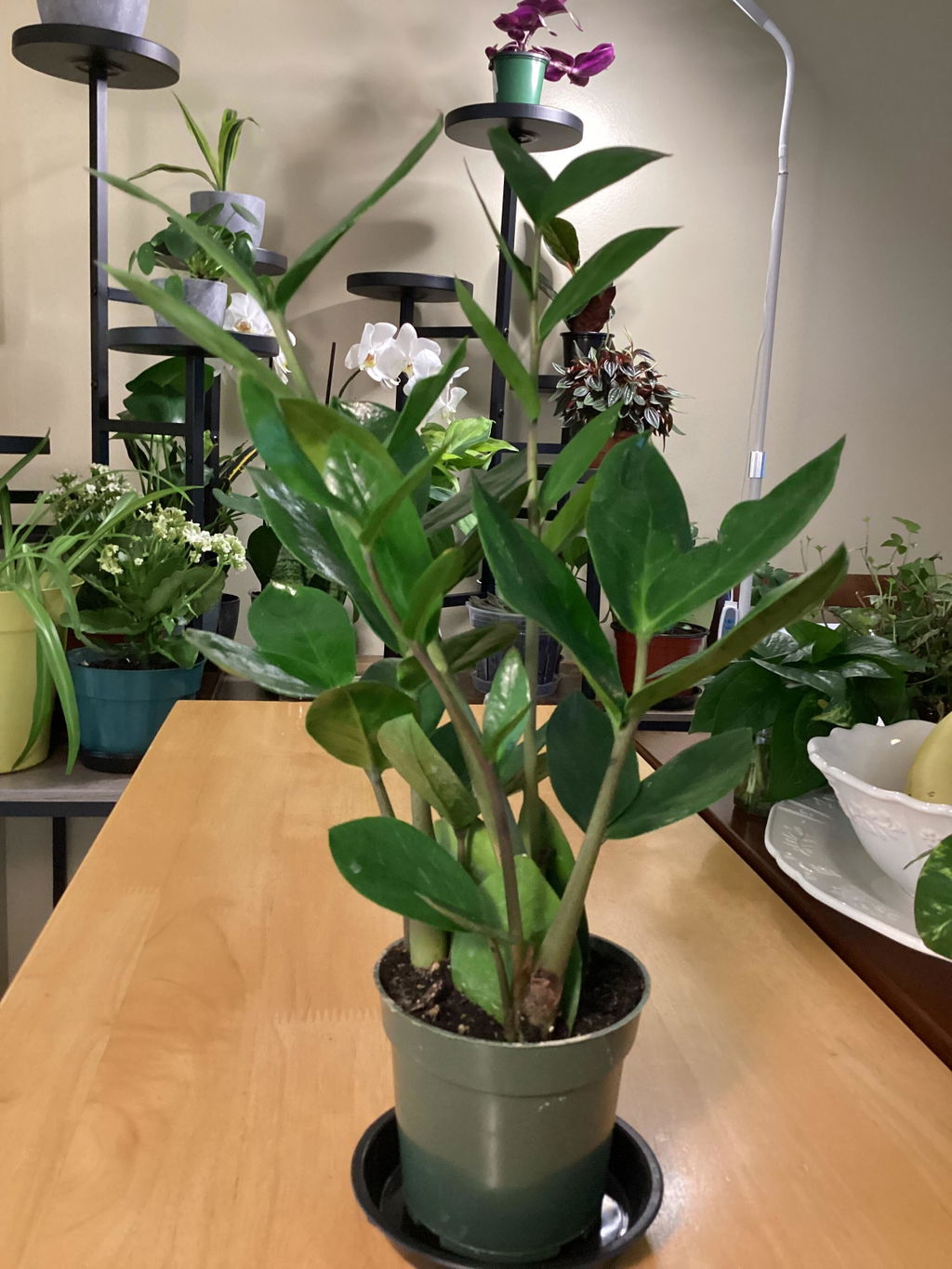
I'm so happy to have received this ZZ plant. Originally I ordered four plants, then after looking at my order I realized 2 of the same plant was in my cart. So I contacted Mygreenscape.ca and it was just in time as the shipment hadn't gone out yet. So I was advised I could pick another plant so that is how I became a plant parent for my ZZ :-) I'm grateful for the kindness I received -Thank you Imtiaz!
This is a very healthy plant. It's tall with interesting and shiny leaves. So nice to have this plant. Thanks Mygreenscape.ca
p.s. I want to purchase the ZZ Raven with my next order.
How to Care for Flowering Plants
Pourquoi commander des plantes en ligne chez nous.
-

GARANTIE DE SATISFACTION 30 JOURS POUR VOS PLANTES
Si votre plante ne prospère pas, nous y remédierons dans les 30 jours. Pas de stress, pas de tracas, juste des plantes heureuses.
-

ASSISTANCE VÉGÉTALE À VIE
Sur toutes les plantes achetées. Si vous avez des questions ou des préoccupations, n'hésitez pas à nous contacter !
-

QUALITÉ IMBATTABLE
Nous nous approvisionnons directement auprès des meilleurs producteurs, ce qui nous permet de livrer des plantes de la meilleure qualité aux meilleurs prix.
-

LIVRAISON GRATUITE - 3 jours ou moins
Disponible pour les commandes éligibles dans la région du Grand Toronto, avec une expédition rapide partout au Canada


When Your Flowering Plant Looks Off
Find your perfect plant
Answer five quick questions and we'll show you the plants best suited to your home, your light and your level of experience.
My new plant will live in the living roombright and roomy, most plants are happy here the bedroomusually the dimmest room in the house the bathroomhumid and low-light, a jungle in miniature an officedesk-sized, and forgiving of a missed weekend somewhere, not sure yetno problem, we'll keep our options open where it gets not much light1 to 4 hours of indirect light, shade-lovers only a decent amount of light4 to 6 hours indirect, or an hour or two of direct sun lots of direct sun4+ hours of direct sunlight, for the sun-worshippers . I'd like something tinywindowsill and shelf sized smallup to about 50 cm tall mediumroughly 50 to 100 cm tall large100 cm and up, a proper floor plant any size, surprise meall shapes and sizes welcome , and with plants I'm still learningwe'll stick to the forgiving ones pretty confidentbring on the fussy ones . At home there are no pets or small kidsanything goes pets or small kidswe'll only show plants confirmed safe around them .


30-Day Happy Plant Guarantee
If your plant isn't thriving, we'll make it right within 30 days. No stress, no hassle, just happy plants.

Lifetime Plant Support
On all our plants purchased. If you have any questions or concerns don't hesitate to contact us!

1273+ perfect matches
You might be surprised at the plants your space can actually grow.

Free Delivery - 3 Days or Less
Available on qualifying orders in the GTA, with fast shipping across Canada.
Vous pourriez aussi aimer
-

Accessoires
Ce sont les accessoires qui permettent réellement à vos plantes de vivre...
-

Meilleurs choix
Débloquez les meilleures économies sur la page Offres de MyGreenScape. Parcourez nos...
-

Plantes purificatrices d'air
Améliorez naturellement la qualité de l'air intérieur grâce à nos plantes dépolluantes...
-

Plantes à faible luminosité
Envie d'égayer des espaces peu lumineux ? Découvrez notre sélection de plantes d'intérieur...


