
Orchid Care Checklist
This checklist covers the moth orchid (Phalaenopsis), the orchid you'll find in most Canadian homes and stores. Bright indirect light, a good soak once a week, bark instead of soil, and a few cool nights in autumn. That's the whole routine.
And if you have pets, good news: the ASPCA lists moth orchids as non-toxic to cats and dogs.
Quick answer: Put it in an east window, water thoroughly about once a week in the morning, keep it in bark, feed weakly, and give it cooler nights for a few weeks in autumn so it flowers again.

The Checklist
| Light | Bright indirect. An east window is ideal. No strong direct sun. |
| Water | About once a week for a mature plant in bark. Morning only. |
| Never | Leave water in the crown or in the decorative outer pot. |
| Temperature | Nights above 16°C (60°F). Days 24 to 29°C (75 to 85°F). |
| Humidity | 50% or higher. A pebble tray helps in winter. |
| Feeding | Weekly at half strength after watering. Quarter strength in winter. |
| Potting mix | Orchid bark mix. Never regular potting soil. |
| Reblooming | Nights around 13°C (55°F) for several weeks in autumn. |
| Pets | Non-toxic to cats, dogs and horses. |
Weekly To-Do List
- Lift the pot. Heavy means wait. Light means water.
- Water in the morning at the sink, then let it drain fully.
- Check the crown and dab out any standing water with a paper towel.
- Empty any water left in the decorative outer pot.
- Feed at half strength after watering (quarter strength in winter).
Good News If You Have Pets
The ASPCA lists the moth orchid (Phalaenopsis) as non-toxic to dogs, cats and horses.
That makes it one of the few flowering houseplants you don't need to hide. Any plant can still upset a pet's stomach if they eat a lot of it, but this one isn't a poisoning risk.
More safe picks in our pet friendly collection.
Light
Bright, indirect light. An east-facing window is the classic spot. A south or west window works if a sheer curtain softens the sun.
Strong direct sun can burn the leaves very quickly. And in a Canadian winter, keep the leaves from touching the cold glass.
Not sure about your room? Our guide to plant light requirements helps you check.
Watering
For a mature plant in bark, a thorough watering once a week is usually enough. That's the guidance from the Missouri Botanical Garden. If yours is in sphagnum moss instead, water less often, only when the top feels dry.
How to do it:
- Take the inner pot to the sink.
- Run room-temperature water through the bark.
- Let it drain completely.
- Put it back in its outer pot.
Water in the morning so the leaves are dry by night. If water collects in the crown, where the leaves meet, dab it out with a paper towel. Water left there causes crown rot.
Quick root check: green roots are well watered. Silvery roots are getting dry.

What about ice cubes?
Researchers at Ohio State and the University of Georgia tested it. Orchids in bark that got three ice cubes a week did just as well as orchids given the same amount of room-temperature water. Flower life and root health were the same.
Not everyone agrees, though. The Missouri Botanical Garden still advises against ice cubes, saying cold can shock the roots and a few cubes don't give enough water.
Our take: ice cubes are a way to measure out a small amount of water, nothing more. A proper soak at the sink is still the safer habit. And the research only tested bark, not moss.
How to Make It Flower Again
This is the step most people miss. To start a new flower spike, the plant needs several weeks of cooler nights in autumn, around 13°C (55°F).
The American Orchid Society and the Missouri Botanical Garden both give that figure.
In Canada, this can happen on its own. A windowsill gets cooler at night in September and October. Just don't move it somewhere warmer.
Once buds appear, leave it where it is. Sudden temperature changes and drafts make buds drop.
Temperature and Humidity
Nights above 16°C (60°F) and days between 24 and 29°C (75 to 85°F) suit it, with a cooler spell in autumn for flowering. Keep it above 10°C (50°F) and below 35°C (95°F).
It likes humidity of 50% or higher. Furnace-dried winter air drops well below that, so a pebble tray (pot above the water, not in it) or a humidifier helps.
Keep it away from heat vents and cold drafts.
Potting and Feeding
Use a bark-based orchid mix. Never regular potting soil. It holds too much water and rots the roots.
Feed weekly after watering with a balanced orchid fertiliser at half strength. Drop to quarter strength in winter. Our fertiliser buying guide helps you choose.
Repot about every two years, or sooner if the bark starts breaking down. The best time is right after it finishes flowering.
After the Flowers Fall
Cut the old spike near its base. The Missouri Botanical Garden says this encourages the plant to rebloom within a year.
Flowers can last two to six months, so enjoy them while they're there.

When Something Goes Wrong
| Problem | Likely cause | Fix |
| Mushy, dark centre | Water left in the crown | Water mornings only. Dab out the crown. |
| Brown, mushy roots | Soggy or broken-down bark | Repot in fresh bark and trim dead roots. |
| Buds dropping before they open | Temperature change or a draft | Leave it in one spot, away from vents and doors. |
| Healthy leaves, no flowers | Not enough light, or no cool nights | East window plus cooler autumn nights. |
| Sunburnt patches on leaves | Strong direct sun | Move it back or add a sheer curtain. |
| Died soon after repotting | Potted in regular soil | Always use orchid bark. |
Seeing white fluffy spots? Read our mealybug guide.
FAQs
Are orchids safe for cats and dogs?
Yes. The ASPCA lists the moth orchid as non-toxic to dogs, cats and horses.
How often should I water my orchid?
About once a week for a mature plant in bark, in the morning. Lift the pot first. If it feels heavy, wait a few days.
Do ice cubes work for orchids?
A university study found three ice cubes a week worked as well as regular water for orchids in bark. The Missouri Botanical Garden still advises against it. A soak at the sink is the safer habit.
Why won't my orchid flower again?
Usually not enough light, or no cool spell. It needs several weeks of nights around 13°C (55°F) in autumn.
Should I cut the flower spike?
Yes. Cutting the old spike near the base encourages a new one within a year.
Can I use normal potting soil?
No. Regular potting soil holds too much water and rots orchid roots. Use orchid bark.
Final Thought
Soak it weekly in bark, and let the autumn nights get a little cooler. Do those and it will keep flowering for years.
For the full guide, see our orchid care page. Shop our orchids, or the double spike orchid.
Let customers speak for us
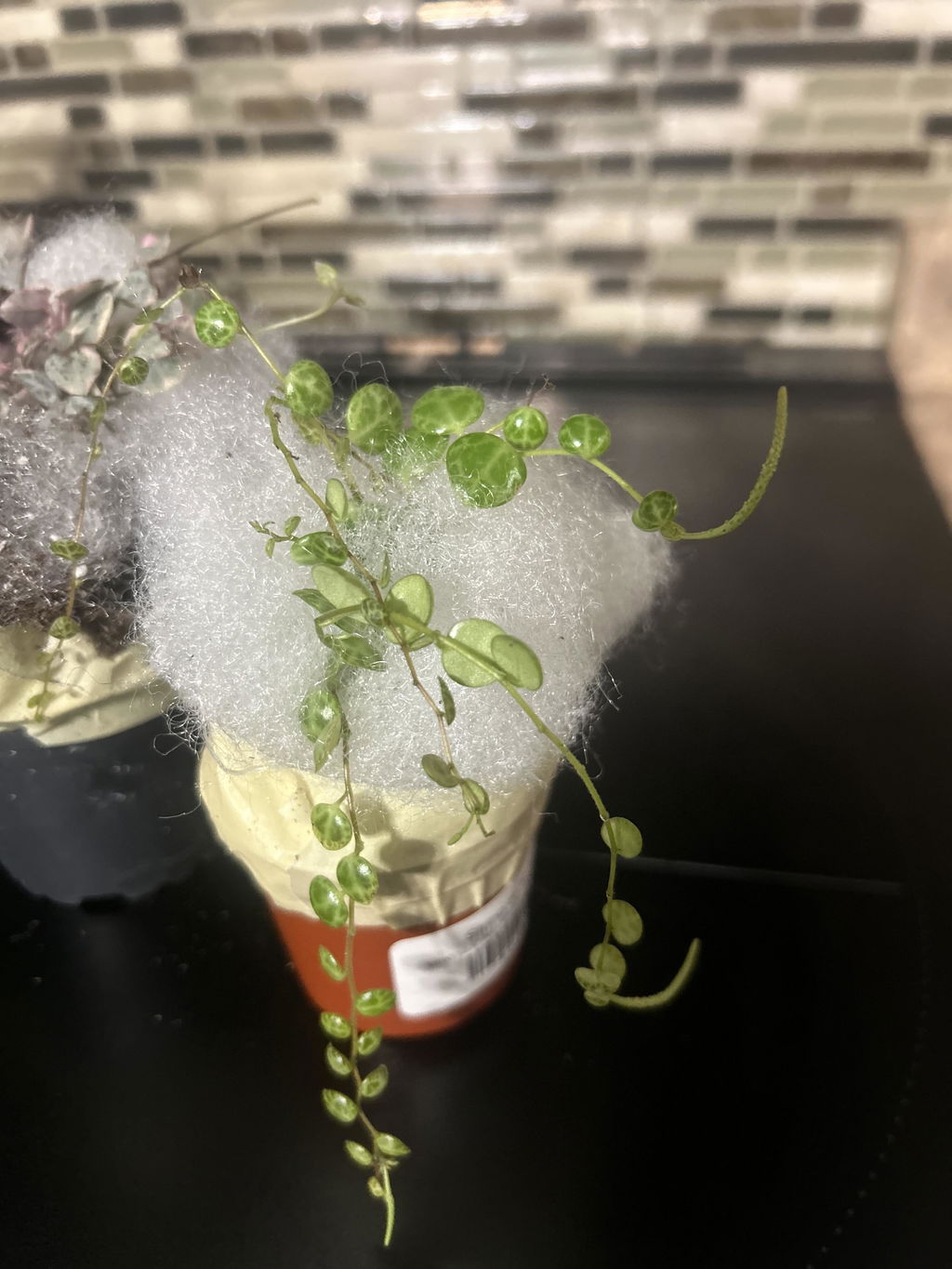
I received my string of turtle today, though I ordered a small one most of the leaves look healthy and happy I kind of wish it had a few more strands but I’m going to work hard to make sure it’s happy and healthy! For winter protection they wrapped it in cotton I’m super happy with all my plants so far!
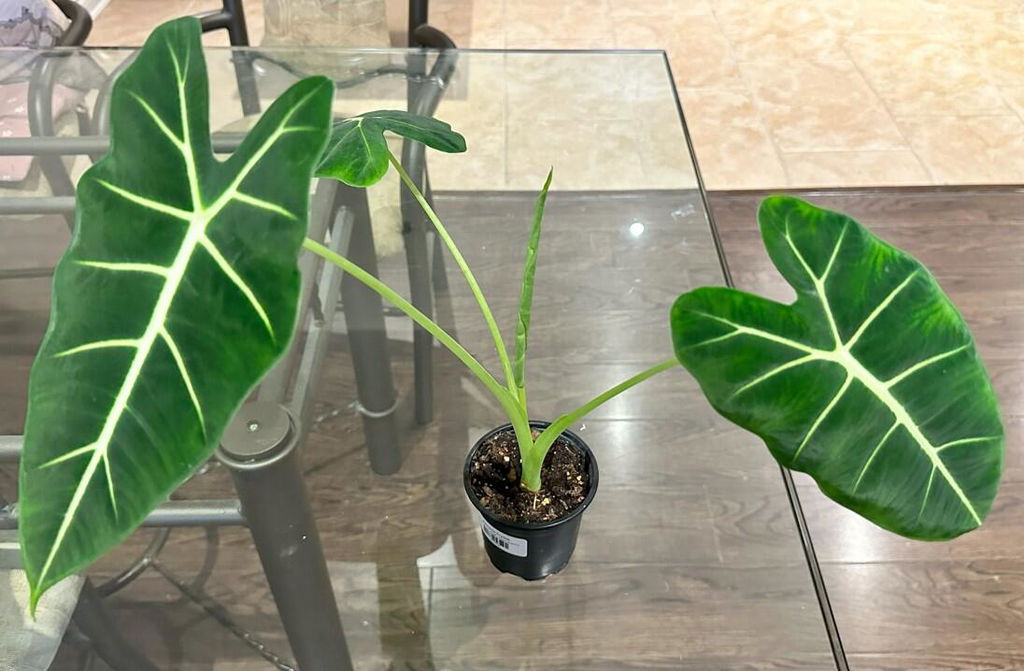
Very health roots and beautiful leaves, with new leaf coming out. Love this plant!
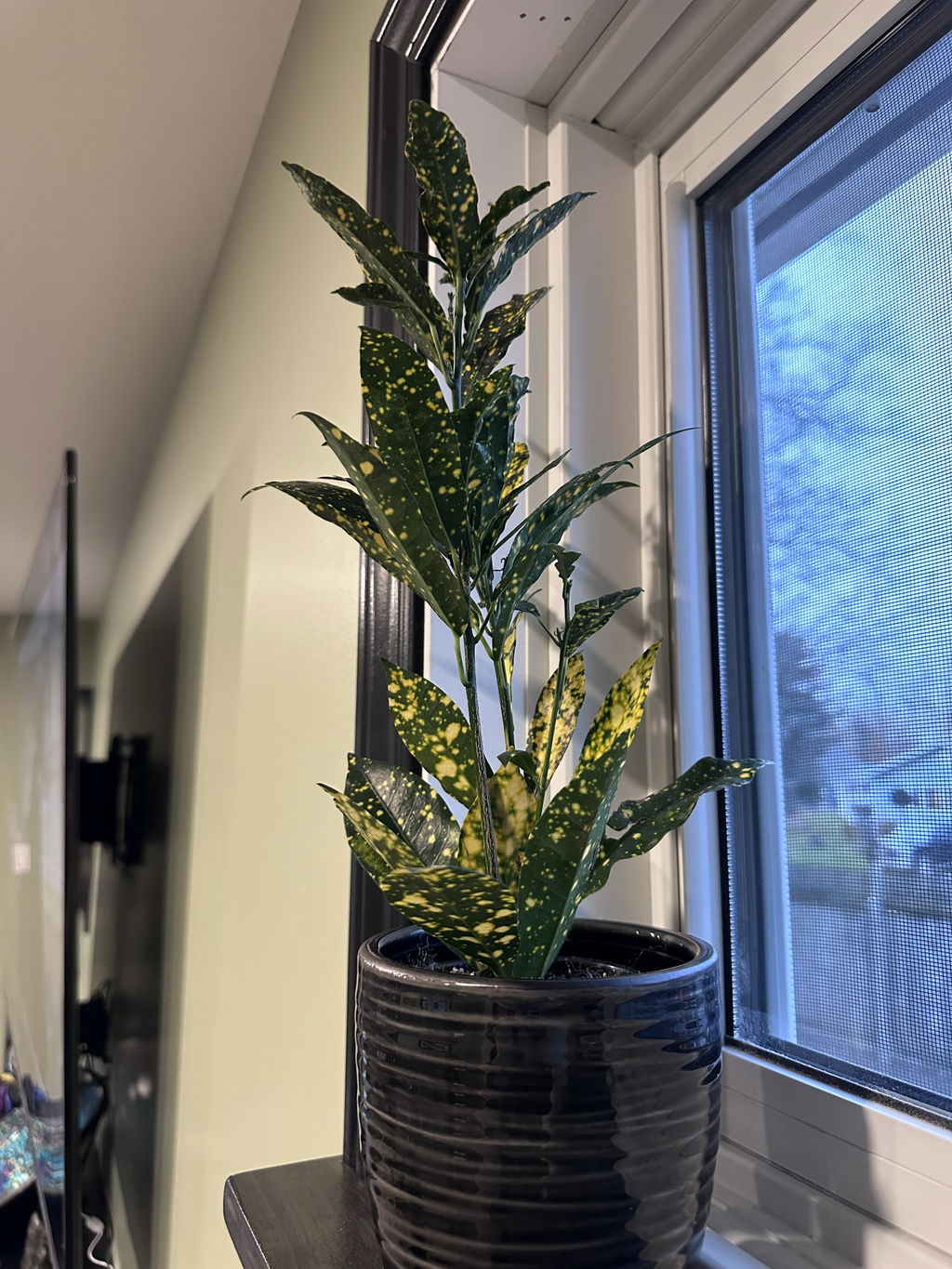
Absolutely love my plants! It was my first time ordering from this company and they did not disappoint. It arrived in perfect condition, carefully wrapped and protected. Will definitely be buying from them again!
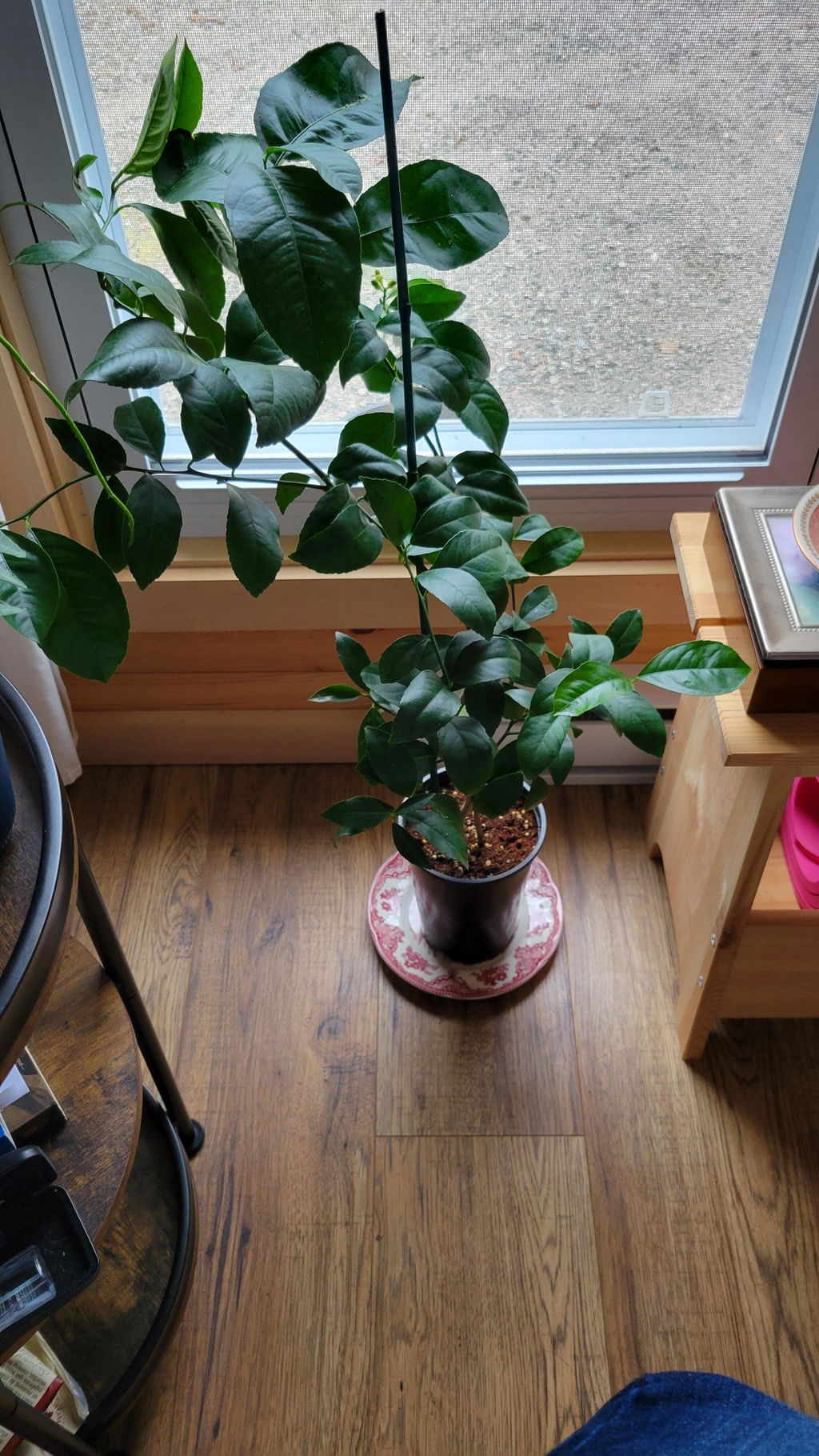
You then have obviously ordered from MyGreenScape!! This BEAUTIFUL, bigger then I realized plant is a welcome addition to a very sad window.
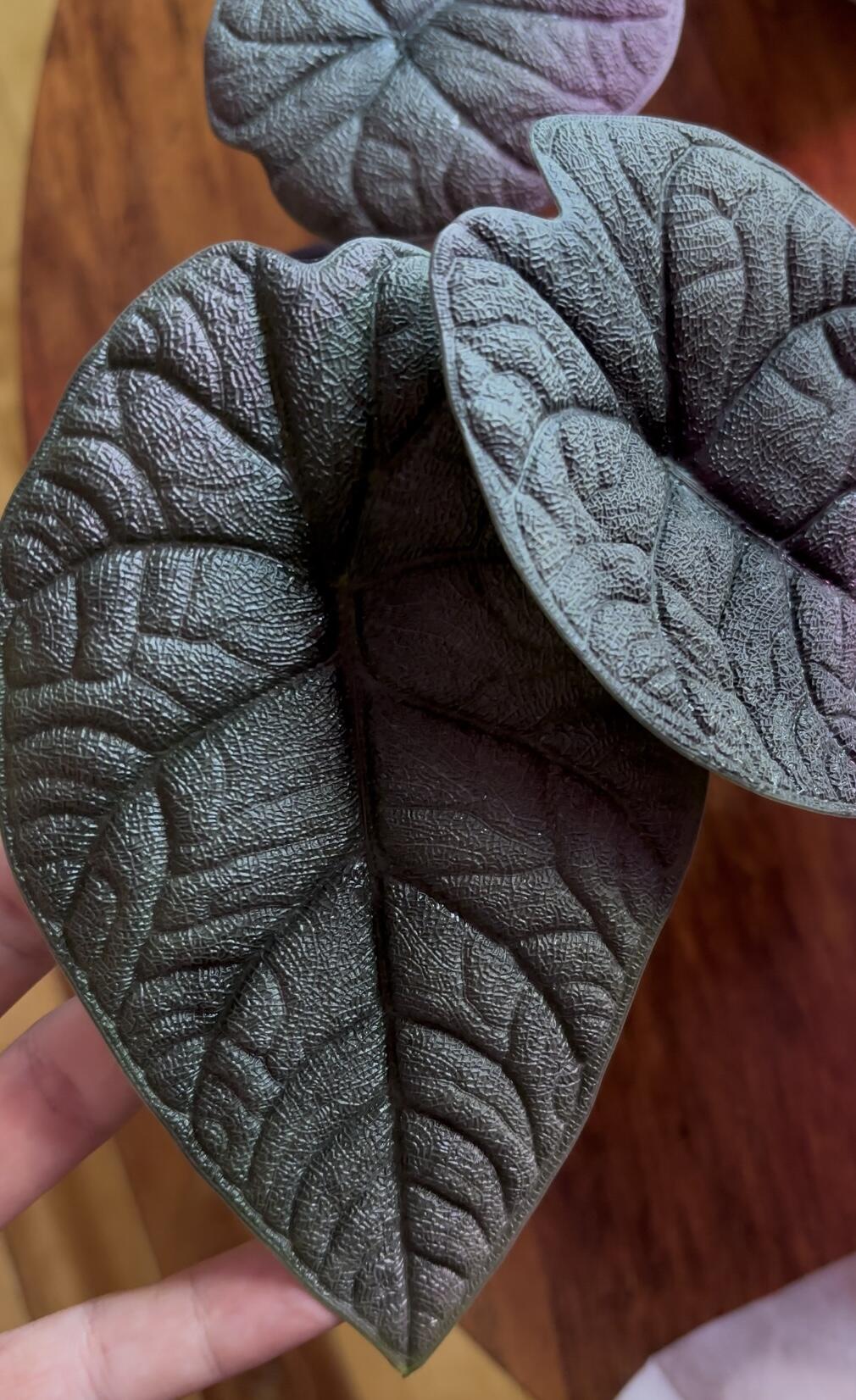
Parfaite 🖤
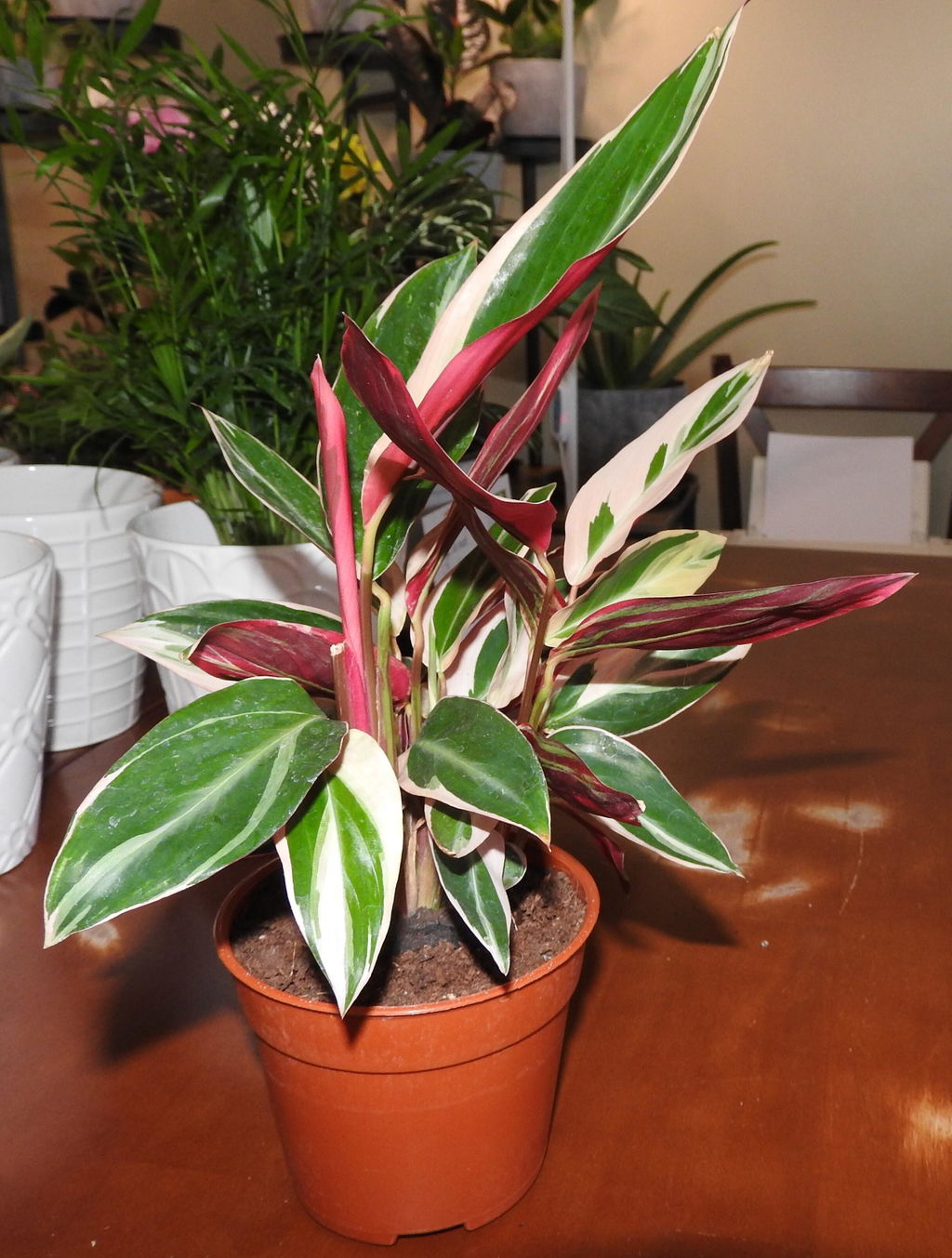
The Stromanthe Triostar was the last plant I unwrapped from my second order from mygreenscape.ca. I gasped when I saw this beautiful plant with its long leaves of dark and light pink and green. The underside of the leaves are deep pink. And it has some stripes, especially underneath. She is very healthy and has a few new leaves unfurling. All the plants were packaged up very well. Thanks so much!
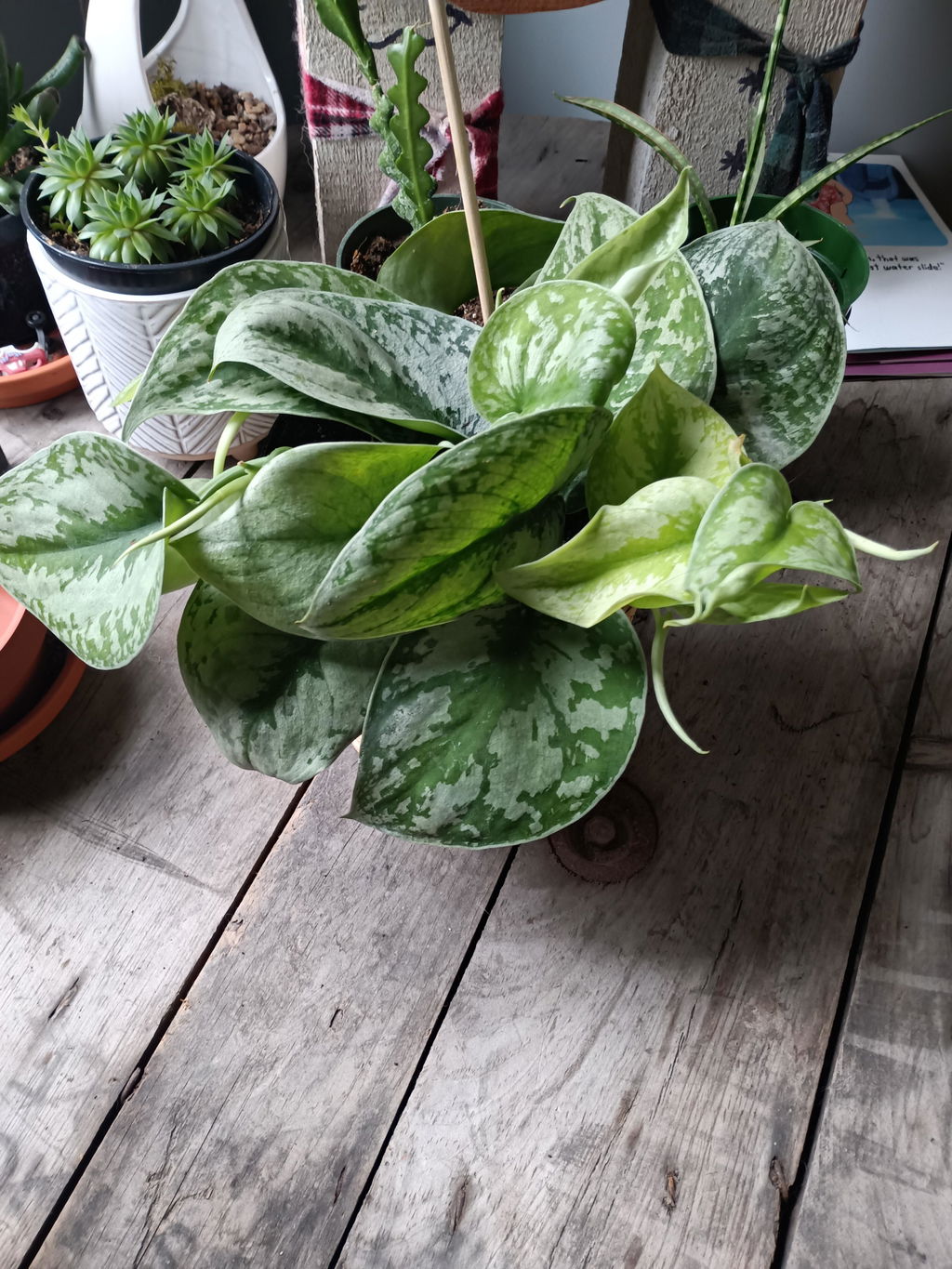
Such a pretty plant with big ol' leaves and tons of new growth coming in. So happy with it!
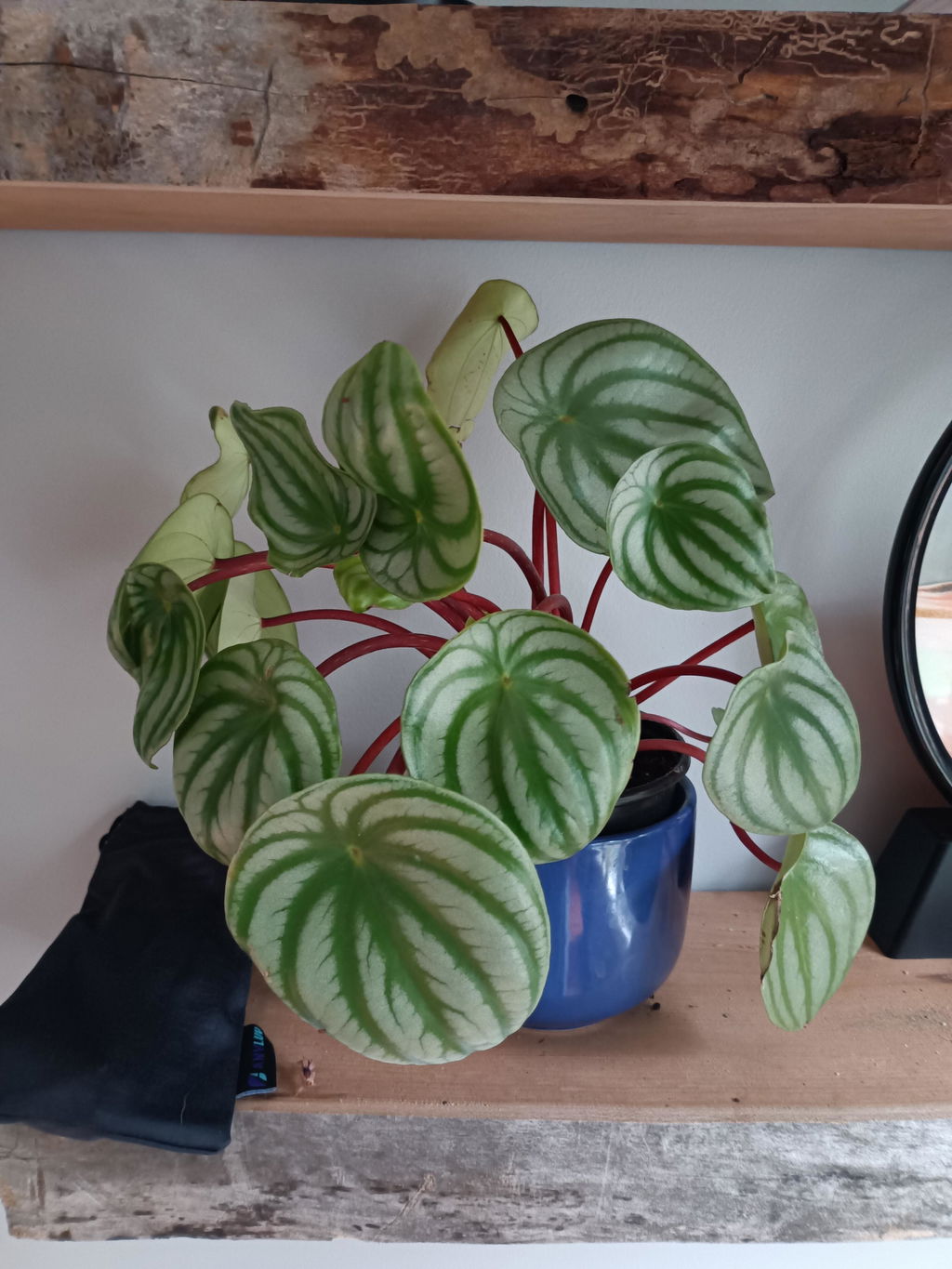
My order arrived quickly and all my plants were in great shape. I love this little plant, it arrived much fuller than I expected for the price.
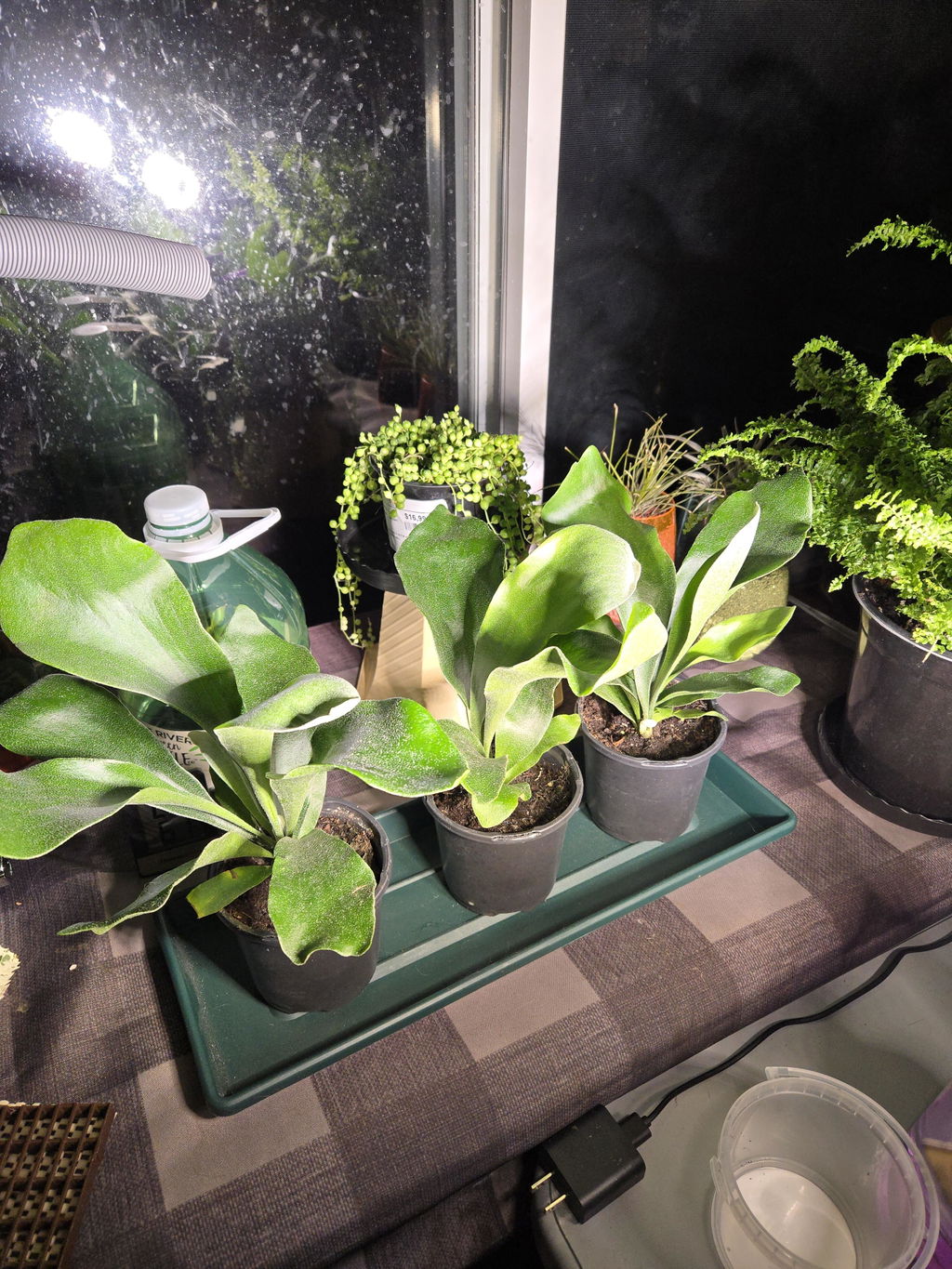
Just received my 3 plants, excellent condition, verry satisfied
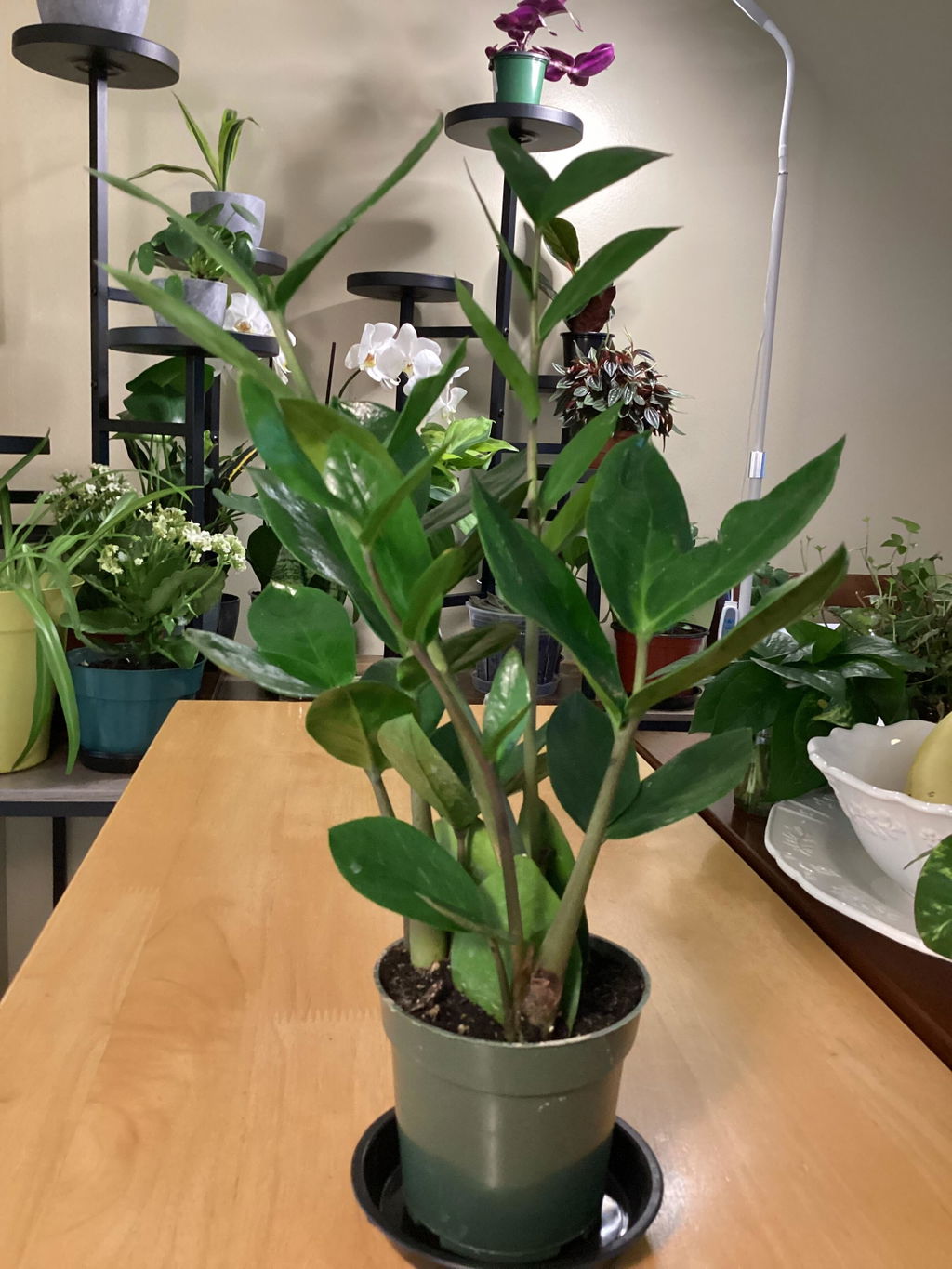
I'm so happy to have received this ZZ plant. Originally I ordered four plants, then after looking at my order I realized 2 of the same plant was in my cart. So I contacted Mygreenscape.ca and it was just in time as the shipment hadn't gone out yet. So I was advised I could pick another plant so that is how I became a plant parent for my ZZ :-) I'm grateful for the kindness I received -Thank you Imtiaz!
This is a very healthy plant. It's tall with interesting and shiny leaves. So nice to have this plant. Thanks Mygreenscape.ca
p.s. I want to purchase the ZZ Raven with my next order.