
A Comprehensive Pickle Plant Care Guide for the Best Growth
| Back to Library |
If your pickle plant appears softer and mushier than a healthy succulent plant, the reason is overwatering. Just like this Reddit user, plant owners struggle with watering schedules, resulting in poor growth of their plants.
If you face similar issues with your pickle plant, we’ve got your back. In this care guide, you will learn about all the basics like watering, soil, temperature, and fertilization needs of Pickle plants. Plus, I will guide you through the advanced care guide, such as pruning, propagation, and repotting.
Let’s start with a quick overview of the Pickle plant care.
Pickle Plant Snippet
- Watering: Water only when the top 1-2 inches of soil are dry; every 2-3 weeks in summer, 4 weeks in winter, using the soak-and-dry method
- Light & Temperature: 4-6 hours of bright, indirect sunlight daily; maintain 60-85°F (15-29°C) in low to moderate humidity
- Soil & Fertilizer: Well-draining cactus/succulent mix with perlite; fertilize monthly at half-strength during spring and fall only
- Common Issues: Root rot from overwatering, leggy growth from insufficient light, and pest infestations (mealybugs, aphids)
-
Quick Facts about Plant: It is non-toxic to pets, grows well in USDA zones 9-11, and has a lifespan of 3-5 years

Quick Facts About Pickle Plant Care:
The following table presents a summary of the Pickle plant and its care requirements;
|
Feature |
Details |
|
Common Name |
Pickle Plant |
|
Scientific Name |
Delosperma echinatum |
|
Plant Type |
Succulent perennial |
|
Origin |
Eastern Cape, South Africa |
|
Light Requirement |
Bright, indirect sunlight |
|
Watering Needs |
Low (allow soil to dry between waterings) |
|
Soil Type |
Well-draining cactus or succulent mix |
|
Temperature Range |
65–80°F (18–27°C) |
|
Humidity Preference |
Low to moderate |
|
Fertilizing Frequency |
Once a month during the growing season |
|
Lifespan |
Up to 3 to 5 years |
|
Indoor/ Outdoor |
Both |
|
USDA Hardiness Zones |
9-11 |
|
Toxicity |
Non-toxic to pets and humans |
What are the Basic Care Requirements of Pickle Plant?
The basic care requirements of the Pickle plant require adequate watering, light, temperature, and humidity. Let’s start with light requirements for the Pickle plant.
1. Ideal Light Requirements for Pickle Plant
The ideal light requirements for the Pickle plant are bright, indirect sunlight. It can also tolerate some direct sunlight from an east- or south-facing window.
An exposure of 4 to 6 hours per day fulfills the Pickle plant sunlight requirements. Remember, an insufficient light leads to stretching and etiolation, and intense direct sunlight in the afternoon might scorch the leaves.
Don't forget to read the general plant light requirements to learn about the plant’s lighting needs in detail. 
2. Ideal Temperature and Humidity Conditions for Pickle Plant
The ideal temperature range for the Pickle plant is 60°F to 85°F (15°C to 29°C). Bring your plant indoors when the temperature drops below 50°F (13°C) to avoid stress and dormancy. It dislikes frost and can tolerate temperatures up to 90°F (32°C) in partial shade.
Humidity Requirements for Pickle Plant
The ideal humidity for the Pickle plant is low to moderate. High humidity levels can lead to root rot and fungal diseases due to excessive moisture buildup, so good circulation is essential. Use a moisture meter to monitor humidity levels.
3. Ideal Watering Needs for Pickle Plant
Water your pickle plant only when the top 1 to 2 inches of the soil are dry. To check, insert your finger into the soil up to 1-2 inches, and if the soil feels dry, it is time to water.
In summer, it ideally takes 2-3 weeks for the topsoil to dry, and in winter, the span increases to up to 4 weeks.
How to Water Pickle Plant?
Follow the “soak and dry” method to water the Pickle plant. For this method, water the plant until it starts draining out of the bottom of the pot. Remove the remaining water and don’t soak it again until the top layer is completely drained.
4. Soil Requirements for Pickle Plant
A well-draining soil, such as pre-made succulent potting mix or cactus soil, is ideal for the Pickle plant. You can also customize a perfect soil by mixing an Indoor plant potting mix with perlite, pumice, coarse sand, or vermiculite to improve drainage and aeration of the pickle plant.  Avoid using peat-heavy mixes and heavy garden soils, as they can retain excessive moisture and may lead to root rot and fungal diseases.
Feeding and Fertilization of the Pickle Plant
Feed the Pickle plant every 4 to 6 weeks, with a diluted cactus and succulent fertilizer, such as Bios Natural Plant Fertilizer. Fertilization is ideal during the growth season.
Use a half-strength diluted fertilizer, or consider a quarter-strength water-soluble fertilizer to prevent fertilizer burn and promote growth. In winter, the Pickle plant becomes dormant and does not require fertilization.
How to Repot, Prune, and Propagate the Pickle Plant?
In this section, we’ll talk about the ways of repotting, pruning, and propagation methods to care for the Pickle plant. Let’s start with repotting.
1. Repotting the Pickle Plant
The ideal span for repotting the Pickle plant is every 2-3 years. You can also repot if the roots are peaking out of the drainage holes. The following steps will guide you through the repotting method:
Step 1: Choose the Right Pot and Soil
Choose a pot that is 1-2 inches wider than the previous one. Choose a terracotta pot for ideal growth due to its porous texture. Choose a well-draining potting mix, designed explicitly for cacti or succulents. Don’t forget to read the guide on how to select the right plant pot size.
Step 2: Remove the Plant
Loosen the plant gently from the sides and the base. Once the plant sides are visibly loosened, tilt the pot to the side to extract the plant.
Step 3: Loosen the Roots
If the roots are tangled, gently loosen them up with your fingers. If your plant shows any damage or dead roots, prune it before repotting.
Step 4: Plant in a New Pot
Start by adding a base layer of soil to the bottom of the new terracotta or ceramic pot. Place your plant in the center of the pot and add a prepared soil mix from the sides.

2. Pruning the Pickle Plant
The ideal time for pruning is early summer or spring, which is the growth phase of the Pickle plant. In winter, pruning is not recommended because the Pickle plant is resilient to stress in the dormant phase.
Steps to Prune the Pickle Plant
Follow the given steps to prune your plant effectively:
- Step 1: Identify the damaged or dead stems on the plant. Give special preferences to the yellow parts.
- Step 2: From the highlighted part, make a clean cut at the base of the stem and snip it. Be gentle, as you may not hurt the other parts.
- Step 3: Now let the cut dry out for at least 2 days. A callus will form at the cut of the plant, which protects it from root rot.
3. Pickle Plant Propagation Methods
You can propagate the Pickle plant by stem cutting and offset separating methods. Stem cutting is preferred because it is a faster and reliable method for plant stock.
Here is the step-by-step guide for you.
Step 1: Make the Cut
Select a healthy stem that is at least 3-4 inches long and cut from its base to separate it from the parent plant. Allow the callus to form at the cut end of the stem by drying it for at least 2 days. It prevents root rot.

Step 2: Plant in a Pot
Plant the stem cutting in a pot filled with a well-draining soil mix and mist often. Place the pot in bright, indirect sunlight. Within a span of 2 to 3 weeks, the roots will begin to develop.

Common Problems and Solutions of Pickle Plant
Overwatering, pests, and insufficient light cause root rot, etiolation, and other problems. However, the good news is that these issues can be resolved if you recognize the symptoms.
The following table will help you identify and solve the common problems of the Pickle plant.
|
Problem |
Symptoms |
Cause |
Solution |
|
Root Rot |
Mushy stems, yellow leaves, foul odor |
Overwatering or poor drainage |
Trim rotted roots, repot in dry, well-draining all-purpose potting mix, and follow the soak-and-dry watering method. |
|
Etiolation (Leggy Growth) |
Stretched, thin stems, sparse leaves |
Insufficient light |
Move the plant to a brighter spot with 4 to 6 hours of sunlight. Rotate weekly for even light exposure. |
|
Pests (Mealybugs, Aphids, Spider Mites) |
Common pests like White cottony spots, sticky residue, and slow growth |
Pest infestation |
Wipe stems with neem oil or mild soap solution. Isolate infected plants to prevent spread. Use Bios Plant Probiotics to Kill Disease. |
|
Wrinkled or Shriveling Stems |
Soft, deflated, or wrinkled stems |
Underwatering or long drought |
Water deeply and allow the soil to absorb moisture. Resume regular watering schedule once stems plump up. |
|
Leaf Drop or Discoloration |
Yellowing or falling leaves |
Sudden temperature changes or over-fertilizing |
Maintain a stable indoor temperature and fertilize lightly during the growing season only. |
FAQs
Q1: Why are my Pickle plant leaves mushy?
Ans: Poor drainage and overwatering cause the leaves of the Pickle plant to become mushy. Use a well-draining pot and water your plant only when the top 1-2 inches of the soil are dry. You can check by inserting your finger from the top of the soil.
Q2: Why isn’t my Pickle plant flowering?
Ans: Insufficient light or excessive fertilizer could be the possible reasons behind no flowering. Place your plant in a bright, indirect light for optimal flowering and fertilize it every 4 to 6 weeks during the growing season.
Q3: How much sun is too much for the Pickle plant?
Ans: Place your Pickle plant in bright, indirect sunlight. It can tolerate some direct sunlight from an east- or south-facing window. An exposure of 4 to 6 hours per day fulfills the Pickle plant sunlight requirements.
Q4: Are the pickle plant pets friendly?
Ans: Yes, Pickle plants are non-toxic to pets. You should still keep your pets away from the plant.
Q5: Can I grow my Pickle plant outdoors?
Ans: Yes, Pickle plants can grow outdoors in USDA hardiness zones 9-11. In these zones, the winters are mild. Move it indoors if the temperature drops below 50°F (13°C).
Conclusion
Pickle plant care requires bright, indirect sunlight with a temperature range of 60°F to 85°F (15°C to 29°C). It flourishes in low to moderate humidity. Overwatering is the most common issue with the Pickle plant, so water only when the top 1-2 inches of the soil are dry.
A succulent or cactus soil mix is ideal for the pickle plant. Repot every 2-3 years, followed by pruning. Overwatering, pests, and insufficient light can cause root rot, etiolation, and other problems. These issues can be resolved with proper watering, bright sunlight, and effective pest control. If you’re looking for a pickle plant, don’t forget to check out MyGreenScape.
|
|
The Positive Impact of Plants
-
Plants and Healing
Working with plants soothes the mind. It feels calming and healing, offering a peaceful break from daily life.
-
Plants for Recovery
Being around plants can speed up healing from sickness, making you feel better quicker in a natural way.
-
Plants and Work
Plants in your space may make your work better and faster, enhancing focus and creativity during tasks.
LETTING CUSTOMERS SPEAK FOR US!
Shop by Feature
-

Pet Friendly Plants
Not all houseplants are safe for pets, but you can still enjoy...
-

Air Purifying Plants
Improve indoor air quality naturally with our quality air-purifying plants. These plants...
-

Easy Grower Plants
Premium easy grower houseplants shipped fresh across the GTA. Perfect for beginners....
-

Low Light Indoor Plants
Want to bring life to spaces that don’t get enough sunlight? Explore...


FAQs for Plant Delivery in Ontario & Quebec
What types of house plants do you offer for delivery.
We offer a wide variety of houseplants for delivery. Here are some of the popular options: Aglaonema, Alocasia, Calathea, Hoya, Monstera, Palm, Peperomia, Philodendron, Pothos, Sansevieria Snake, Syngonium, Tradescantia.
What is the lifetime support?
All plants purchased from our store or through our workshops come with lifetime support. This means that whenever you have questions or concerns about your plant, we're here to help. Whether you're unsure about your plant's health or need advice, we can assist in identifying problems, answering your questions, and potentially saving your plant. Feel free to reach out to us on Instagram @mygreenscapeto or via email at support@mygreenscape.ca.
Where do MyGreenScape plants come from?
Our plants embark on a journey from various greenhouses across Canada. We prioritize short delivery routes to ensure your plant arrives happy, healthy, and full of vitality.
Do I have to repot my plants once they arrive?
Absolutely not! When your plant arrives, give it time to settle into its new home. Place it in the desired spot, and let it acclimate for about two weeks.
-

UNBEATABLE QUALITY
We source directly from top-rated growers, so we can sell the finest quality plants at the very best prices.
-

FREE DELIVERY
On qualifying orders,
typically arriving within 72 hours in the GTA
and 2–4 business days elsewhere.
-

LIFETIME PLANT SUPPORT
On all our plants purchased. If you have any questions or concerns don't hesitate to contact us!
-

HAPPY PLANT GUARANTEE
Your happiness is our top priority, which is why we offer a unbeatable 30-day satisfaction guarantee.


Favorite in our plant shop
-
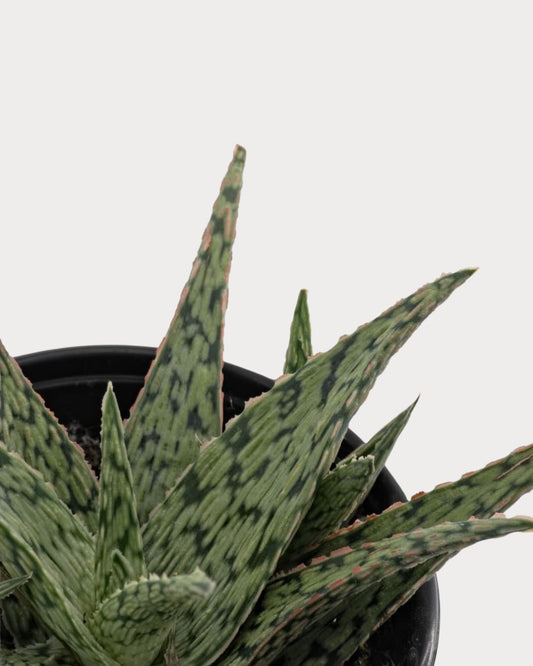
Aloe Pink Blush
Regular price $20Regular priceUnit price per -

 Join Waitlist
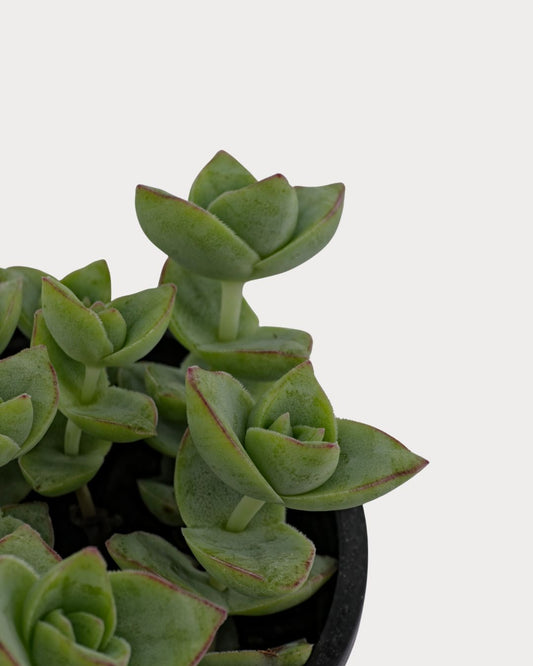
Jade Necklace (Crassula marnieriana)
Regular price $12Regular priceUnit price per -
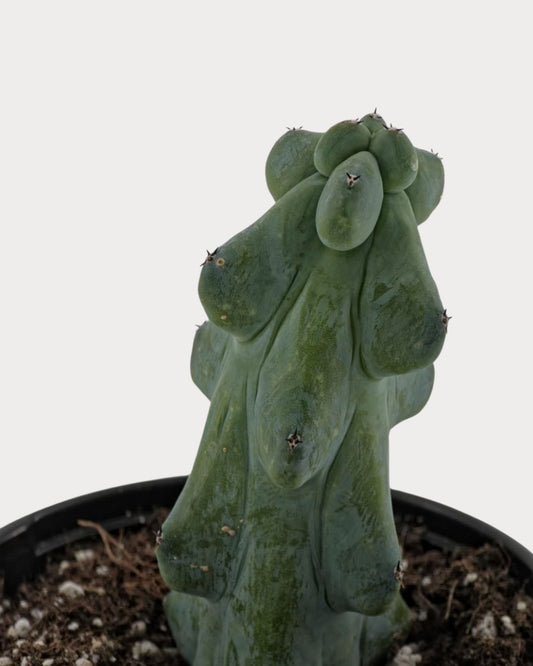
Boobie Cactus (Fukurokuryuzinboku)
Regular price $35Regular priceUnit price per -
Hoya Cumingiana
Regular price $15Regular priceUnit price per -
Ficus Elastica Burgundy
Regular price From $16Regular priceUnit price per -
Kalanchoe Thyrsiflora Flapjack
Regular price $18Regular priceUnit price per -
Ivy Marengo
Regular price From $10Regular priceUnit price per -

 Join Waitlist
Lucky Bamboo Stem
Regular price $10Regular priceUnit price per -
Dracaena Fragrans Massangeana
Regular price $40Regular priceUnit price per -
Dieffenbachia Tiki
Regular price $15Regular priceUnit price per -
Anthurium Hookeri
Regular price $45Regular priceUnit price per -
Monstera Bulbasaur
Regular price $150Regular priceUnit price per












Learn from Blog's
View all-

Snake Plant vs ZZ Plant: Two Plants Even Plant ...
People kill both of these plants by watering them normally. The ZZ stores water in underground rhizomes that look like potatoes. The snake plant stores it in its leaves. Overwater...
Snake Plant vs ZZ Plant: Two Plants Even Plant ...
People kill both of these plants by watering them normally. The ZZ stores water in underground rhizomes that look like potatoes. The snake plant stores it in its leaves. Overwater...
-

5 Easy Indoor Plants You Won't Kill in a Canadi...
Beginner plants dying in Canadian homes has nothing to do with light or neglect. It's water. Too much of it, especially from November to March when the soil takes twice...
5 Easy Indoor Plants You Won't Kill in a Canadi...
Beginner plants dying in Canadian homes has nothing to do with light or neglect. It's water. Too much of it, especially from November to March when the soil takes twice...


MyGreenScape is your go-to online shop for indoor plants in cities Ontario or Quebec, including Toronto, Montreal, and many more. Our mission is to add joy to your home, one leaf at a time. Explore our range of beautiful, air-cleaning plants from the comfort of your home. You can find beautiful indoor plants, pots for plants, garden tools, and hanging basket plants all in one spot. Our mission is to add joy to your home, one leaf at a time.
Buying plants online with us means no more carrying heavy pots or figuring out how to get big plants home. We deliver straight from the gardener to you, with eco-friendly packaging, across Ontario and Quebec. Expect your new green friends within 2-7 days.
Why choose MyGreenScape? Here’s why:
- Lifetime Support: We’re here for you always. Get all the help you need for your plants to flourish.
- 30-Day Happy Plant Guarantee: Not happy with your plant? Tell us within 30 days, and we’ll fix it.
- Easy Delivery: Fast, direct to your doorstep in Ontario or Quebec.
Hear from a happy customer, Sarah T.: "Buying plants was never easier. Quick, simple, and with great support from MyGreenScape."
Ready for easy, stress-free plant shopping? Visit us now and make your home greener. Join MyGreenScape for a hassle-free way to bring nature inside.