


Couldn't load pickup availability
Applied automatically at checkout. Valid 90 days.
Read more
About This Plant
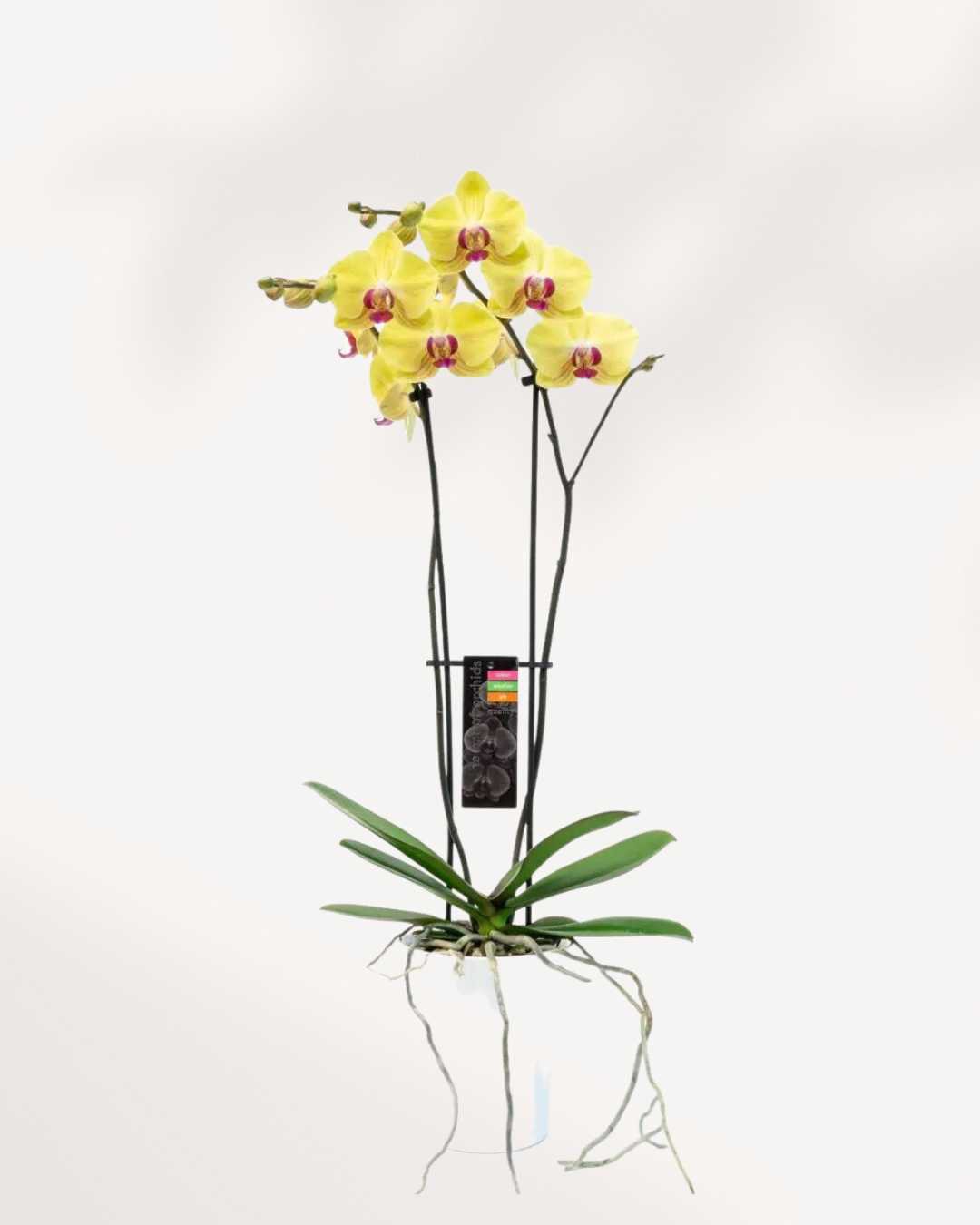
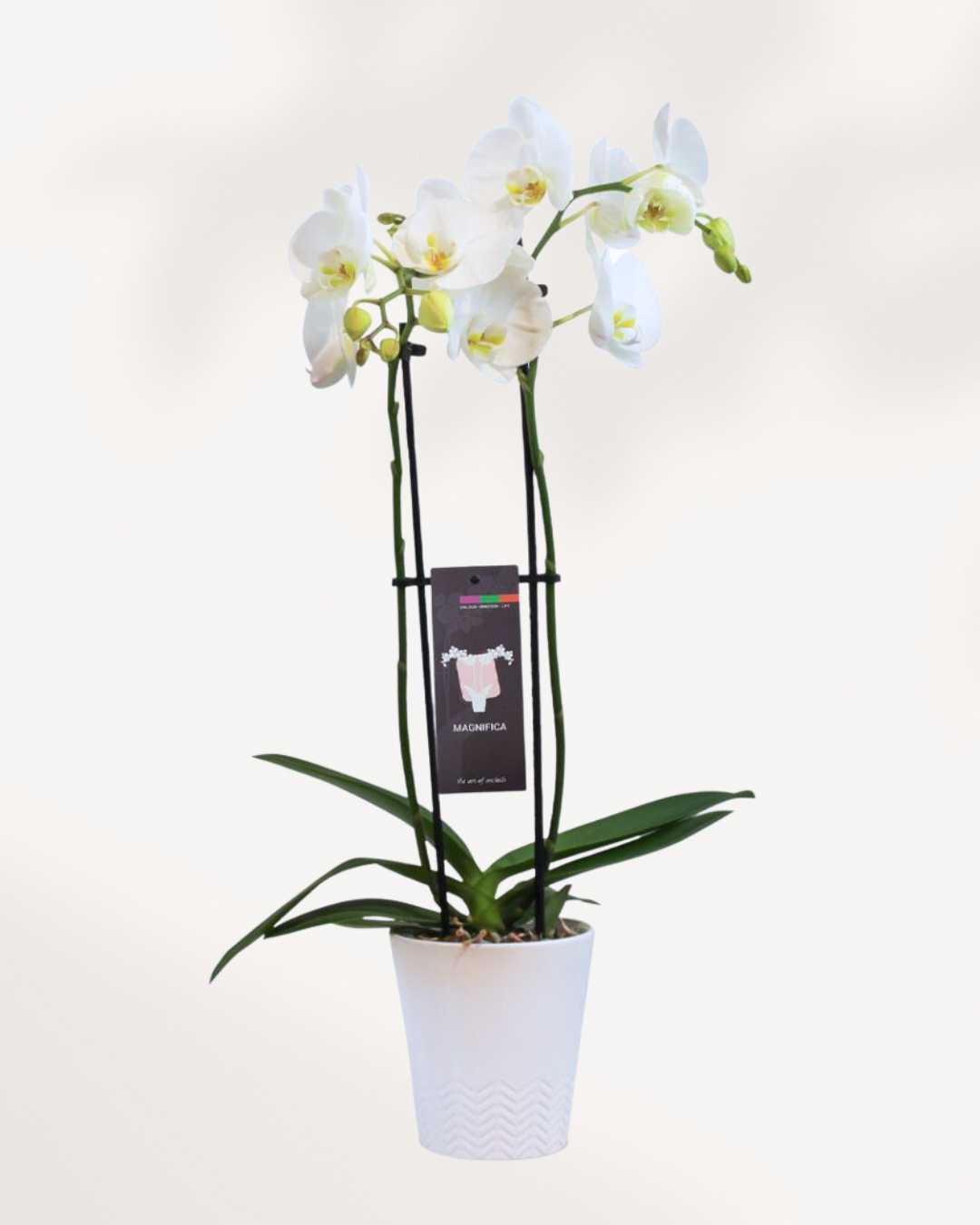
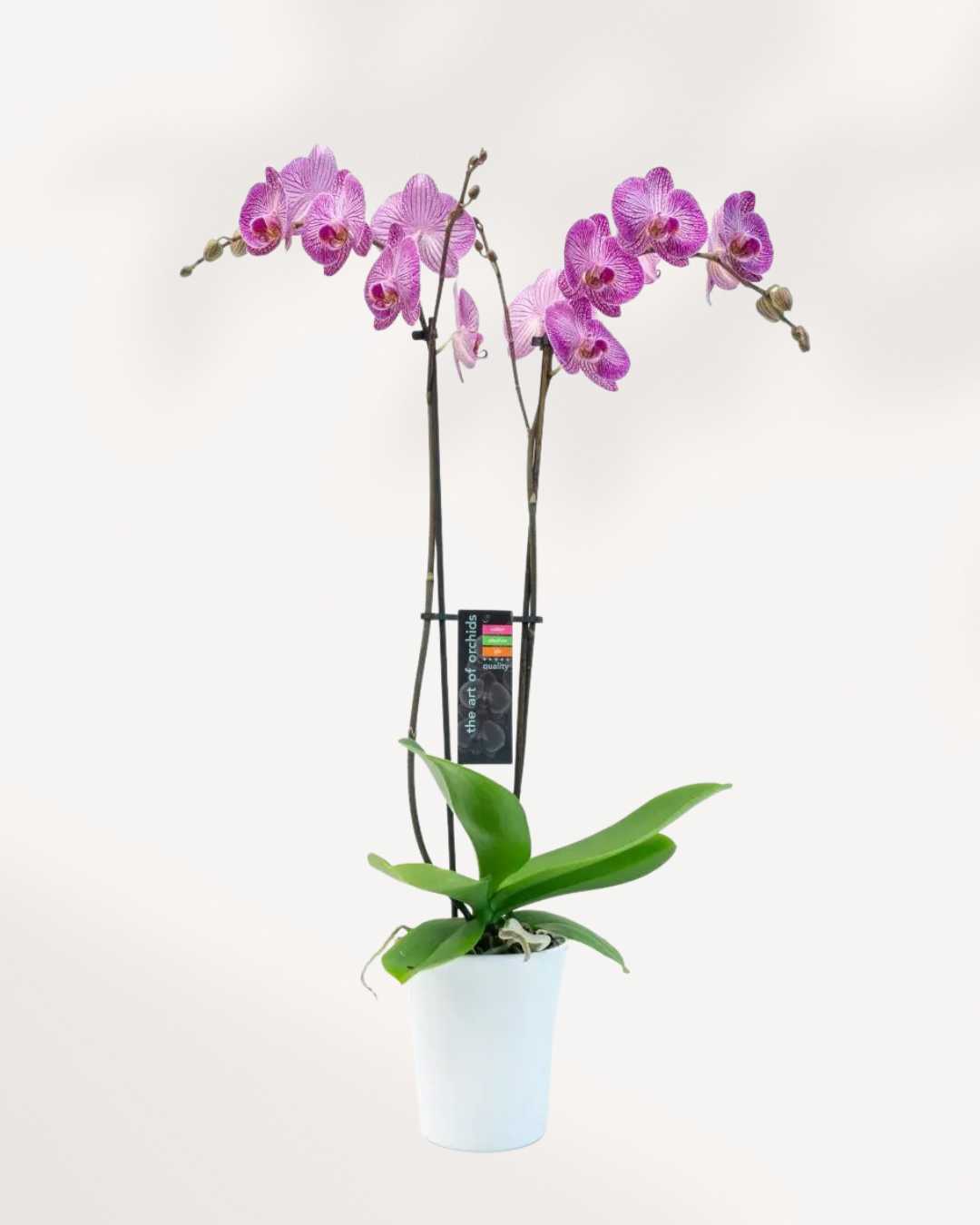
Magnifica Orchid is a Phalaenopsis hybrid and originates in the tropical forests of Southeast Asia. Each plant produces one or two arching spikes with 15 or more open flowers in colours that include pink, peach, purple, white, and yellow, sometimes with striped or speckled veining.
Other Plants You Might Like
Anthurium Red.
Peace Lily.
Bromeliad.
Common Questions
How do I get my Magnifica Orchid to bloom again after the flowers drop?
Once the flowers fall, cut the spike just above the second node from the base. Place the plant near a bright window where it experiences a slight temperature drop at night, around 15 to 17 degrees Celsius. This cool night period, which happens naturally near a Canadian window in September and October, signals the plant to produce a new spike. Resume regular watering and a diluted orchid fertilizer every two weeks during the growing season.
How often should I water a Phalaenopsis orchid?
Water roughly once a week in spring and summer, and every ten to fourteen days in winter. The roots should dry out slightly between waterings. A simple test: lift the pot. When it feels very light, it is time to water. Never let the roots sit in water. Our indoor plant watering guide walks through exactly how to check moisture before watering.
Is the Magnifica Orchid safe for cats and dogs?
Yes. Phalaenopsis orchids are confirmed non-toxic to cats and dogs by the ASPCA. The Magnifica Orchid is safe for homes with pets and small children.
Why are the roots turning silver or grey?
Silver or grey roots mean the plant is thirsty. Phalaenopsis roots turn bright green when wet and return to silver or grey as they dry out. This is completely normal and helps you judge when to water. If the roots are brown and mushy rather than silver and firm, that is root rot from overwatering.
Can it survive a Canadian winter near a window?
Yes, but keep it away from cold glass. Windows in Ontario and Quebec homes can drop close to freezing right at the pane in January and February. Move the orchid a few centimetres back from the glass on the coldest nights, or place a piece of cardboard between the plant and the cold window overnight. Read our tips on keeping plants alive in winter for more on managing cold windows.
How to Take Care of Magnifica Orchid
Good to Know
Sun: Indirect
Sun: Indirect
Light: Bright indirect, east or south-facing
Light: Bright indirect, east or south-facing
Water: Weekly in summer, every 10-14 days in winter
Water: Weekly in summer, every 10-14 days in winter
Humidity: Moderate to high
Humidity: Moderate to high
Pet Friendly: Yes
Pet Friendly: Yes
Pro Tip
Pro Tip
What To Expect
Shipping and Delivery Details
Shipping and Delivery Details
Choose local GTA delivery, free Richmond Hill pickup, or shipping across Canada. Pick your delivery or pickup date at checkout, we'll have it ready and fresh for you. See full shipping and delivery details.
30-Day Happy Plant Guarantee
30-Day Happy Plant Guarantee
If your plant arrives damaged or isn't healthy, contact us within 30 days with a photo. We'll send a replacement or a full refund, and we cover return shipping.
View our complete guarantee policy
Frequently Asked Questions
Frequently Asked Questions
Certainly! If you're pondering about ordering plants online, you're not alone. We've compiled the most frequently asked questions. Check out our FAQ section here for quick answers! Happy planting!
Plant and Pot Size Guide
Plant and Pot Size Guide
4" Pot (Small): plant is approx. 6-10 inches tall. 6" Pot (Medium): approx. 12-18 inches tall. All plants come in a standard nursery pot. Decorative pots are sold separately.
Winter Shipping Protection
Winter Shipping Protection
Between November and March, you can add Winter Shipping Protection at checkout. It adds insulated packaging and heat packs to protect your plant from the cold in transit. Cold damage is only covered if it's added to your order.
You can add winter shipping protection at checkout.
Returns Policy
Returns Policy
If your plant arrives damaged, has pests, or starts to decline within 30 days, we'll send a replacement or a full refund, and we cover return shipping.
Change of mind, repotted or trimmed plants, and cold damage without Winter Shipping Protection aren't covered. See our full Return Policy

Plant care essentials
Everything you need to keep this plant thriving.


Hear From Happy Plant Parents.
Who have brought Mygreenscape plants into their homes.


