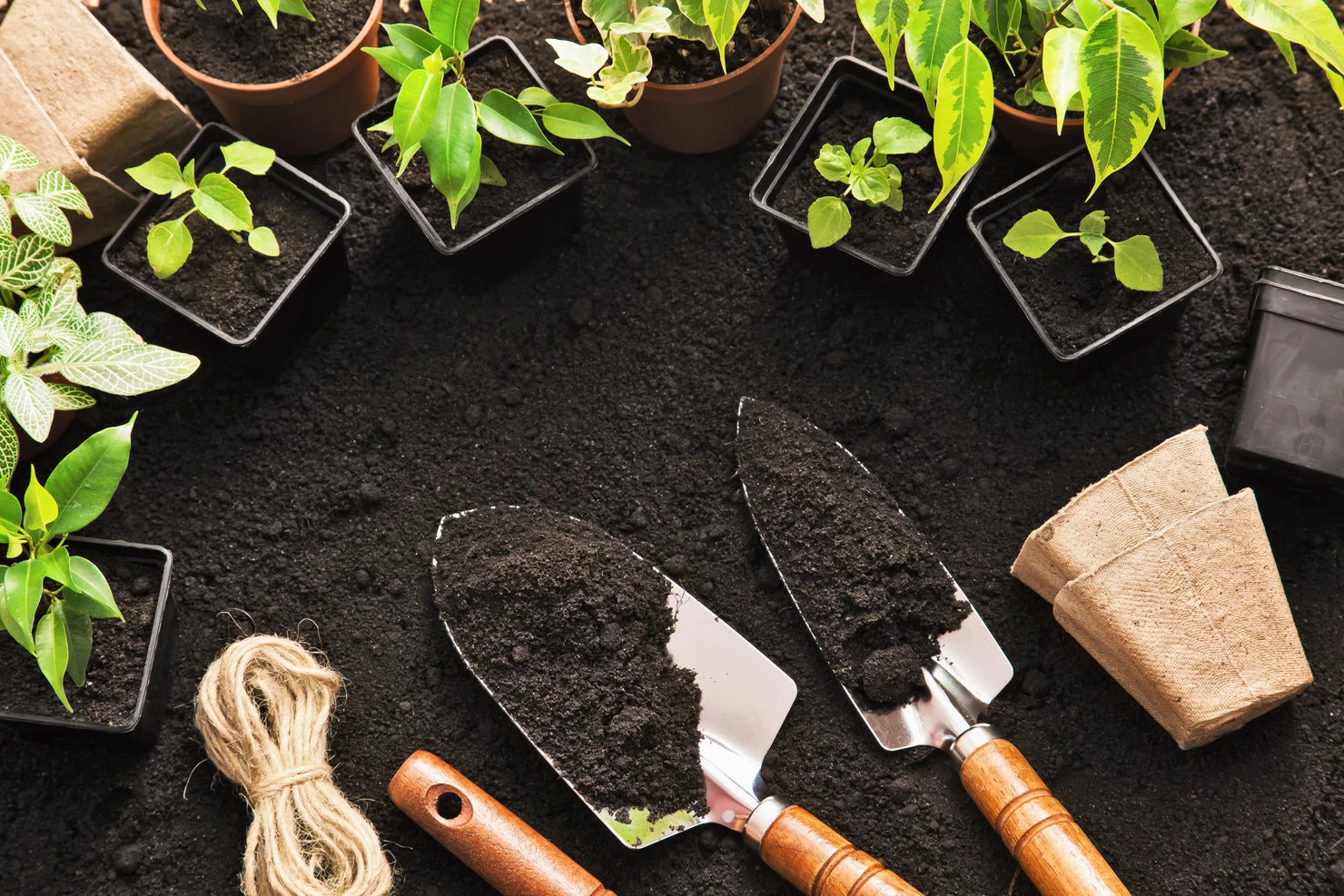




Tropical plants often struggle in dry air, cold weather, and low light. But with a few smart steps, you can grow banana plants, palms, and even Bird of Paradise, right in your home or on your patio.
This guide explains how to care for tropical plants all year, keep them healthy in winter, and fix common problems like yellow leaves or pests.
Best Outdoor Tropical Plants to Have in Your Garden
Tropical outdoor plants add vibrant colour, sumptuous texture and a vacation like atmosphere to gardens, deck areas and balconies. But no matter what size yard you work with, big or small, these tropical beauties can grow well in summers with proper care and seasonal planning on your part.
1- Full Sun Tropical Plant: Canna Lily
Type: Full Sun Outdoor Plant
Look for: Tall plant with broad banana like leaves and bold flowers in red, orange, or yellow.
What it does: Adds bright colour and height to garden beds or containers. Blooms from mid summer to early fall
Care Tips
- Light: Full sun (6–8 hours daily)
- Water: Keep soil moist but not soggy
- Fertilizer: Apply balanced fertilizer every 2–3 weeks during growing season
- Placement: Ideal for garden beds, patios, or large pots with rich, well drained soil
Buyer's Tip
For containers, choose dwarf varieties. For garden beds, tall types like ‘Pretoria’ add dramatic height.

2- Low-Maintenance Outdoor Tropical Plant: Castor Bean
Type: Fast-Growing Outdoor Plant (Use with Caution)
Look for: Large star shaped leaves and red seed pods; grows up to 10 feet in one season
What it does: Adds height and bold texture quickly great for screens or back borders
Care Tips
- Light: Full sun
- Water: Water regularly at first; becomes drought-tolerant later
- Fertilizer: Not needed unless soil is poor
- Placement: Use in outdoor beds for fast height
Safety Note
Castor Bean is highly toxic. Avoid planting near children or pets.
Buyer's Tip
Start from seeds in spring or buy seedlings early in the season.
3- Container Tropical Plant: Bird of paradise
Type: Container Tropical Plant for Warm Months
Look for: Upright plant with large banana like leaves and orange blue flowers shaped like a bird’s head
What it does: Works as a showpiece plant on patios or porches
Guide on How to Grow and Maintain a White Bird of Paradise Plant Indoors, Covering Light, Watering, Soil, Repotting, and Common Issues
Care Tips
- Light: Bright light or full sun
- Water: Let the top inch of soil dry out between watering
- Fertilizer: Feed monthly during spring and summer
- Placement: Use outdoors in summer, bring indoors in fall
Buyer's Tip
Choose mature plants if you want flowers sooner. Ensure roots aren't overcrowded in the pot.

4- Easy to Grow Tropical Plant: Banana Plant
Type: Easy to Grow Patio Plant
Look for: Large tropical plant with wide green leaves. Can produce small bananas in ideal conditions
What it does: Gives your patio or balcony a tropical resort vibe
Care Tips
- Light: Full sun or bright indirect light
- Water: Needs regular watering, especially in pots
- Fertilizer: Feed often with nitrogen-rich fertilizer
- Placement: Keep outdoors in pots during summer; bring indoors when nights drop below 10°C
Buyer's Tip
Dwarf types like ‘Musa Dwarf Cavendish’ are best for container growing.

How do I overwinter this banana plant?
byu/joe_devola inhouseplants
Top 4 Tropical Plants for Indoor Spaces
Indoor tropical plants have a rich texture and high coloring, and a sensual vacation mood to gardens, patios, and balconies. No matter whether you have a large back yard, or a tiny patch of land in the city, these tropical beauties can grow in the Canadian summers with proper attention and moderating the season.
Comprehensive guide to the easiest indoor plants that naturally purify the air featuring detailed care tips, toxin removal benefits, ideal placement suggestions, and maintenance routines for a healthier home.
1- Bright Light Indoor Tropical Plant: Fiddle Leaf Fig
Type: Bright Light Indoor Plant
Look for: Large, violin shaped green leaves growing on a single stem or multi branch base
What it does: Makes a bold statement in living rooms, entryways, or offices
Care Tips
- Light: Bright, indirect light (can handle some soft morning sun)
- Water: Water when the top 1–2 inches of soil feel dry
- Humidity: Prefers high humidity mist often or use a pebble tray
- Fertilizer: Use balanced liquid fertilizer every 4 weeks during growing season
- Placement: East- or south-facing windows are ideal
Buyer's Tip
Choose plants with upright, healthy leaves and strong central stems. Rotate weekly for even growth.
2- Low Maintenance Outdoor Tropical Plant: Snake Plant
Type: Low Maintenance Indoor Plant
Look for: Tall, upright leaves with green and yellow stripes (also called Mother-in-Law’s Tongue)
What it does: Adds structure to rooms and tolerates tough indoor conditions
Care Tips
- Light: Bright indirect light, but tolerates low light
- Water: Only water when soil is completely dry
- Humidity: Comfortable in dry air
- Fertilizer: Light feeding every 2–3 months
- Placement: Great for bedrooms, offices, or entryways
Pet Safety Note
Toxic if ingested. Keep out of reach of pets and children.
Air Purification Note
Once praised for air cleaning, modern research shows indoor effects are minimal.
Buyer's Tip
Choose plants with firm, upright leaves. Compact and tall varieties are both available.
3- Pet Friendly Plant: Parlor Palm
Type: Pet-Friendly Indoor Plant
Look for: Small palm with soft, feathery fronds that grow low to the ground
What it does: Creates a soft, tropical look for smaller spaces
Best indoor houseplants that are safe for pets and perfect for home décor featuring non-toxic varieties, light and watering needs, placement tips, and care guidance for pet-friendly living spaces.
Care Tips
- Light: Indirect light (can tolerate low light)
- Water: Water when top 1 inch of soil feels dry
- Fertilizer: Use diluted liquid fertilizer monthly in spring and summer
- Placement: Works well in corners, balconies, or shaded porches
Buyer's Tip
Look for bushy plants with healthy green leaves. It’s a great starter plant for apartments.
Pet Safety
Non-toxic and safe for both cats and dogs.
4- Full Sun Indoor Tropical Plant: Areca Palm
Type: Full Sun Indoor Plant
Look for: Feathery, arching fronds growing from multiple stems also called Butterfly Palm
What it does: Adds a soft, airy feel to bedrooms and bright rooms
Care Tips
- Light: Bright indirect light (can handle morning sun)
- Water: Water when top 1 inch of soil dries out
- Humidity: Prefers high humidity mist regularly
- Fertilizer: Monthly feeding with diluted liquid fertilizer in warm months
- Placement: Ideal for bathrooms, bedrooms, or sunny corners
Pet Safety Note
Often considered safe, but not listed by ASPCA use with caution around pets.
Buyer's Tip
Pick plants with healthy green stems and no browning tips.

Care Guide to All Kinds of Tropical Plants
|
Care Aspect |
Indoor Tropical Plants |
Outdoor Tropical Plants |
|
Light |
Bright, indirect light; some tolerate low light |
Full sun or partial shade depending on species |
|
Watering |
Water when top inch of soil is dry |
Keep soil evenly moist; some may need daily watering in heat |
|
Humidity |
Medium to high humidity preferred; use misting, pebble trays, or humidifiers |
Use natural outdoor humidity; mist in dry climates if needed |
|
Temperature |
18–24°C (65–75°F); protect from drafts and cold windows |
Thrive in 20–30°C (68–86°F); must be brought inside before frost |
|
Fertilizing |
Once a month during growing season |
Feed 2–3 times per month in spring/summer; reduce in fall |
|
Repotting |
Every 1–2 years when root-bound |
Use large pots with drainage; refresh soil yearly |
|
Pests |
Watch for spider mites, scale, and mealybugs |
Look out for aphids, caterpillars, and whiteflies |
|
Pet Safety |
Choose safe varieties (e.g., Parlor Palm, Areca Palm) |
Some are highly toxic (e.g., Castor Bean); check before planting |

Common Tropical Plant Problems & Their Solutions
These are the common tropical plant problems and their solutions:
|
Problem |
Cause |
Solution |
|
Yellowing Leaves |
Overwatering or poor drainage |
Let soil dry between watering; ensure pot has drainage holes |
|
Brown Leaf Tips |
Dry air or irregular watering |
Mist regularly; water evenly and consistently |
|
Wilting Leaves |
Too much water or sudden temperature changes |
Keep soil moist, not soggy; move away from cold drafts or AC vents |
|
Leaf Drop |
Stress, low light, or overwatering |
Place in brighter spot; reduce watering; allow plant time to adjust |
|
No Flowers |
Low light or lack of nutrients |
Move to brighter area; use phosphorus-rich fertilizer |
|
Spider Mites / Mealybugs |
Dry air or pest exposure |
Treat with neem oil or insecticidal soap; isolate infected plants |
|
Wilting in Sun |
Extreme heat or dry soil |
Water early in the day; add mulch to retain moisture |
|
Leaf Burn / Scorch Marks |
Sudden sun exposure |
Introduce sun gradually; use shade cloth if needed |
|
Root Rot |
Soil stays too wet |
Cut off damaged roots; replant in well-draining soil |
|
Stunted Growth |
Lack of light or nutrients |
Increase sunlight; feed with balanced fertilizer every few weeks |
Comprehensive guide on how to keep your indoor plants healthy and thriving during the winter months with essential care tips and techniques.
How to Care for Tropical Plants by Season

Tropical plants need warmth, sun, and humidity which makes growing them in Canada a bit tricky. But with the right seasonal care, you can keep them healthy all year.
Here’s how to handle tropical plants in spring, summer, fall, and winter.
How Should I Care for Tropical Plants in Spring and Summer?
When days get warmer and longer, your tropical plants will start growing again. Spring and summer are the best seasons to repot, feed, and move them outdoors.
Should I repot my tropical plants in spring?
Yes. If your plant's roots are crowded or circling the pot, it's time.
- Gently remove the plant from the old pot.
- Shake off loose soil and place it in a slightly bigger container with fresh potting mix.
Pro Tip: You can divide plants like Monstera or Snake Plant at this time too.
When do I start feeding my plants again?
Once you see new leaves or growth, usually around early spring.
- Use a balanced liquid fertilizer every 2–4 weeks.
- For flowering plants like Hibiscus, switch to a bloom booster.
Tip: Start with light feeding and increase as your plant grows.
Is pruning necessary in spring?
Yes. Pruning encourages fresh growth and helps the plant keep a good shape.
- Use clean scissors to cut just above a leaf or node.
- Remove yellow, broken, or leggy stems.
Don’t forget: Always disinfect your tools to avoid spreading disease.
When can I move tropical plants outside?
Only after nighttime temperatures stay above 10°C (50°F).
- First, place them in shade for a few days.
- Then gradually introduce more sunlight.
Reddit Tip: Moving too fast can burn the leaves go slow!
What Should I Do with Tropical Plants in Fall and Winter?
As temperatures drop, you’ll need to move tropical plants indoors and adjust how you care for them.
When should I bring my plants inside?
Before night temps fall below 10°C (50°F).
- Clean the leaves with water to remove dust and bugs
- Trim overgrown stems
- Check for pests (especially under leaves and along stems)
Tip: Keep them away from other plants for a few days to avoid spreading bugs.
How do I adjust light and humidity indoors?
- Put plants near south- or west-facing windows
- If your space is dark, use a full-spectrum light for 10–12 hours a day
- Mist regularly or use a humidifier to prevent leaf drying from heaters
Should I keep watering and fertilizing in winter?
- Watering: Yes, but much less often. Let the soil mostly dry out first
- Fertilizer: No. Stop feeding until spring when growth picks up again
How do I store outdoor tropical plants in winter?
- Bulbs and tubers (like Canna Lily): Dig them up and store in a cool, dry space
- Potted plants (like Banana or Hibiscus): Move indoors to a bright room or greenhouse
Frequently Asked Questions
1. Which tropical plant is the easiest to care for?
If you're just starting out, go for low-maintenance plants like ZZ Plant, Snake Plant, or Parlor Palm. These handle dry air, low light, and don’t need frequent watering. For outdoors in summer, try Banana Plant or Castor Bean (keep away from pets and kids due to toxicity).
Sedum plants that are ideal for your garden, offering easy care and minimal maintenance for effortless gardening
2. Which indoor tropical plants look the best?
On the hunt to make a statement and a style, then opt with the Fiddle Leaf Fig, Monstera or Bird of paradise (assuming you can offer sufficient light) These are about plants which present dramatic foliage, dramatic shapes and immediately uplift the interior.
Detailed guide on the different types of Monstera plants covering unique leaf patterns, growth habits, care requirements, and tips for choosing the right variety for your indoor space.
3. Can I put tropical plants outside?
Yes, but only during late spring to early fall. Make sure night temperatures stay above 10°C (50°F) before placing them outdoors.
Bring them back inside before the first frost.
4. Is every tropical plant pet and child-friendly?
Not every one of them. Some plants are safe for pets, such as Parlor Palm and Areca Palm; others, like Castor Bean, ZZ Plant and Snake Plant are poisonous when eaten. Be sure to research safety information when introducing plants into a house with either children or pets.
5. Are tropical plants dependent on water?
Toddler plant species are fond of wetness and so it is not good to have a long drought. On that note however, drought-resistant indoor plants such as ZZ Plant or Snake Plant can be neglected occasionally. Most tropicals will however wither or dry out when kept too dry.
Conclusion
Growing tropical plants in Canada could be a challenge, and it is, but the right advice makes the process all worth it. Whether you grow your Monstera leaves in your front room or your banana plants sit beside you on your patio you get all the same sub-tropical garden escape, exquisite textures, and a slice of daily natural beauty, just at home.
And now, with all this information at your fingertips, you are all set: choosing lively tropical cultivars and knowing how to take care of them, modifying your planning of plants related to the seasons in Canada.