
Tillandsia Plants
No soil. No pots. Just plants that live on air. Every Tillandsia ships hand-picked with firm leaves and healthy bases, backed by our air plant care guide and free local GTA delivery.


-
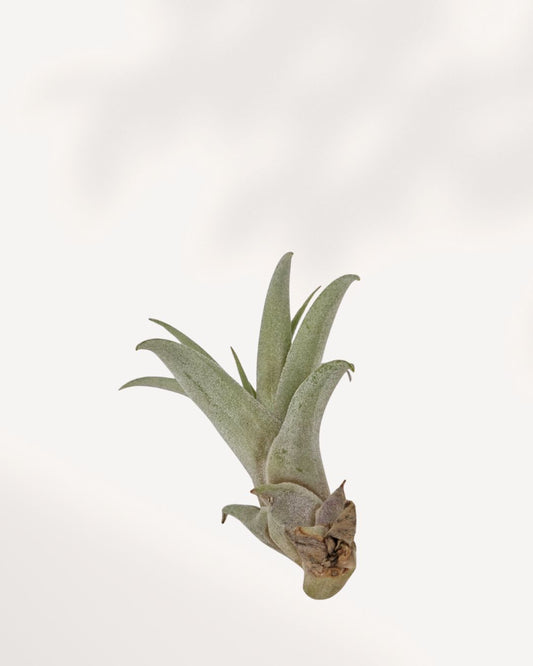
Tillandsia Caput Medusae - Air Plant
Regular price $8Regular priceUnit price per -
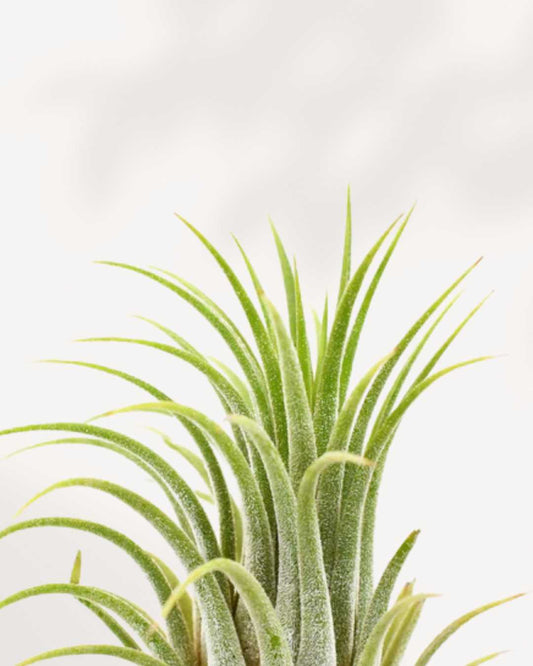
Tillandsia Ionantha - Air Plant
Regular price $8Regular priceUnit price per -
Tillandsia Capitata Peach - Air Plant
Regular price $20Regular priceUnit price per -
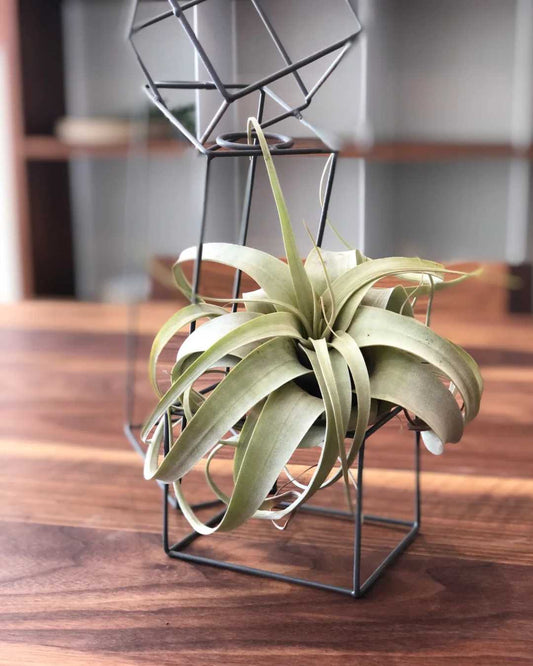
Tillandsia Xerographica Air Plant
Regular price From $25Regular priceUnit price per -

 Join Waitlist
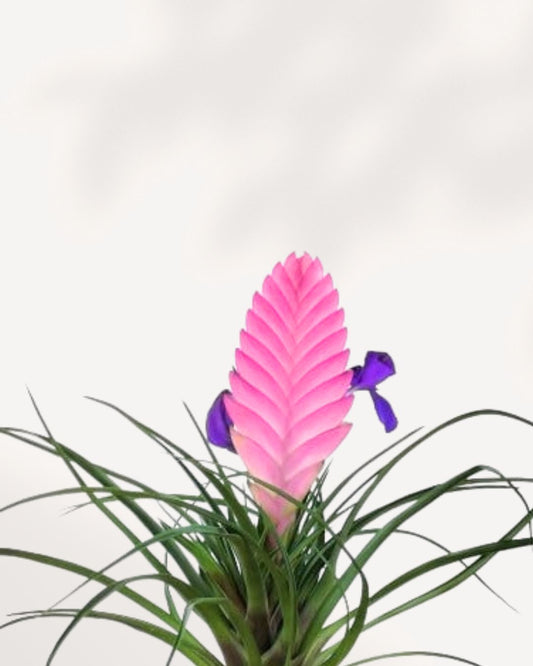
Tillandsia Cyanea
Regular price From $20Regular priceUnit price per -
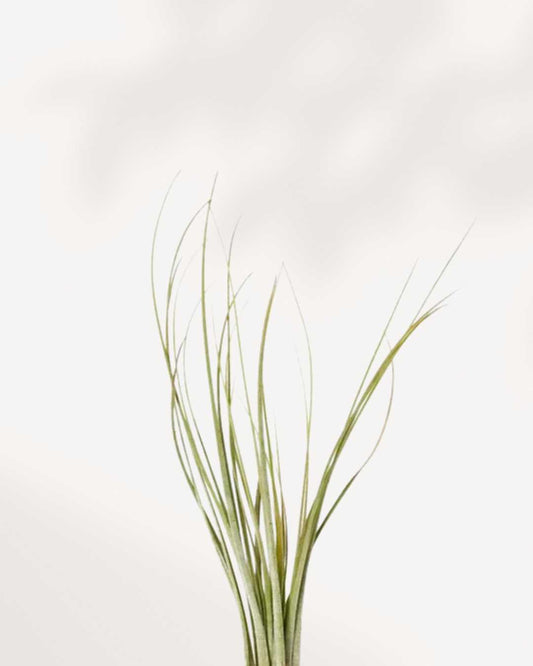
Tillandsia Juncea - Air Plant
Regular price $8Regular priceUnit price per -
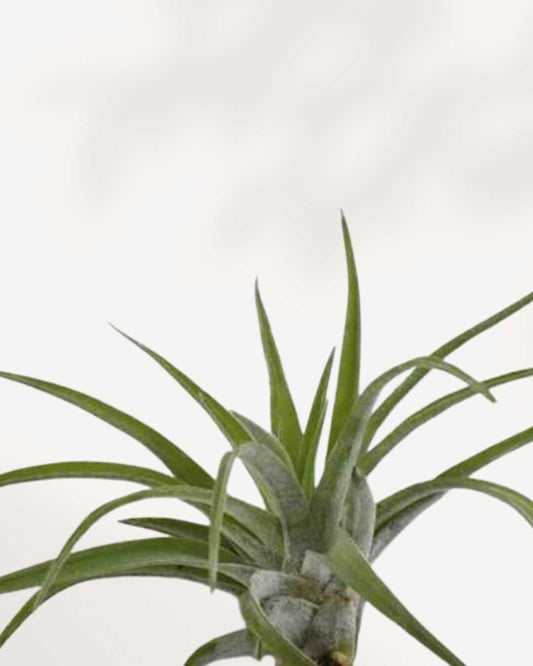
Tillandsia Bulbosa - Air Plant
Regular price $8Regular priceUnit price per -

 Join Waitlist
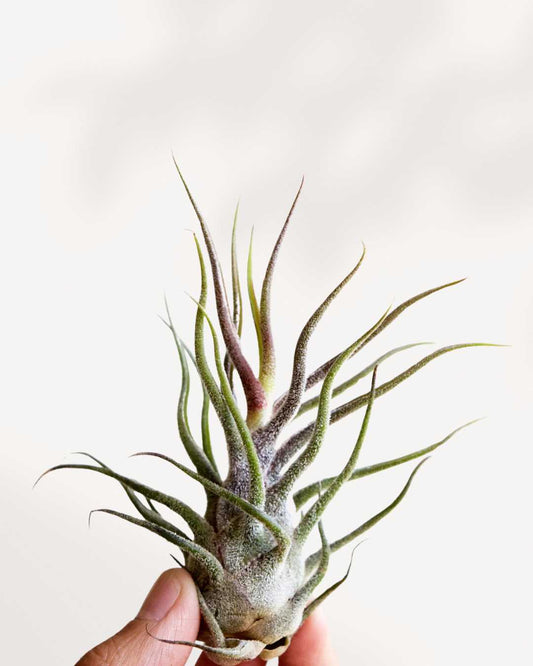
Tillandsia Brach Abdita - Air Plant
Regular price $8Regular priceUnit price per -

 Join Waitlist
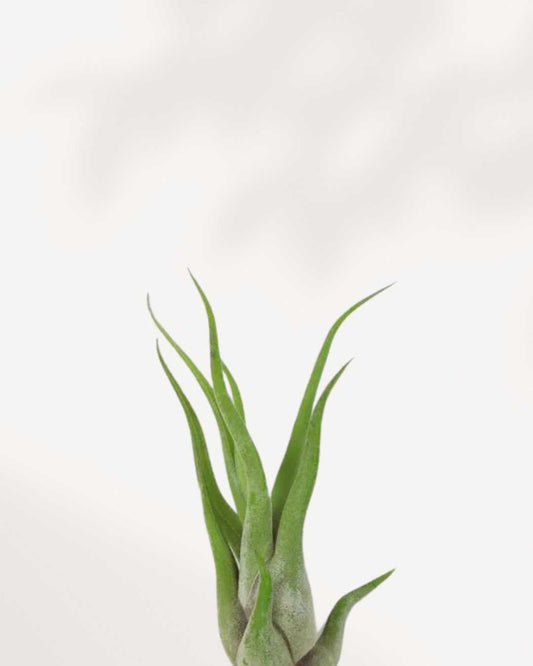
Tillandsia Pruinosa - Air Plant
Regular price $8Regular priceUnit price per -

 Join Waitlist









Let customers speak for us
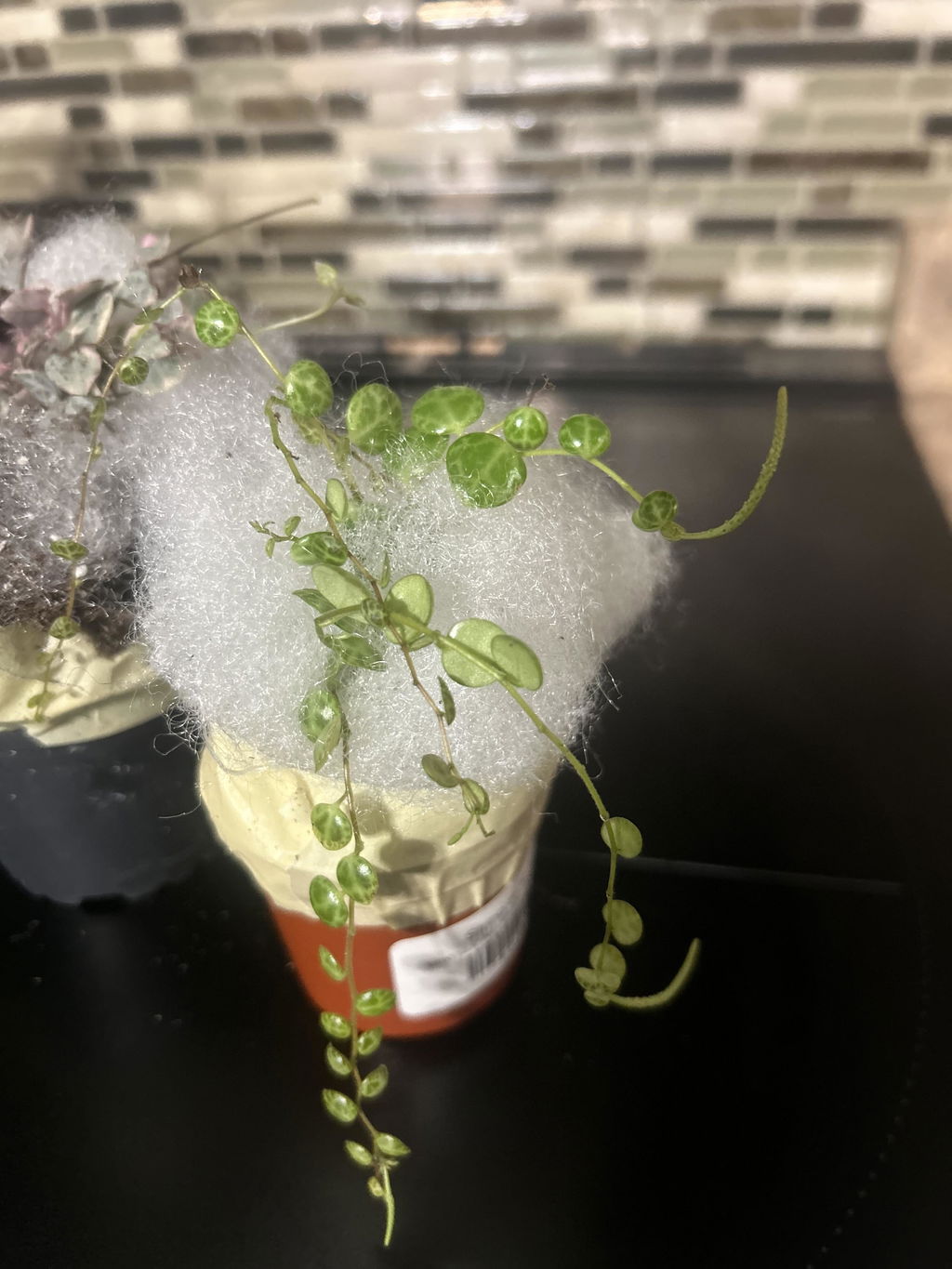
I received my string of turtle today, though I ordered a small one most of the leaves look healthy and happy I kind of wish it had a few more strands but I’m going to work hard to make sure it’s happy and healthy! For winter protection they wrapped it in cotton I’m super happy with all my plants so far!
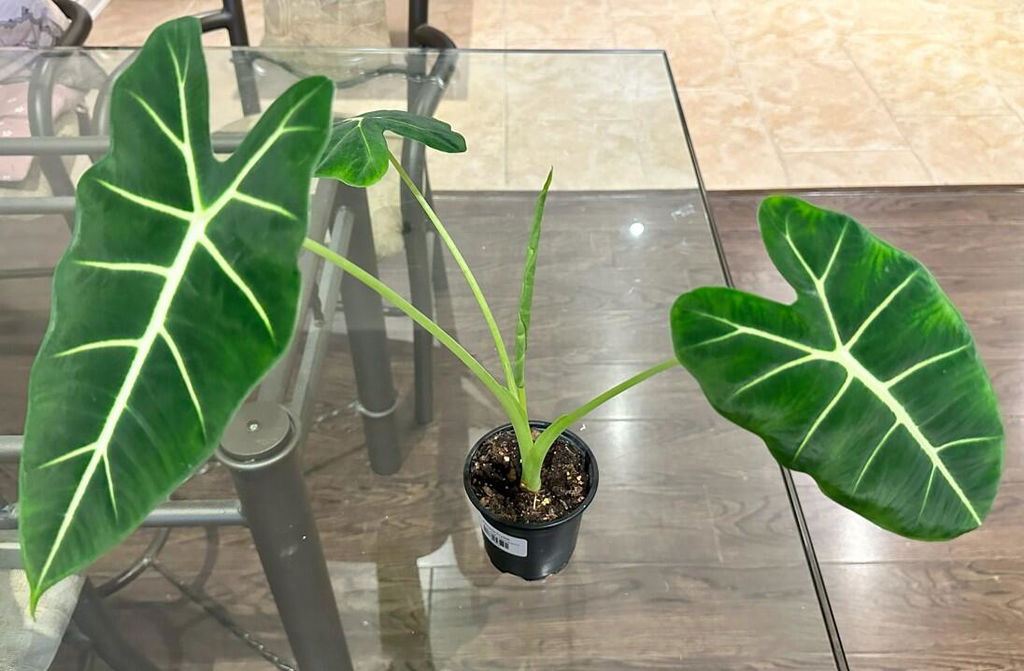
Very health roots and beautiful leaves, with new leaf coming out. Love this plant!
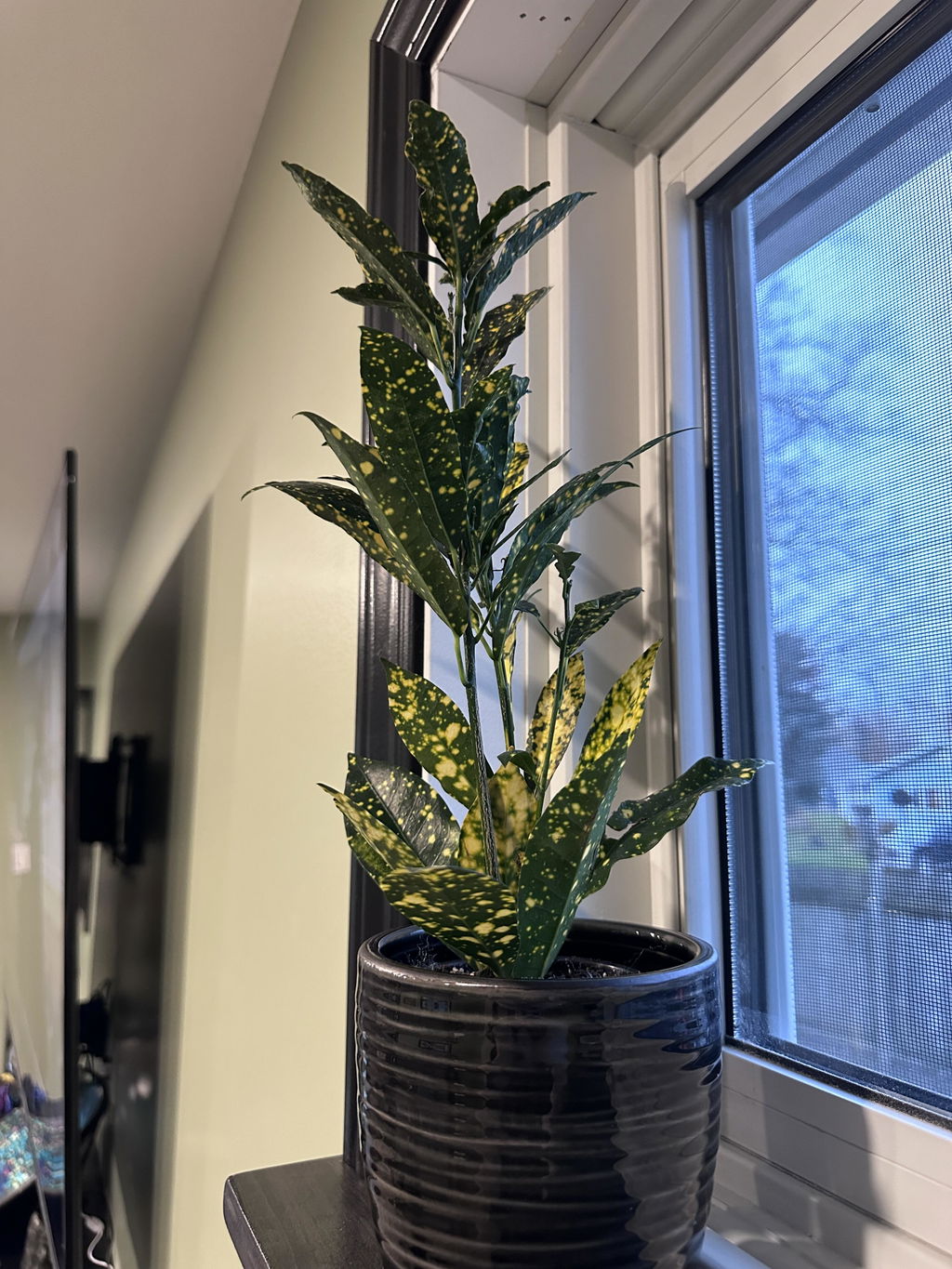
Absolutely love my plants! It was my first time ordering from this company and they did not disappoint. It arrived in perfect condition, carefully wrapped and protected. Will definitely be buying from them again!
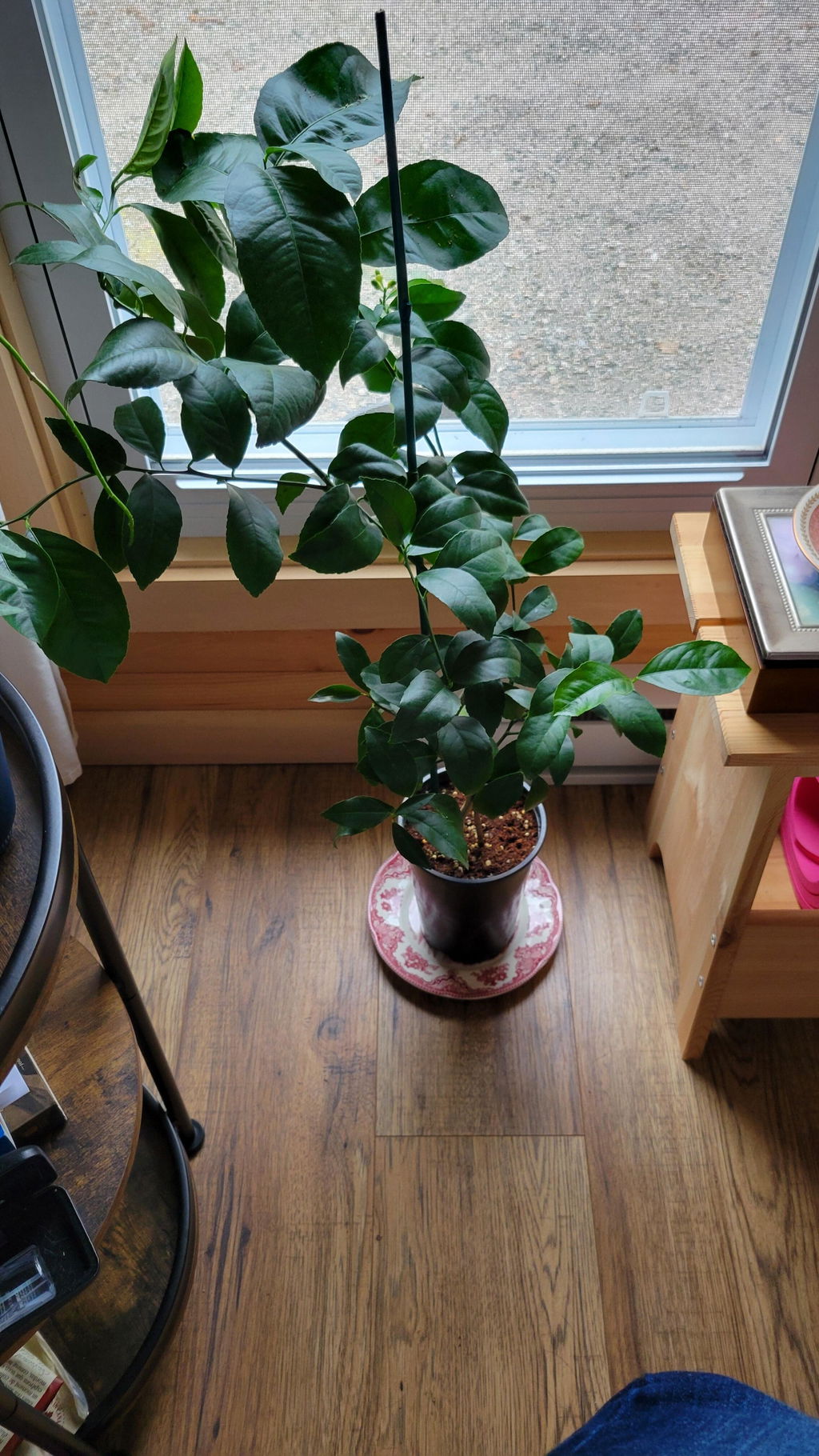
You then have obviously ordered from MyGreenScape!! This BEAUTIFUL, bigger then I realized plant is a welcome addition to a very sad window.
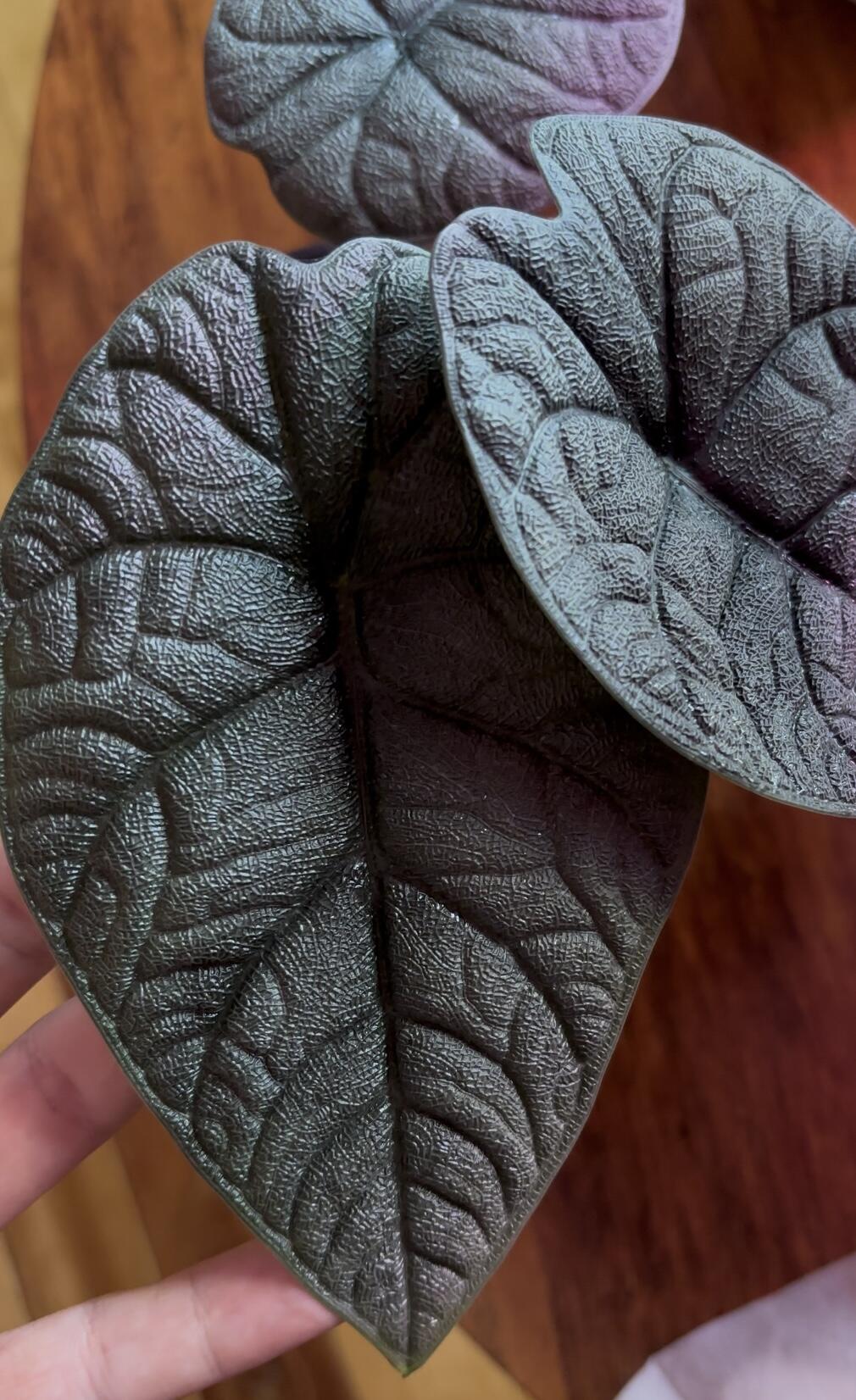
Parfaite 🖤
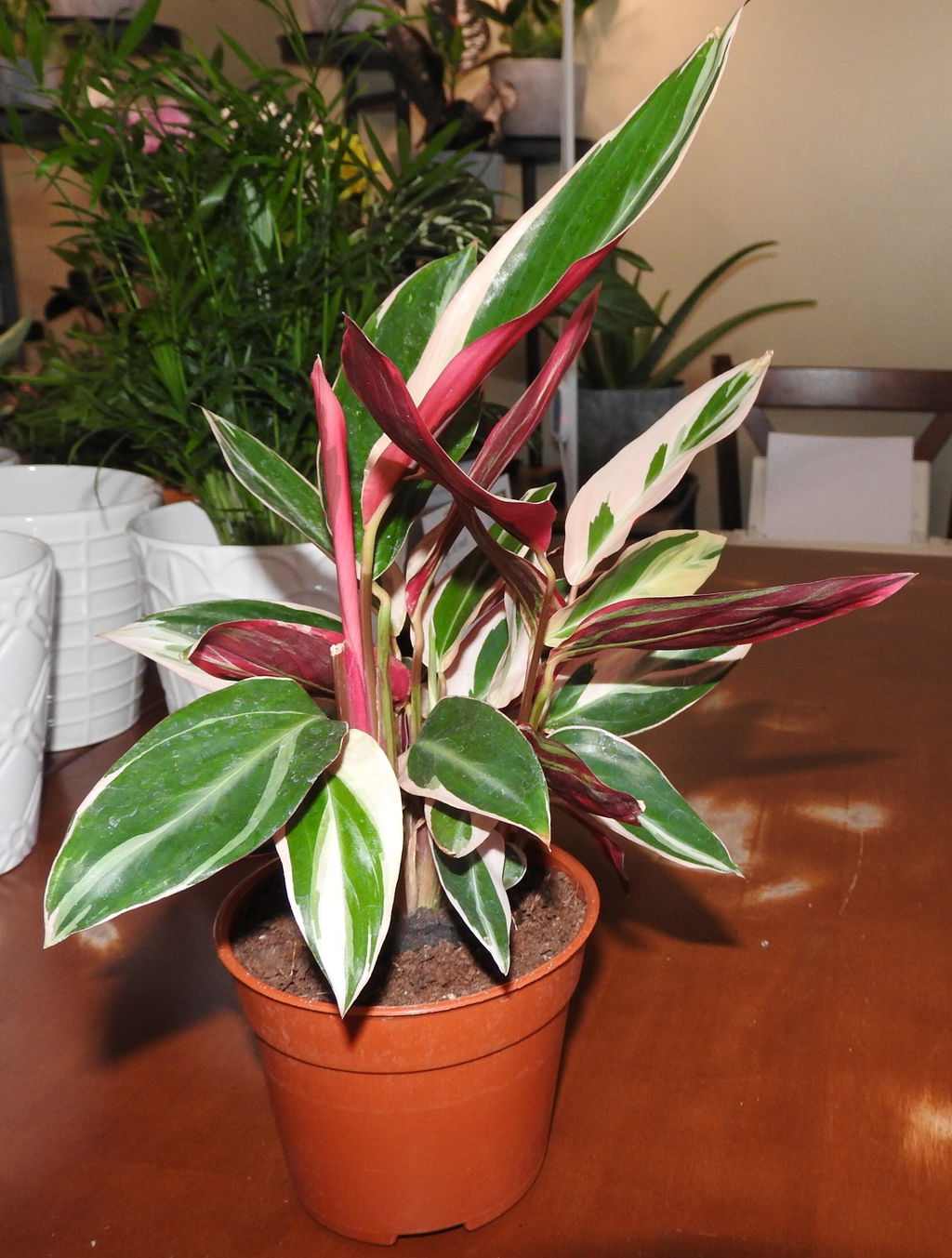
The Stromanthe Triostar was the last plant I unwrapped from my second order from mygreenscape.ca. I gasped when I saw this beautiful plant with its long leaves of dark and light pink and green. The underside of the leaves are deep pink. And it has some stripes, especially underneath. She is very healthy and has a few new leaves unfurling. All the plants were packaged up very well. Thanks so much!
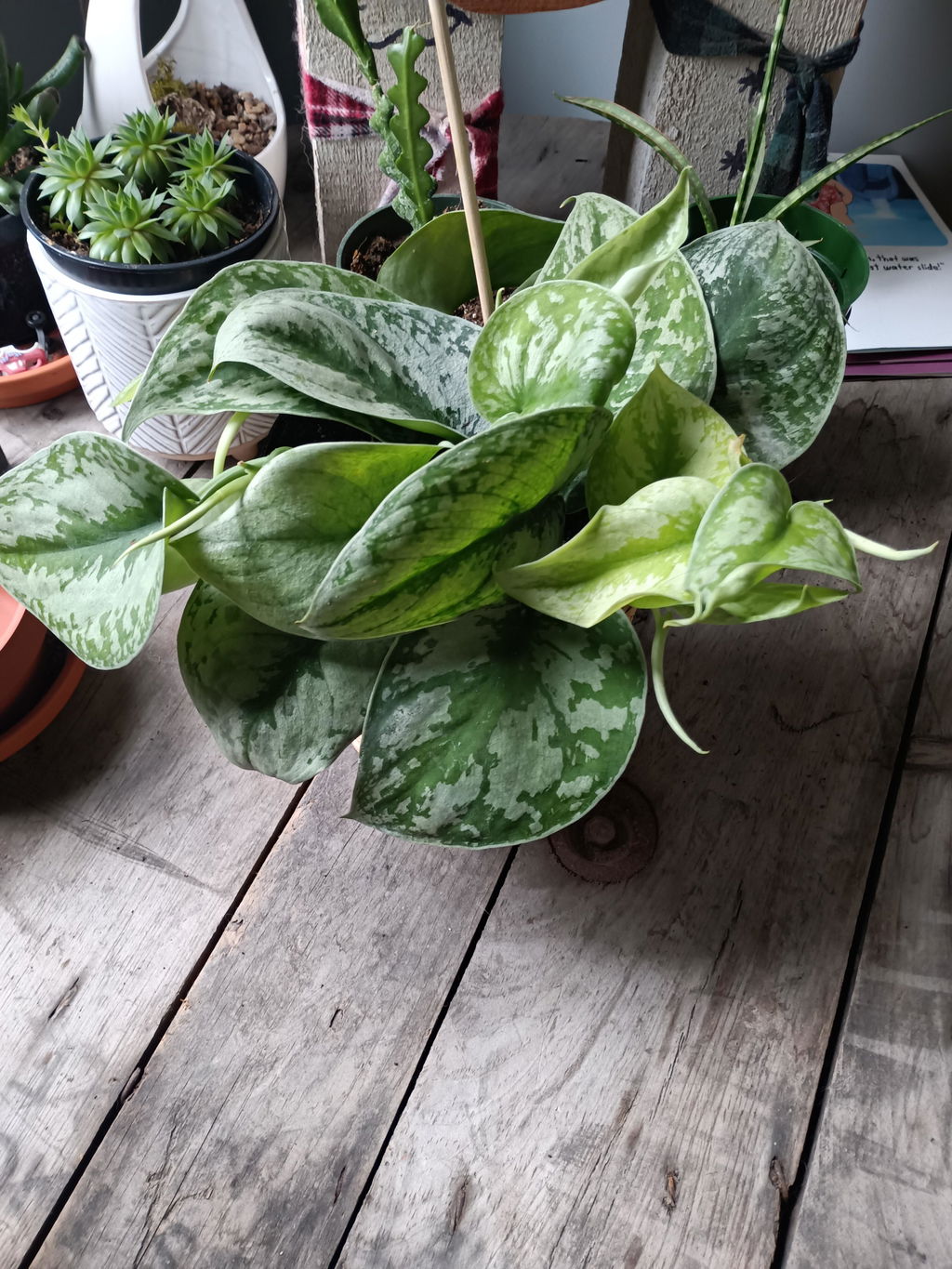
Such a pretty plant with big ol' leaves and tons of new growth coming in. So happy with it!
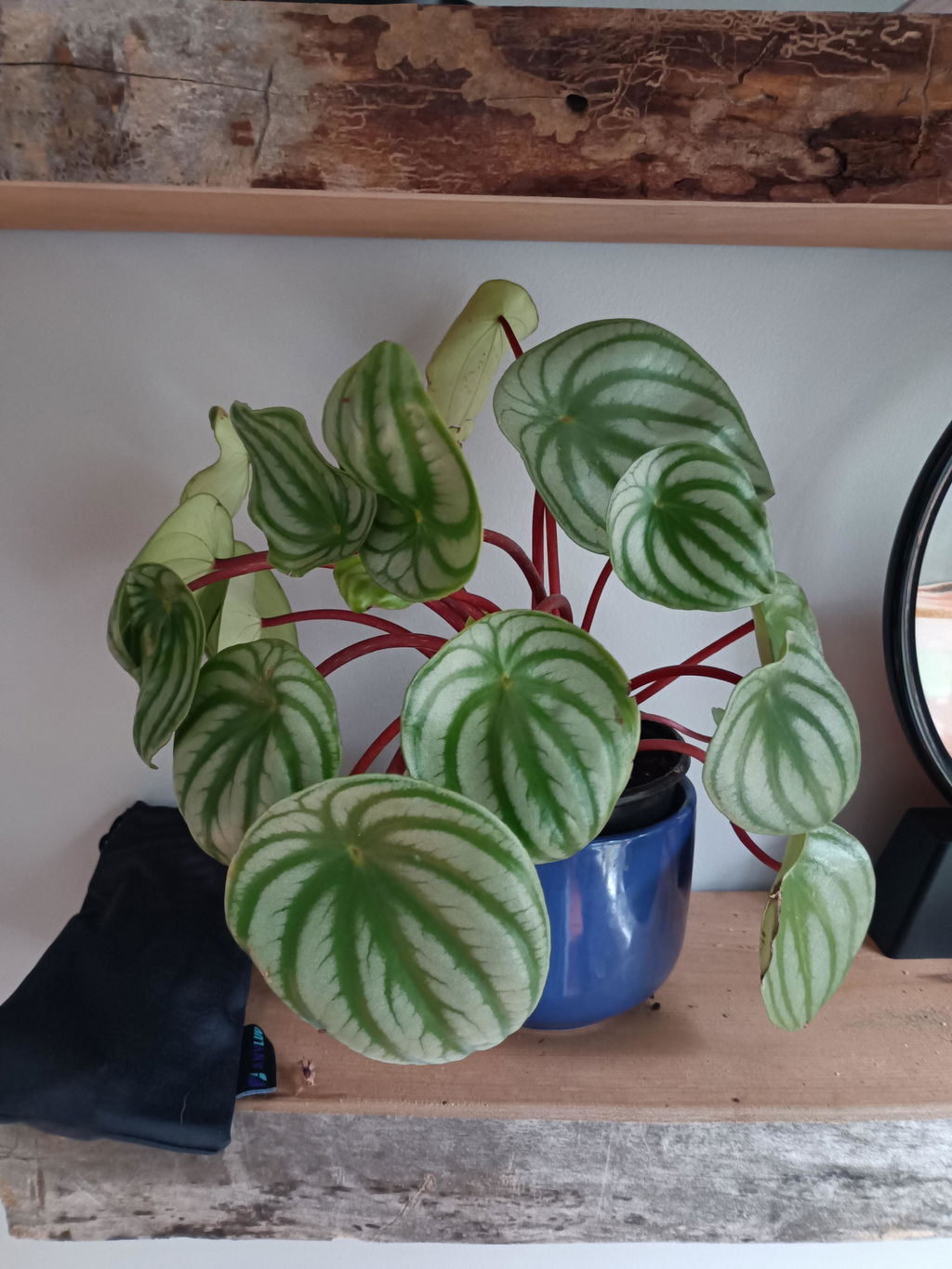
My order arrived quickly and all my plants were in great shape. I love this little plant, it arrived much fuller than I expected for the price.
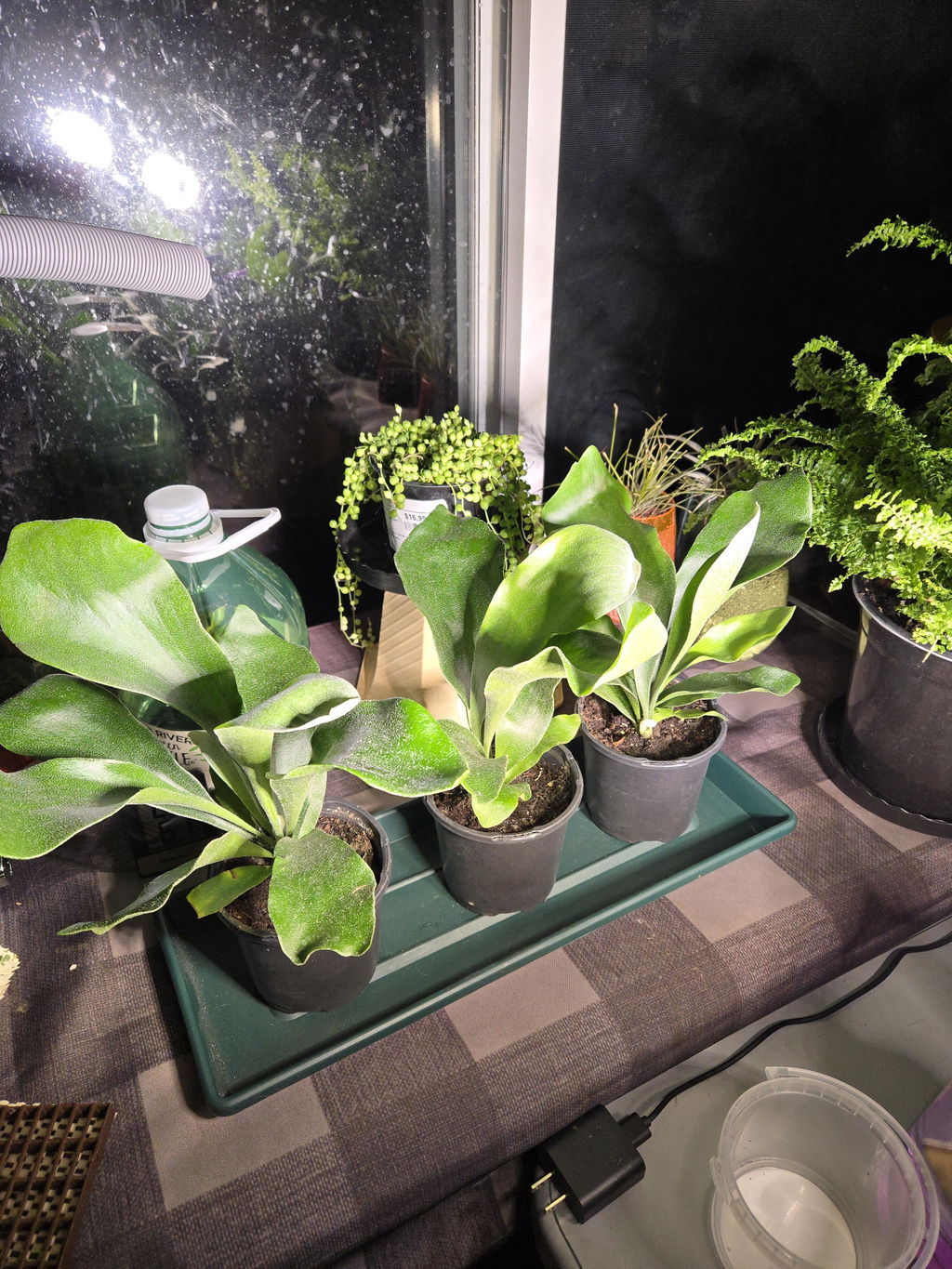
Just received my 3 plants, excellent condition, verry satisfied
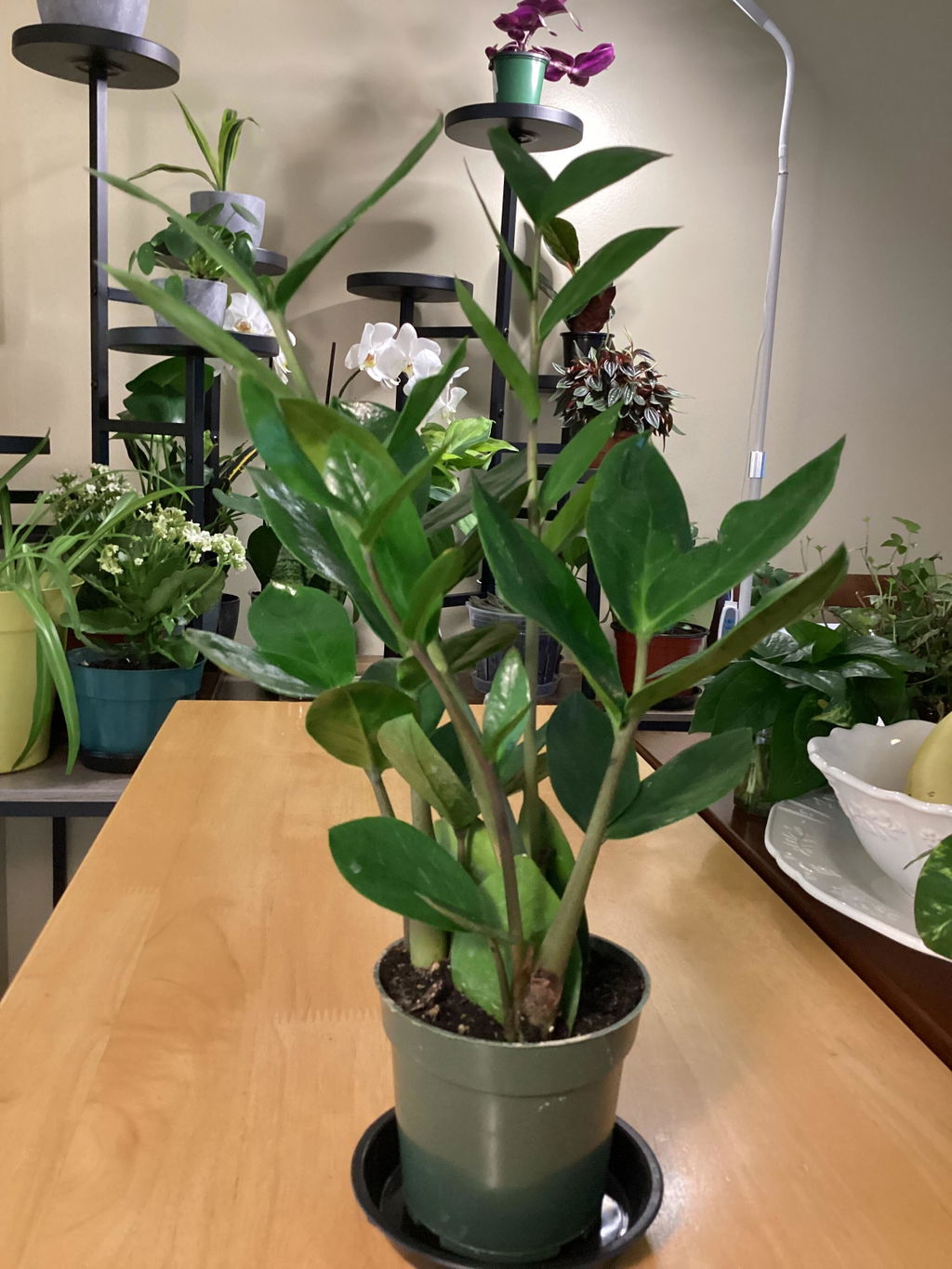
I'm so happy to have received this ZZ plant. Originally I ordered four plants, then after looking at my order I realized 2 of the same plant was in my cart. So I contacted Mygreenscape.ca and it was just in time as the shipment hadn't gone out yet. So I was advised I could pick another plant so that is how I became a plant parent for my ZZ :-) I'm grateful for the kindness I received -Thank you Imtiaz!
This is a very healthy plant. It's tall with interesting and shiny leaves. So nice to have this plant. Thanks Mygreenscape.ca
p.s. I want to purchase the ZZ Raven with my next order.
How to Care for Your Air Plants
Why Order Plants Online From Us.
-

30-DAY HAPPY PLANT GUARANTEE
If your plant isn’t thriving, we’ll make it right within 30 days. No stress, no hassle, just happy plants.
-

LIFETIME PLANT SUPPORT
On all our plants purchased. If you have any questions or concerns don't hesitate to contact us!
-

UNBEATABLE QUALITY
We source directly from top-rated growers, so we can deliver the finest quality plants at the very best prices.
-

FREE DELIVERY - 3 Days or Less
Available on qualifying orders in the GTA, with fast shipping across Canada


How to Fix Common Tillandsia Problems
Find your perfect plant
Answer five quick questions and we'll show you the plants best suited to your home, your light and your level of experience.
My new plant will live in the living roombright and roomy, most plants are happy here the bedroomusually the dimmest room in the house the bathroomhumid and low-light, a jungle in miniature an officedesk-sized, and forgiving of a missed weekend somewhere, not sure yetno problem, we'll keep our options open where it gets not much light1 to 4 hours of indirect light, shade-lovers only a decent amount of light4 to 6 hours indirect, or an hour or two of direct sun lots of direct sun4+ hours of direct sunlight, for the sun-worshippers . I'd like something tinywindowsill and shelf sized smallup to about 50 cm tall mediumroughly 50 to 100 cm tall large100 cm and up, a proper floor plant any size, surprise meall shapes and sizes welcome , and with plants I'm still learningwe'll stick to the forgiving ones pretty confidentbring on the fussy ones . At home there are no pets or small kidsanything goes pets or small kidswe'll only show plants confirmed safe around them .


30-Day Happy Plant Guarantee
If your plant isn't thriving, we'll make it right within 30 days. No stress, no hassle, just happy plants.

Lifetime Plant Support
On all our plants purchased. If you have any questions or concerns don't hesitate to contact us!

1273+ perfect matches
You might be surprised at the plants your space can actually grow.

Free Delivery - 3 Days or Less
Available on qualifying orders in the GTA, with fast shipping across Canada.
You Might Also Like
-

Accessories
The stuff that actually keeps your plants alive longer. Most plant problems...
-

Air Purifying Plants
Improve indoor air quality naturally with our quality air-purifying plants. These plants...
-

Low Light Indoor Plants
Want to bring life to spaces that don’t get enough sunlight? Explore...


