
How to Care for Hoya Australis: Easy Guide to Wax Plant & ‘Lisa’ Variegated Care
“Hoyas are hard to grow.” Terrible advice.
Hoya australis is one of the easiest. Thick waxy leaves. Fragrant blooms. Minimal fuss.
Give it bright light. Let it dry out. That’s basically it.
This hoya care guide covers everything. Including the popular Hoya Australis ‘Lisa’ variety.
Hoya Australis Varieties You Should Know
Not all hoya australis look the same. Several varieties exist, and each has slightly different needs.
|
Variety |
Leaf Colour |
Growth Speed |
Light Needs |
Special Notes |
|
Standard |
Deep green, glossy |
Fast |
Bright indirect |
Most forgiving variety |
|
Lisa (variegated) |
Green, cream, pink |
Moderate |
More light needed |
Can revert without enough light |
|
Tenuipes |
Thinner, lighter green |
Moderate |
Bright indirect |
Smaller leaves than standard |
|
Rupicola |
Green, compact |
Slow |
Bright indirect |
More rock-dwelling in nature |
The ‘Lisa’ variegated is the star right now. Those cream and pink splashes are stunning. But she needs extra light to keep that colour.
Standard hoya australis? Faster grower. More forgiving. Perfect starting point.
Want to see all the options? Browse the must-have hoyas for Canadian homes for inspiration.
Hoya Australis Light Requirements (The Key to Blooms)
Light is everything for this plant. Get it right and you’ll see blooms. Get it wrong and you’ll get leggy stems and zero flowers.
Ideal Light Conditions
Bright indirect light. That’s the sweet spot.
Think 2 to 4 feet from a south or west-facing window. In Canadian homes, east-facing works beautifully spring through fall.
What bright indirect looks like:
- Sun hits the wall near the plant, not the leaves directly
- You can read comfortably without turning on lights
- Shadows are visible but soft, not razor sharp
Need help assessing your space? Check the plant light requirements guide for specifics.
Light for Hoya Australis ‘Lisa’
Lisa needs more light than the standard variety. Period.
Those gorgeous cream and pink variegations? Less chlorophyll in those sections. That means less energy production. So the plant needs brighter conditions to compensate.
Lisa light rules:
- More light than standard hoya australis
- Some morning direct sun is fine (east window)
- Avoid harsh afternoon direct sun (burns the light-coloured sections)
- Low light causes variegation reversion (leaves turn all green)
If your Lisa starts losing colour, move her closer to the window. Immediately.
Signs of Wrong Light
|
Symptom |
Cause |
Fix |
|
Leggy stems, big gaps between leaves |
Too little light |
Move closer to window |
|
Yellow/brown scorched patches |
Too much direct sun |
Move back 2 to 3 feet from window |
|
Variegation fading (Lisa) |
Not enough light |
Move to brighter spot or add grow light |
|
No flowers after 2+ years |
Insufficient light |
Needs bright indirect for blooms |

How to Water Hoya Australis (Less Than You Think)
Overwatering kills more hoyas than anything else.
These are semi-succulent plants. Those thick waxy leaves store water. They don’t need constant moisture. They actually hate it.
The Watering Rule
Let the top 2 inches of soil dry completely before watering again. Stick your finger in. Dry? Water thoroughly. Still damp? Walk away.
Simple. That’s the entire method.
Seasonal Watering Schedule
|
Season |
Frequency |
Soil Check |
Notes |
|
Spring |
Every 7 to 10 days |
Top 2" dry |
Growth resumes, increase gradually |
|
Summer |
Every 5 to 7 days |
Top 2" dry |
Peak growth, may need more |
|
Fall |
Every 10 to 14 days |
Top 2" dry |
Slow down as light decreases |
|
Winter |
Every 2 to 3 weeks |
Top 2"+ dry |
Semi-dormant, reduce a lot |
Canadian winters are tricky. Dry heated air makes you think the plant needs more water. But shorter days mean slower growth. Slower growth means less water needed.
Always check soil first. Always.
For the complete method, read the indoor plant watering guide.
Signs of Watering Problems
Overwatering (the common mistake):
- Yellow mushy leaves
- Soft, translucent stem base
- Soil stays wet for 10+ days
- Foul smell from roots (root rot starting)
Underwatering (less common with hoyas):
- Wrinkled, puckered leaves
- Leaves feel thin and papery (not plump)
- Soil pulls away from pot edges
- Slow or no new growth
Wrinkled leaves are fixable fast. Give a thorough drink and they plump back up within 24 to 48 hours. Root rot from overwatering? Much harder to recover from.
The Right Soil Mix for Hoya Australis (Don’t Skip This)
Regular potting soil will kill your hoya. Slowly but surely.
It holds too much moisture. Hoya roots need air. They’re semi-epiphytic. In nature, they grow on trees and rocks, not in dense wet soil.
The Perfect Hoya Soil Recipe
Mix these together:
- 1 part orchid bark (chunky, creates air pockets)
- 1 part perlite (improves drainage)
- 1 part regular potting mix (holds some moisture)
That’s it. Equal parts. This drains fast but retains enough moisture for the roots to absorb what they need.
Pot Requirements
Non-negotiable:
- Drainage holes (no exceptions, ever)
- Slightly snug pot (hoyas bloom faster when rootbound)
- Terracotta or unglazed ceramic works best (breathable)
- Only size up 1 to 2 inches when repotting
Big pots hold too much moisture around roots. Hoyas prefer being cozy. Don’t rush to repot.
Find soil amendments and tools in the plant care products collection.

Humidity and Temperature for Hoya Australis
Here’s some relief. Hoya australis doesn’t need tropical rainforest conditions.
Temperature Range
Keep it between 15°C and 29°C (60°F to 85°F). Most Canadian homes stay in this range naturally.
Watch out for:
- Cold drafts from windows (winter problem in Canada)
- Heating vents blowing directly on leaves
- Temperatures below 10°C (50°F) cause damage
Move plants away from windows on really cold nights. A few inches makes a big difference.
Humidity Sweet Spot
40% to 60% humidity works perfectly. Average Canadian homes sit around 30% to 40% in winter. That’s on the low side.
Easy humidity fixes:
- Group hoyas with other plants (shared transpiration)
- Pebble tray with water underneath the pot
- Small humidifier nearby (best option for winter)
- Bathroom placement if light is adequate
Don’t mist hoyas. Wet leaves invite fungal problems. Use a humidifier instead.
How to Make Hoya Australis Flower (The Vanilla-Scented Reward)
This is why people obsess over hoyas. The blooms.
Hoya australis produces clusters of small star-shaped flowers. White with pink or red centres. And the scent? Sweet vanilla and chocolate. Especially strong at night.
But you won’t get flowers without the right conditions.
Bloom Requirements
All five of these matter:
- Bright indirect light (most important factor)
- Plant maturity (usually 2+ years old)
- Slightly rootbound in its pot
- Consistent care (no wild temperature swings)
- Never cut old flower stalks (peduncles). New blooms grow from the same spot
That last point is critical. See those dried-up stalks where flowers used to be? Leave them alone. Your hoya will bloom from them again next season.
Why Your Hoya Won’t Bloom
|
Problem |
Likely Cause |
Solution |
|
No flowers after 3+ years |
Insufficient light |
Move to brighter location |
|
Buds drop before opening |
Moved or rotated during budding |
Don’t move the plant once buds form |
|
Healthy vine but no buds |
Pot too large (energy goes to roots) |
Keep slightly rootbound |
|
Flowers but no scent |
Normal during day (fragrance peaks at night) |
Check scent in evening |
Patience matters here. Some hoyas take 3 to 5 years to bloom. Don’t give up. When those fragrant clusters finally open? Worth every minute of waiting.
How to Propagate Hoya Australis (Super Easy)
Want more hoyas for free? Propagation is ridiculously simple with this species.
Stem Cutting Method
Step-by-step:
- Cut a stem with at least 2 to 3 nodes (bumps where leaves attach)
- Remove the bottom 1 to 2 leaves
- Let the cut end dry for a few hours (prevents rot)
- Place in water or moist sphagnum moss
- Keep in bright indirect light, warm spot
- Roots appear in 2 to 4 weeks
- Transfer to soil when roots are 2 to 3 inches long
Water propagation is easiest for beginners. You can literally watch the roots grow. Change the water every 3 to 4 days to keep it fresh.
Propagation Tips for ‘Lisa’
Propagating the variegated Lisa? Extra care needed.
- Choose cuttings with good variegation (not all-green sections)
- Variegated cuttings root slightly slower (less chlorophyll)
- Give extra light during rooting
- Be patient. Lisa cuttings can take 4 to 6 weeks for roots
Spring is the best time to propagate. Active growing season gives cuttings the best chance.

Troubleshooting Hoya Australis Problems
Even easy plants have bad days. Here’s how to diagnose and fix the most common issues.
Yellow Leaves
Almost always overwatering. Check the soil. Wet and mushy? You’re drowning it.
Other possible causes: cold drafts, nutrient deficiency (rare), or natural aging of oldest leaves (completely normal, 1 to 2 per season).
Common Pests
Watch for:
- Mealybugs: white cottony clusters in leaf joints. Treat with rubbing alcohol on a cotton swab
- Spider mites: fine webbing on undersides. Increase humidity, spray with neem oil
- Scale: brown bumps on stems. Scrape off gently, apply neem oil
- Fungus gnats: tiny flies around soil. Let soil dry out more between waterings
Check new plants before bringing them near your hoya. Quarantine for 2 weeks. Pests spread fast.
Leggy, Sparse Growth
Not enough light. Simple as that.
Hoya australis stretches toward light sources. If you see long gaps between leaves and thin vines, move it closer to a window. Growth won’t fill in on old sections, but new growth will be compact.
Is Hoya Australis Toxic to Cats and Dogs?
You’ll find conflicting info online. So let’s be clear.
Hoya australis is considered mildly toxic. The sap contains compounds that can irritate mouths, stomachs, and skin in pets. Not severely dangerous, but not harmless either.
What to know:
- Milky sap causes oral irritation if chewed
- Can cause vomiting or drooling in cats and dogs
- Skin contact with sap may cause mild irritation
- Not considered lethal, but best kept out of reach
Hanging your hoya is the easiest solution. Trailing vines look gorgeous in a hanging basket. And pets can’t reach them.
Have curious pets? Explore the hoya bundle and hang them high.
Hoya Australis vs. Hoya Carnosa: Quick Comparison
These two get confused constantly. Both are wax plants. Both trail. Both bloom.
But they’re different plants. Here’s how.
|
Feature |
Hoya Australis |
Hoya Carnosa |
|
Leaf shape |
Rounder, thinner, softer |
Thicker, more oval, waxy |
|
Growth speed |
Faster (especially in good light) |
Moderate |
|
Blooms |
White with pink/red centre, vanilla scent |
Pink/white, sweet scent |
|
Beginner friendly |
Very (more forgiving) |
Yes (slightly less tolerant) |
|
Popular variety |
Lisa (variegated) |
Krimson Queen, Compacta |
|
Watering |
Same (dry between waterings) |
Same (dry between waterings) |
If you’re choosing between them? Start with australis. Faster growth gives you quicker feedback. And it’s slightly more forgiving of mistakes.
Check out the Hoya Australis to see the standard variety.

Frequently Asked Questions
Q: How fast does hoya australis grow?
Faster than most hoyas. In bright light during spring and summer, expect several inches of new vine per month. Lisa grows a bit slower because of the variegation. Winter? Almost nothing. That’s normal.
Q: Can hoya australis grow in low light?
Survive? Barely. Thrive? No. Low light means leggy growth, no flowers, and faded leaves. Medium light keeps it alive. Bright indirect light makes it beautiful. Aim for the brightest spot you can.
Q: Should I let my hoya trail or climb?
Both work. Trailing from a hanging basket looks stunning. But hoyas are natural climbers. Give it a trellis or moss pole and growth often speeds up. The leaves get bigger too. Try both and see what you prefer.
Q: How do I get my hoya australis Lisa to stay variegated?
Light. More than you think. Lisa needs bright conditions to maintain those cream and pink colours. Low light triggers reversion to solid green. Once a leaf reverts, it won’t change back. Prune reverted growth to encourage new variegated leaves.
Q: Is hoya australis safe around my cat?
Mildly toxic. The sap irritates mouths and stomachs. It’s not deadly, but it’s not great either. Hang it high or place on a shelf your cat can’t reach. Problem solved.
Conclusion
Hoya australis is one of the most rewarding indoor plants you can grow. Easy care. Beautiful trailing vines. And those vanilla-scented blooms are incredible.
The basics? Bright indirect light. Dry between waterings. Chunky soil mix. That covers 90% of what this plant needs.
For the Lisa variety, just add extra light to keep the variegation popping.
Start simple. One plant. One bright window. You’ll be hooked.
Ready to start? Grab a Hoya Australis or the popular Hoya Australis Lisa and see for yourself.
The Positive Impact of Plants
-
Plants and Healing
Working with plants soothes the mind. It feels calming and healing, offering a peaceful break from daily life.
-
Plants for Recovery
Being around plants can speed up healing from sickness, making you feel better quicker in a natural way.
-
Plants and Work
Plants in your space may make your work better and faster, enhancing focus and creativity during tasks.
LETTING CUSTOMERS SPEAK FOR US!
Shop by Feature
-

Pet Friendly Plants
Not all houseplants are safe for pets, but you can still enjoy...
-

Air Purifying Plants
Improve indoor air quality naturally with our quality air-purifying plants. These plants...
-

Easy Grower Plants
Premium easy grower houseplants shipped fresh across the GTA. Perfect for beginners....
-

Low Light Plants
Want to bring life to spaces that don’t get enough sunlight? Explore...


FAQs for Plant Delivery in Ontario & Quebec
What types of house plants do you offer for delivery.
We offer a wide variety of houseplants for delivery. Here are some of the popular options: Aglaonema, Alocasia, Calathea, Hoya, Monstera, Palm, Peperomia, Philodendron, Pothos, Sansevieria Snake, Syngonium, Tradescantia.
What is the lifetime support?
All plants purchased from our store or through our workshops come with lifetime support. This means that whenever you have questions or concerns about your plant, we're here to help. Whether you're unsure about your plant's health or need advice, we can assist in identifying problems, answering your questions, and potentially saving your plant. Feel free to reach out to us on Instagram @mygreenscapeto or via email at support@mygreenscape.ca.
Where do MyGreenScape plants come from?
Our plants embark on a journey from various greenhouses across Canada. We prioritize short delivery routes to ensure your plant arrives happy, healthy, and full of vitality.
Do I have to repot my plants once they arrive?
Absolutely not! When your plant arrives, give it time to settle into its new home. Place it in the desired spot, and let it acclimate for about two weeks.
-

UNBEATABLE QUALITY
We source directly from top-rated growers, so we can sell the finest quality plants at the very best prices.
-

FREE DELIVERY
On qualifying orders,
typically arriving within 72 hours in the GTA
and 2–4 business days elsewhere.
-

LIFETIME PLANT SUPPORT
On all our plants purchased. If you have any questions or concerns don't hesitate to contact us!
-

HAPPY PLANT GUARANTEE
Your happiness is our top priority, which is why we offer a unbeatable 30-day satisfaction guarantee.


Favorite in our plant shop
-
Ficus Elastica Burgundy
Regular price From $16Regular priceUnit price per -
Kalanchoe Thyrsiflora Flapjack
Regular price $18Regular priceUnit price per -
Ivy Marengo
Regular price From $10Regular priceUnit price per -

 Join Waitlist
Lucky Bamboo Stem
Regular price $10Regular priceUnit price per -
Dracaena Fragrans Massangeana
Regular price $40Regular priceUnit price per -
Dieffenbachia Tiki
Regular price $15Regular priceUnit price per -
Anthurium Hookeri
Regular price $45Regular priceUnit price per -
Monstera Bulbasaur
Regular price $150Regular priceUnit price per -
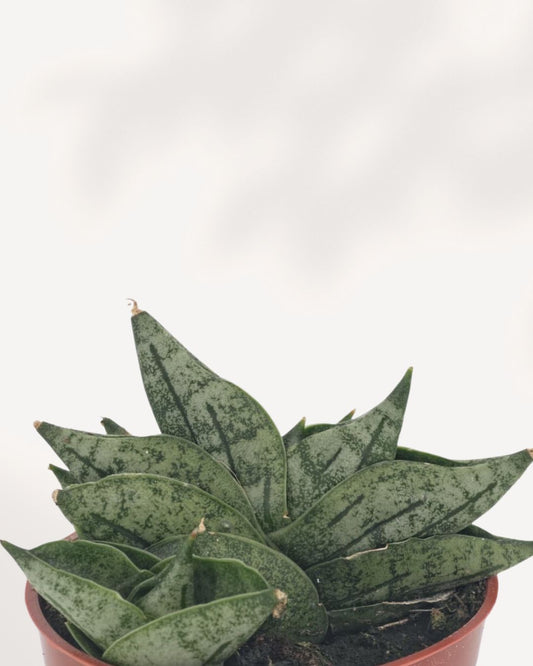
Sansevieria Dwarf Boncel Starfish
Regular price $8Regular priceUnit price per -
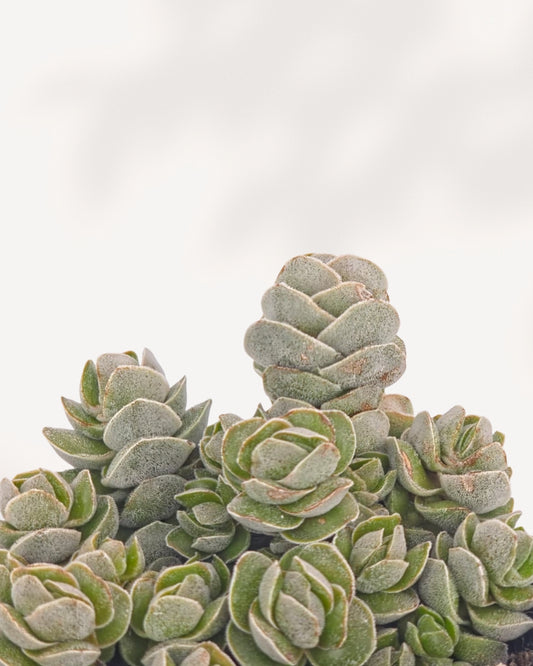
Crassula Ivory Pagoda
Regular price $28Regular priceUnit price per -
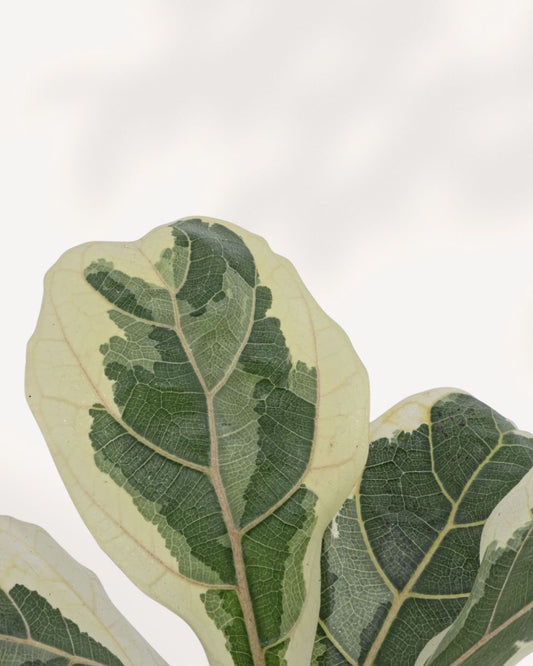
Fiddle Leaf Fig Variegated
Regular price $45Regular priceUnit price per -
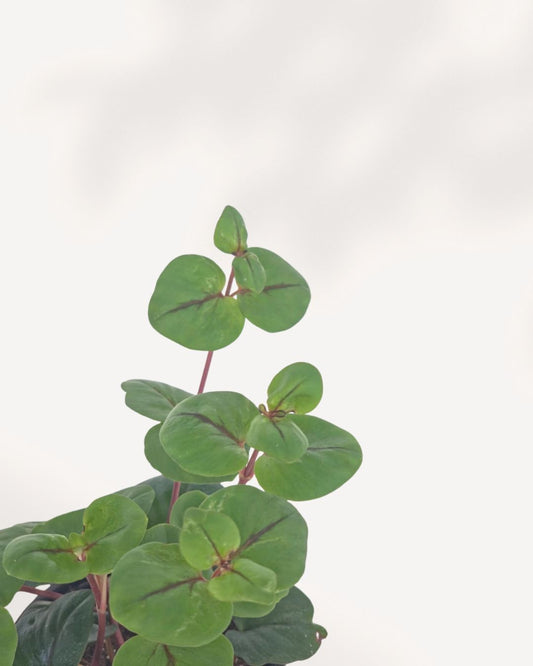
Creeping Jenny - Lysimachia
Regular price $10Regular priceUnit price per












Learn from Blog's
View all-

Snake Plant vs ZZ Plant: Two Plants Even Plant ...
People kill both of these plants by watering them normally. The ZZ stores water in underground rhizomes that look like potatoes. The snake plant stores it in its leaves. Overwater...
Snake Plant vs ZZ Plant: Two Plants Even Plant ...
People kill both of these plants by watering them normally. The ZZ stores water in underground rhizomes that look like potatoes. The snake plant stores it in its leaves. Overwater...
-

5 Easy Indoor Plants You Won't Kill in a Canadi...
Beginner plants dying in Canadian homes has nothing to do with light or neglect. It's water. Too much of it, especially from November to March when the soil takes twice...
5 Easy Indoor Plants You Won't Kill in a Canadi...
Beginner plants dying in Canadian homes has nothing to do with light or neglect. It's water. Too much of it, especially from November to March when the soil takes twice...


MyGreenScape is your go-to online shop for indoor plants in cities Ontario or Quebec, including Toronto, Montreal, and many more. Our mission is to add joy to your home, one leaf at a time. Explore our range of beautiful, air-cleaning plants from the comfort of your home. You can find beautiful indoor plants, pots for plants, garden tools, and hanging basket plants all in one spot. Our mission is to add joy to your home, one leaf at a time.
Buying plants online with us means no more carrying heavy pots or figuring out how to get big plants home. We deliver straight from the gardener to you, with eco-friendly packaging, across Ontario and Quebec. Expect your new green friends within 2-7 days.
Why choose MyGreenScape? Here’s why:
- Lifetime Support: We’re here for you always. Get all the help you need for your plants to flourish.
- 30-Day Happy Plant Guarantee: Not happy with your plant? Tell us within 30 days, and we’ll fix it.
- Easy Delivery: Fast, direct to your doorstep in Ontario or Quebec.
Hear from a happy customer, Sarah T.: "Buying plants was never easier. Quick, simple, and with great support from MyGreenscape."
Ready for easy, stress-free plant shopping? Visit us now and make your home greener. Join MyGreenScape for a hassle-free way to bring nature inside.