Skip to product information
1 of 6

Apoballis Red Sword

Apoballis Red Sword

Regular price $18
Regular price Sale price $18
Sale Sold out
Shipping calculated at checkout.
Buying more than one? Save 15% with Mix & MatchChoose any 5 exotic plants
Size
🌱 Earn $5 credit per $50 spent
Applied automatically at checkout. Valid 90 days.
Read more

About This Plant

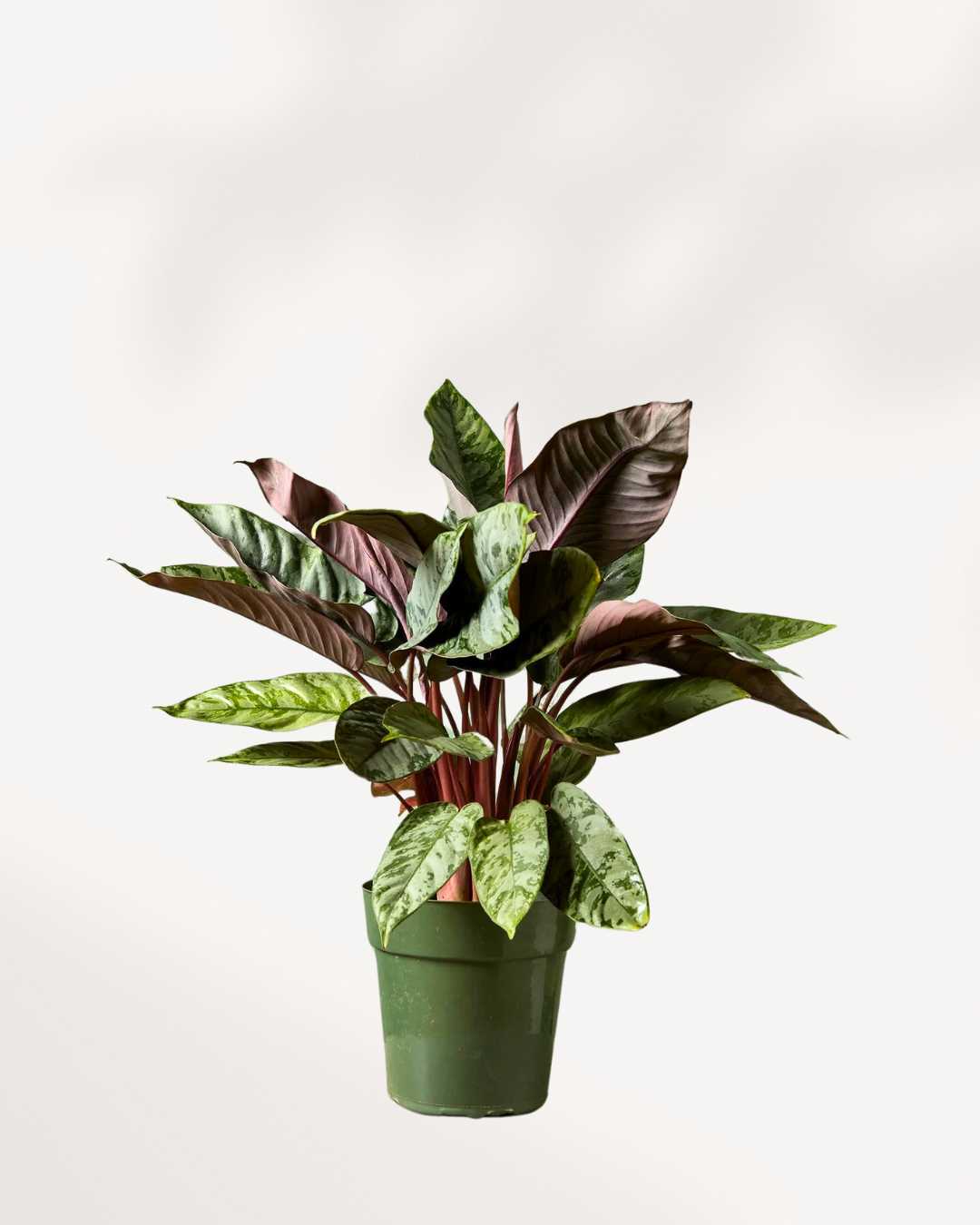
Apoballis Red Sword (Apoballis acuminatissima) is a tropical aroid native to the humid forests of Sumatra, Indonesia. It grows long, lance-shaped, upright leaves with a glossy deep green surface and striking burgundy or deep red-purple undersides.

The burgundy undersides are what make it different. Most tropical foliage plants show only one colour. The Red Sword has a completely different look from above and below, which makes it visually interesting from every angle. It holds this colouring year-round without seasonal fading.

Keep it away from pets and children. Apoballis belongs to the Araceae family. Multiple independent plant care sources confirm it is toxic to cats and dogs, with symptoms including vomiting and gastrointestinal distress. It is not listed by name in the ASPCA database, but keep it out of reach of pets and small children as a precaution.

It grows steadily in a bright, humid spot. The Red Sword is more forgiving than many collector aroids and adapts well to bright indirect light and moderate indoor conditions. It handles the dry forced-air heating in Canadian homes better than plants like Alocasia, though it appreciates some humidity.

Winter Slowdown

Growth slows from November onward and the plant becomes more sensitive to the dry heated air in Canadian homes. It does not go dormant but stops pushing new leaves in low light and temperatures below 15°C. Keep soil consistently moist but cut back slightly on watering frequency.

Toxicity

Not listed by name in the ASPCA database. Apoballis belongs to the Araceae family, and NC State Extension lists it as having medium-severity poison characteristics. As with other aroids, the sap and leaves contain calcium oxalate crystals that cause oral irritation if chewed. Keep it out of reach of pets and small children as a precaution.

Pests

Spider mites are the most common pest, appearing on the undersides of leaves when indoor air is very dry. Check each time you water, especially from November onward when Canadian heating drops indoor humidity. Aphids occasionally appear on new growth. Wipe both sides of the leaves regularly to remove dust and catch early infestations.

Other Plants You Might Like

Not sure this is the right fit? Here are three other plants our Canadian customers love. All ship across Canada and thrive in Canadian homes.

Anthurium Crystallinum Turtle. Same family, velvety texture.

For another rare Araceae collector plant with a very different leaf surface, the Anthurium Crystallinum Turtle has large velvety leaves with shimmering silver veins and similar care needs.

Aglaonema Red Siam. Red tones, easier care.

For vivid red and green colouring without the humidity demands, the Aglaonema Red Siam handles drier Canadian indoor conditions and lower light with much less fuss.

Alocasia Dragon Scale. Textured and dramatic.

For another collector aroid with a strong visual character, the Alocasia Dragon Scale has deeply textured scale-like leaves in a silver-green that makes a bold statement in any bright room.

Common Questions

How often should I water the Apoballis Red Sword?

Water when the top two inches of soil feel mostly dry. In spring and summer that is roughly once a week. In a Canadian winter, every ten to fourteen days. The plant prefers consistent moisture but is sensitive to soggy soil. Our indoor plant watering guide shows exactly how to check before watering.

What light does it need in a Canadian home?

Medium to bright indirect light works best. A spot near an east-facing window is ideal. It tolerates medium light but grows best and holds its burgundy undersides most vividly in brighter conditions. Avoid direct afternoon sun which can scorch the glossy leaves. Read our guide to light requirements for indoor plants to find the right spot.

Is the Apoballis Red Sword toxic to cats and dogs?

It is not listed by name in the ASPCA database. However, Apoballis belongs to the Araceae family, and multiple plant care sources confirm it is toxic to cats and dogs. Keep it out of reach of pets and small children as a precaution.

Will it survive a Canadian winter indoors?

Yes. Keep it above 18°C, away from cold glass and heating vents. Growth slows from November to February but the plant stays green. It handles dry indoor air better than most aroids but still appreciates moderate humidity. Read our tips on keeping plants alive in winter for more.

Why are the leaf tips turning brown?

Brown tips usually mean the air is too dry or the plant is sitting too close to a heating vent. The forced-air heating in Ontario and Quebec homes dries the air significantly in winter. Move it away from vents, try using filtered tap water, and consider placing a pebble tray nearby. The burgundy undersides are also most vivid in moderate to high humidity.

How to Take Care of Apoballis Red Sword

Good to Know

Sun: Indirect

Medium to bright indirect light is ideal. An east-facing window in a Canadian home works well year-round. Avoid direct afternoon sun which can bleach the glossy green surface. The burgundy undersides are most vivid in brighter indirect light.

Light: Medium to bright indirect

A spot near an east-facing window gives the best results. From October to February when Canadian daylight shortens, keep it as close to the brightest window as possible. Low light causes slower growth and less vivid colouring on the undersides.

Water: When top 2 inches of soil are mostly dry

Water thoroughly until it drains, then wait until the top two inches feel mostly dry. In a Canadian winter, every ten to fourteen days. Never leave it in standing water as root rot sets in quickly.

Humidity: Moderate to high

Prefers humidity above 50 percent. It handles dry Canadian indoor air better than most aroids but benefits from a pebble tray or humidifier in winter when forced-air heating drops indoor humidity significantly in Ontario and Quebec homes.

Pet Friendly: Not confirmed, keep out of reach

Not listed in the ASPCA database by name. Multiple sources confirm Apoballis is toxic to pets as an Araceae family member. Keep it out of reach of pets and small children as a precaution.

Pro Tip

Dust dulls the glossy green tops and can make the burgundy undersides harder to see. Wipe each leaf gently with a damp cloth every few weeks, cleaning both the top and underside. This is especially useful during the short-day months of a Canadian winter when the plant needs every bit of available light.


What To Expect

Shipping and Delivery Details

Choose local GTA delivery, free Richmond Hill pickup, or shipping across Canada. Pick your delivery or pickup date at checkout, we'll have it ready and fresh for you. See full shipping and delivery details.

30-Day Happy Plant Guarantee

If your plant arrives damaged or isn't healthy, contact us within 30 days with a photo. We'll sort it out with a replacement, refund, or store credit whichever works best for you. View our complete guarantee policy

Frequently Asked Questions

Certainly! If you're pondering about ordering plants online, you're not alone. We've compiled the most frequently asked questions. Check out our FAQ section here for quick answers! Happy planting!

Plant and Pot Size Guide

4" Pot (Small): plant is approx. 6-10 inches tall. 6" Pot (Medium): approx. 12-18 inches tall. All plants come in a standard nursery pot. Decorative pots are sold separately.

Winter Shipping Protection

Between November and March we add extra insulated packaging and heat packs to protect your plant from cold temperatures during transit. You can add winter shipping protection at checkout.

Returns Policy

If a plant arrives with significant damage, pests, or disease, we offer a full replacement or refund.Our guarantee covers the viability and health of your plant for 30 days.

View full details

Plant care essentials

Everything you need to keep this plant thriving.

Hear From Happy Plant Parents.

Who have brought Mygreenscape plants into their homes.