


Couldn't load pickup availability
Applied automatically at checkout. Valid 90 days.
Read more
About This Plant
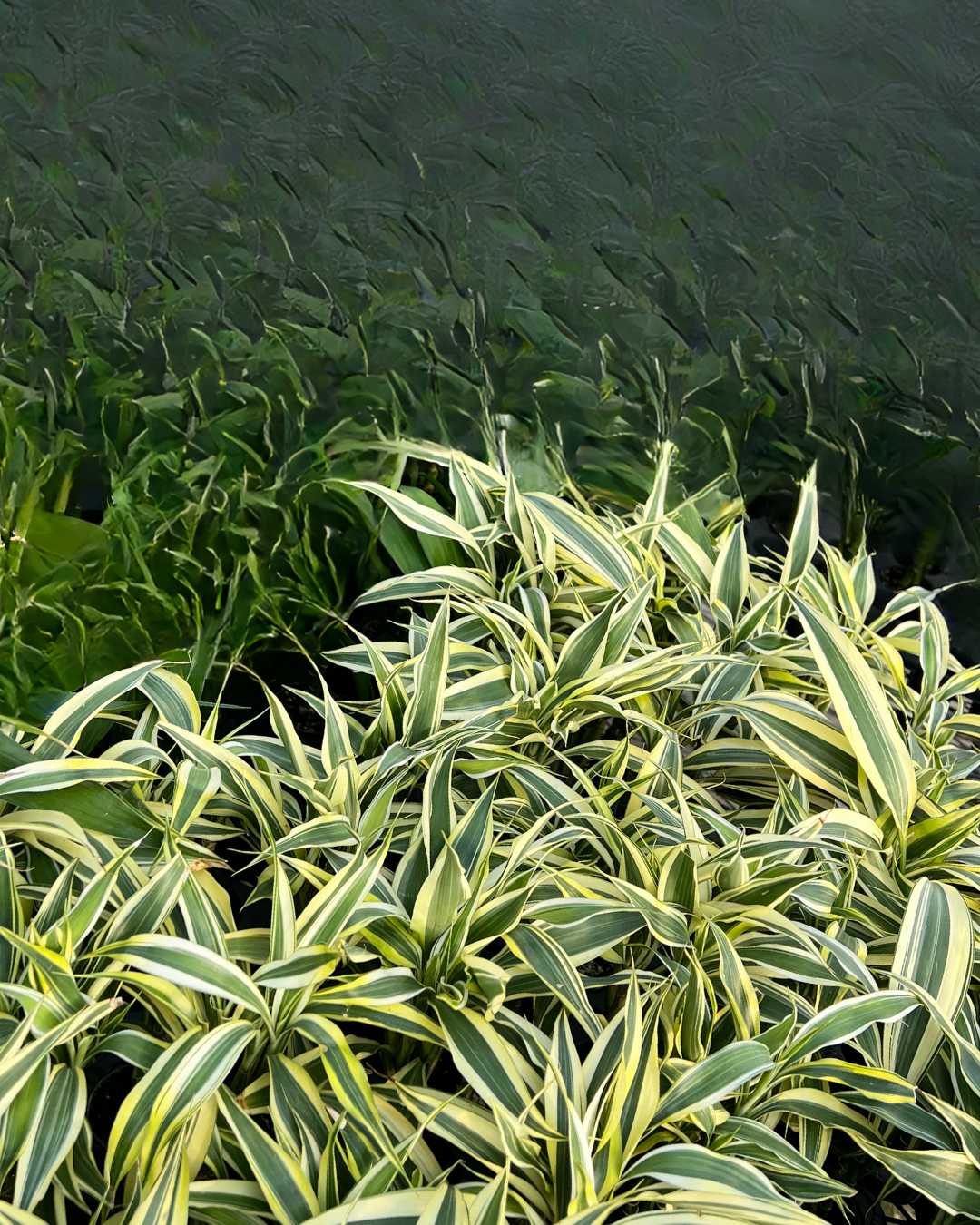
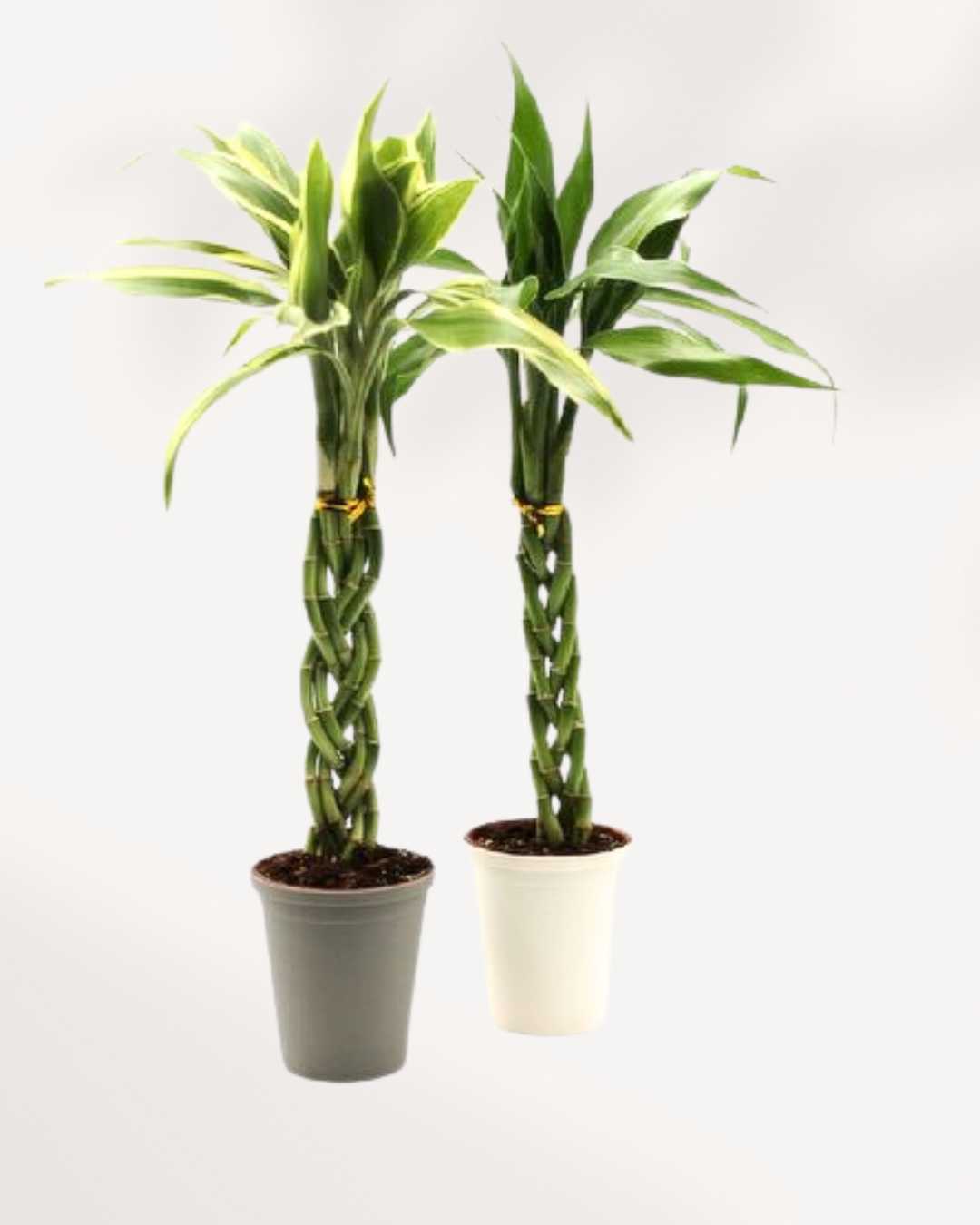
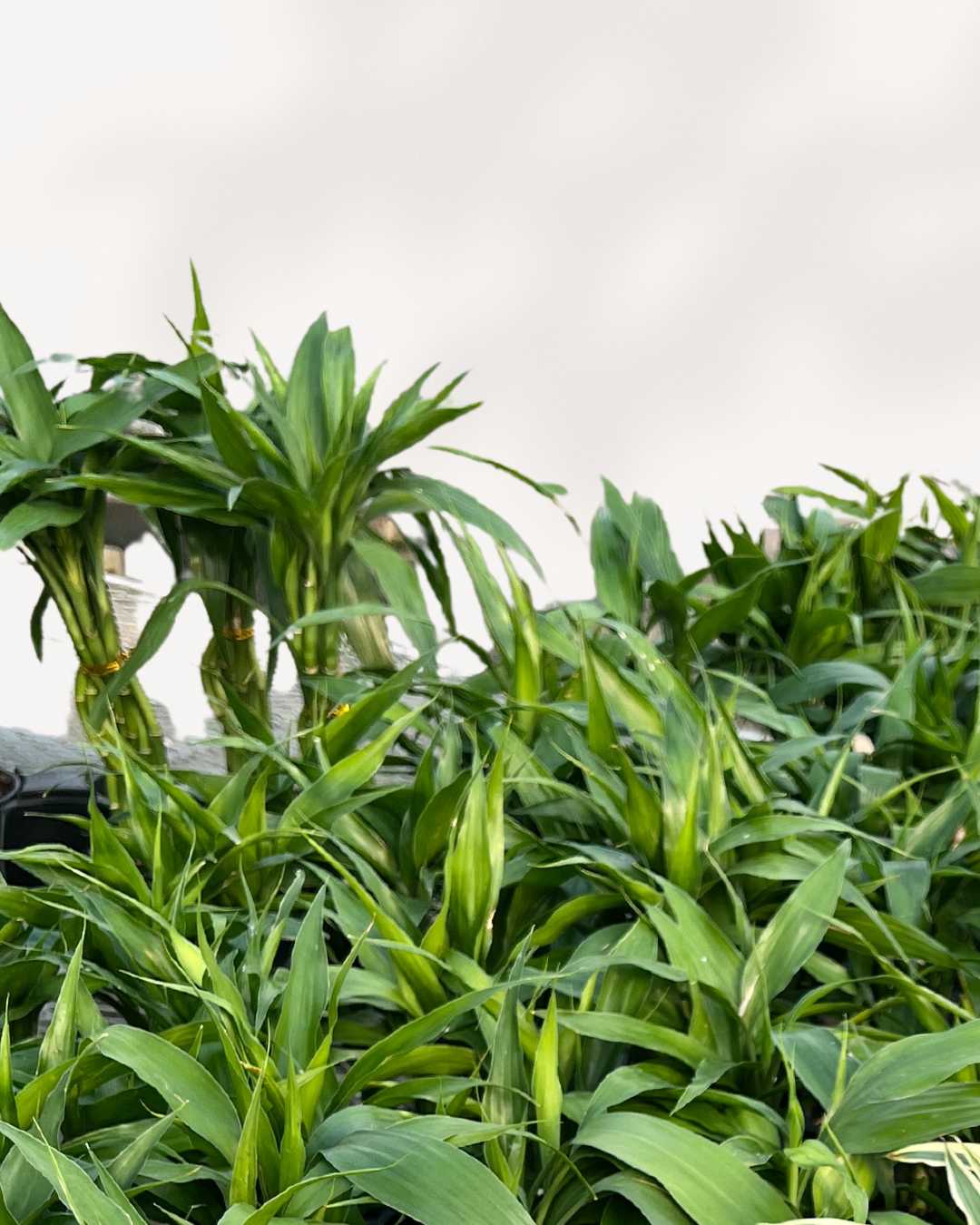
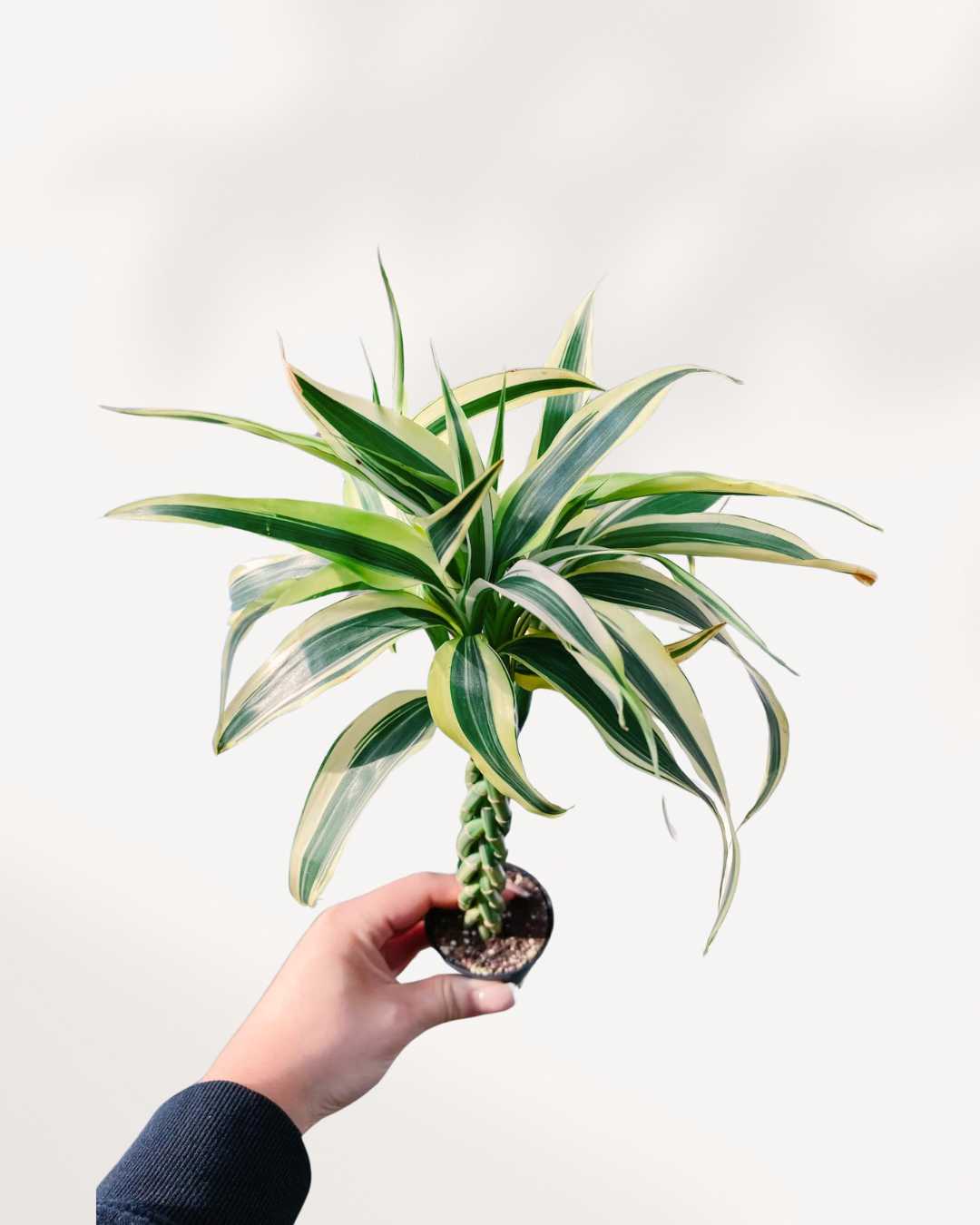
Lucky Bamboo (Dracaena sanderiana) is a tropical plant native to Central Africa, though it has been used in East Asian homes. Despite the name, it is not bamboo. Producing slender, jointed green stalks with lance-shaped leaves at the tips. Indoors, individual stalks reach 30 to 90 cm tall depending on how they are trained.
Other Plants You Might Like
Dracaena Limelight.
Snake Plant.
Pothos Golden.
Common Questions
Does Lucky Bamboo actually need to grow in water, or can it go in soil?
It can grow in both. In water, it needs pebbles or stones to keep the stalks upright, with the roots submerged and the stalks above the waterline. Change the water every one to two weeks to prevent algae. In soil, use a well-draining mix and treat it like most tropical houseplants. Water-grown plants are easier to manage in a Canadian apartment where drainage can be awkward.
Why are the stalks turning yellow?
Yellow stalks usually mean too much direct sun, fluoride or chlorine in the tap water, or the water level is too high and the stalks are rotting at the base. Use filtered or overnight-rested tap water to reduce fluoride buildup. Move the plant out of any direct afternoon sun and check that the stalks are not sitting in water above the root zone.
Is Lucky Bamboo toxic to cats and dogs?
Yes. The ASPCA confirms Dracaena spp. is toxic to cats and dogs. The stalks and leaves contain saponins, which cause vomiting, drooling, and lethargy if ingested. Keep it on a high shelf that pets cannot reach.
How much light does it need in a Canadian home?
Bright indirect light is ideal but Lucky Bamboo tolerates lower light than most tropical plants. An east-facing window or a spot a few metres from a south-facing window both work. Avoid direct afternoon sun, which yellows the leaves and scorches the stalks. Read our guide to light requirements for indoor plants to find the right spot.
Why are the leaf tips turning brown?
Brown tips almost always come from fluoride or chloride in tap water. Lucky Bamboo is particularly sensitive to both. Switch to filtered water or let tap water sit uncovered overnight before using it. Low humidity from forced-air heating in Ontario and Quebec homes in winter can also cause browning at the tips.
How to Take Care of Lucky Bamboo
Good to Know
Sun: Indirect
Sun: Indirect
Light: Low to bright indirect
Light: Low to bright indirect
Water: Change every 1-2 weeks (water-grown) or when top inch is dry (soil)
Water: Change every 1-2 weeks (water-grown) or when top inch is dry (soil)
Humidity: Tolerates average indoor humidity
Humidity: Tolerates average indoor humidity
Pet Friendly: No
Pet Friendly: No
Pro Tip
Pro Tip
What To Expect
Shipping and Delivery Details
Shipping and Delivery Details
Choose local GTA delivery, free Richmond Hill pickup, or shipping across Canada. Pick your delivery or pickup date at checkout, we'll have it ready and fresh for you. See full shipping and delivery details.
30-Day Happy Plant Guarantee
30-Day Happy Plant Guarantee
If your plant arrives damaged or isn't healthy, contact us within 30 days with a photo. We'll send a replacement or a full refund, and we cover return shipping.
View our complete guarantee policy
Frequently Asked Questions
Frequently Asked Questions
Certainly! If you're pondering about ordering plants online, you're not alone. We've compiled the most frequently asked questions. Check out our FAQ section here for quick answers! Happy planting!
Plant and Pot Size Guide
Plant and Pot Size Guide
4" Pot (Small): plant is approx. 6-10 inches tall. 6" Pot (Medium): approx. 12-18 inches tall. All plants come in a standard nursery pot. Decorative pots are sold separately.
Winter Shipping Protection
Winter Shipping Protection
Between November and March, you can add Winter Shipping Protection at checkout. It adds insulated packaging and heat packs to protect your plant from the cold in transit. Cold damage is only covered if it's added to your order.
You can add winter shipping protection at checkout.
Returns Policy
Returns Policy
If your plant arrives damaged, has pests, or starts to decline within 30 days, we'll send a replacement or a full refund, and we cover return shipping.
Change of mind, repotted or trimmed plants, and cold damage without Winter Shipping Protection aren't covered. See our full Return Policy
Plant care essentials
Everything you need to keep this plant thriving.


Hear From Happy Plant Parents.
Who have brought Mygreenscape plants into their homes.


