


Philodendron Pink Princess (Philodendron Erubescens) – Rare Variegated Houseplant
Philodendron Pink Princess (Philodendron Erubescens) – Rare Variegated Houseplant
20% off everything • 25% off + Free shipping over orders CA$165
Couldn't load pickup availability
Applied automatically at checkout. Valid 90 days.
Read more
About This Plant
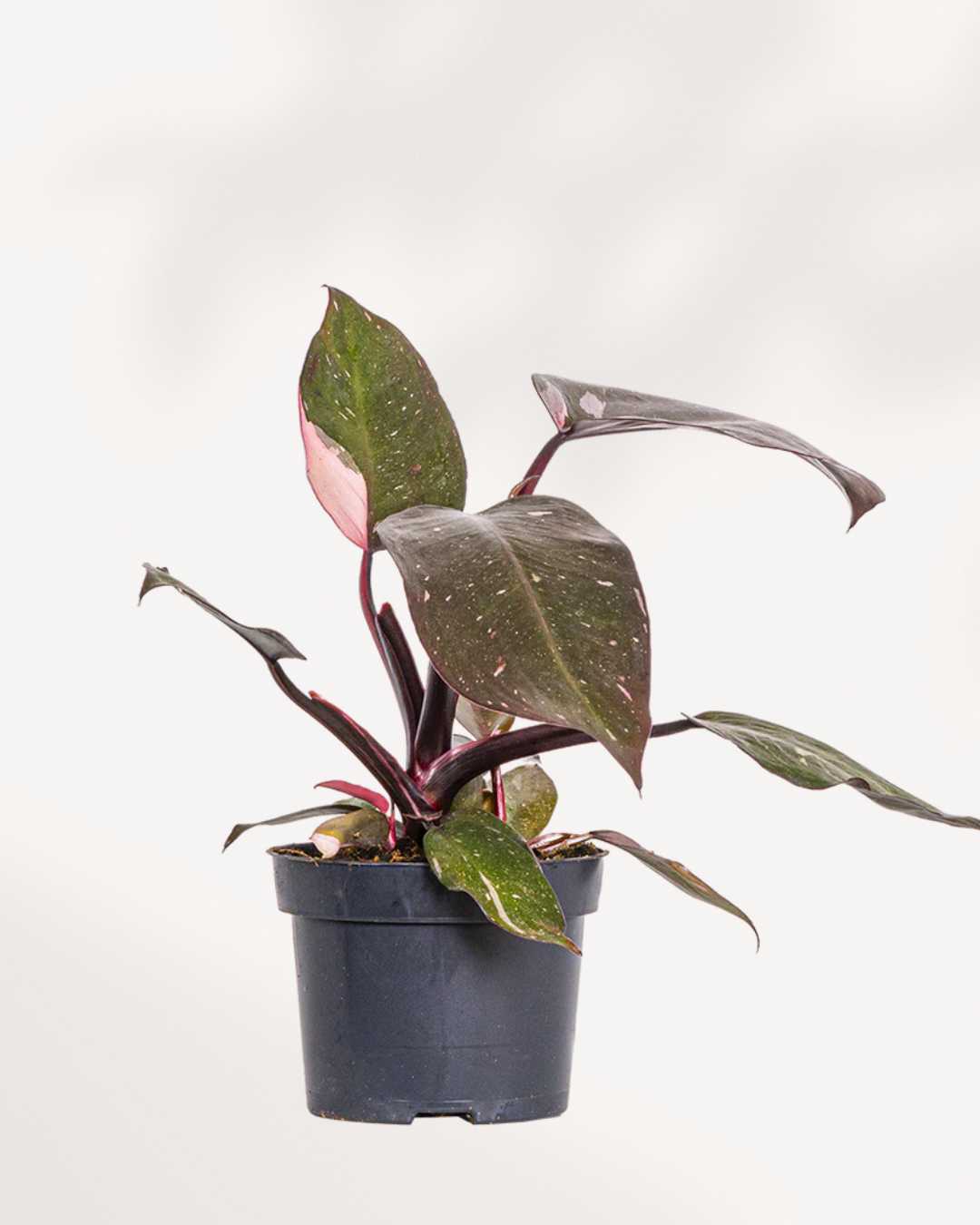
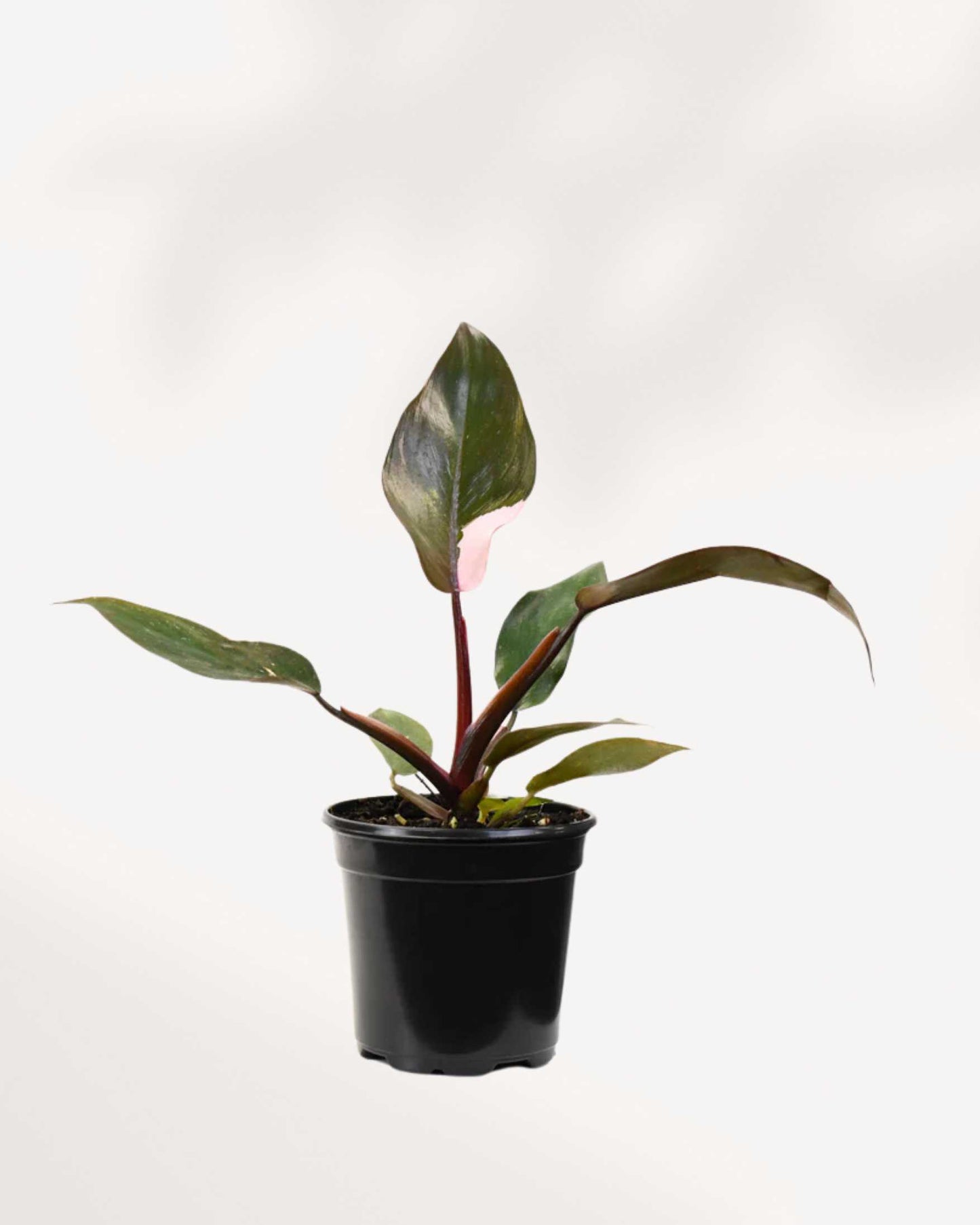
A cultivated hybrid of Philodendron erubescens, bred for its dark foliage and pink variegation. Toxic to cats, dogs, and children according to ASPCA. It climbs and produces larger leaves when given a moss pole, making it better suited to growers with some philodendron experience.
Other Plants You Might Like
Philodendron White Knight
Philodendron Ring of Fire
Philodendron Rojo Congo
Common Questions
Why is my Pink Princess losing its pink variegation?
The pink in Philodendron Pink Princess comes from areas with reduced chlorophyll. In low light the plant compensates by producing more chlorophyll, which pushes out the pink and results in mostly dark green new leaves. Move it closer to a bright window with indirect light. Direct sun will scorch the leaves, but filtered bright light is what keeps variegation strong. The plant light requirements guide covers how to assess the light level in different rooms.
Does Philodendron Pink Princess need a moss pole?
It does not need one to survive, but it grows noticeably better with one. Without support it stays compact and may trail. With a moss pole it climbs, produces larger leaves, and develops a more dramatic form over time. If you want it as a display plant, the pole makes a real difference. Attach new stems loosely as they grow and keep the pole damp to encourage aerial root attachment.
How often should I water Philodendron Pink Princess?
Wait until the top half of the soil has dried out before watering again. In a chunky aroid mix this is roughly every 7 to 10 days in the growing season and longer in winter. The chunky mix drains fast, so there is less risk of sitting water, but overwatering is still the main reason Pink Princess declines. When in doubt, wait another few days.
Is Philodendron Pink Princess rare?
It was harder to find several years ago but is now widely cultivated. What makes individual plants differ is the amount and pattern of pink on each leaf, which varies even between plants from the same grower. A plant with strong half-moon or even fully pink leaves is rarer than one with small pink flecks. The indoor plants guide has a section on trending collector plants including Pink Princess if you want more context on what to look for.
Can I propagate Philodendron Pink Princess?
Yes, by stem cuttings. Take a cutting with at least one node and one leaf, place it in water or a moist aroid mix, and keep it warm and humid. Roots typically emerge in two to four weeks. The variegation on new growth from a cutting is unpredictable and may produce more or less pink than the parent. For the best chance of maintaining variegation, take cuttings from stems that already show strong pink. See Monstera vs Philodendron for more on how philodendrons grow and propagate.
How to Take Care of Philodendron Pink Princess
Good to Know
Soil: Chunky aroid mix with bark, perlite, and potting soil
Soil: Chunky aroid mix with bark, perlite, and potting soil
Light: Bright indirect light; keeps variegation strong and growth active
Light: Bright indirect light; keeps variegation strong and growth active
Water: Top half of soil dry before watering; chunky mix drains faster than standard potting soil
Water: Top half of soil dry before watering; chunky mix drains faster than standard potting soil
Humidity: Above 50%; use a humidifier in Canadian winters
Humidity: Above 50%; use a humidifier in Canadian winters
Toxicity: Toxic to cats, dogs, and children; keep completely out of reach
Toxicity: Toxic to cats, dogs, and children; keep completely out of reach
Pro Tip
Pro Tip
What To Expect
Shipping and Delivery Details
Shipping and Delivery Details
Choose local GTA delivery, free Richmond Hill pickup, or shipping across Canada. Pick your delivery or pickup date at checkout, we'll have it ready and fresh for you. See full shipping and delivery details.
30-Day Happy Plant Guarantee
30-Day Happy Plant Guarantee
If your plant arrives damaged or isn't healthy, contact us within 30 days with a photo. We'll send a replacement or a full refund, and we cover return shipping.
View our complete guarantee policy
Frequently Asked Questions
Frequently Asked Questions
Certainly! If you're pondering about ordering plants online, you're not alone. We've compiled the most frequently asked questions. Check out our FAQ section here for quick answers! Happy planting!
Plant and Pot Size Guide
Plant and Pot Size Guide
4" Pot (Small): plant is approx. 6-10 inches tall. 6" Pot (Medium): approx. 12-18 inches tall. All plants come in a standard nursery pot. Decorative pots are sold separately.
Winter Shipping Protection
Winter Shipping Protection
Between November and March, you can add Winter Shipping Protection at checkout. It adds insulated packaging and heat packs to protect your plant from the cold in transit. Cold damage is only covered if it's added to your order.
You can add winter shipping protection at checkout.
Returns Policy
Returns Policy
If your plant arrives damaged, has pests, or starts to decline within 30 days, we'll send a replacement or a full refund, and we cover return shipping.
Change of mind, repotted or trimmed plants, and cold damage without Winter Shipping Protection aren't covered. See our full Return Policy


Plant care essentials
Everything you need to keep this plant thriving.


Hear From Happy Plant Parents.
Who have brought Mygreenscape plants into their homes.


