




Couldn't load pickup availability
Ponytail Palm – The Ultimate Easy-Care Statement Plant
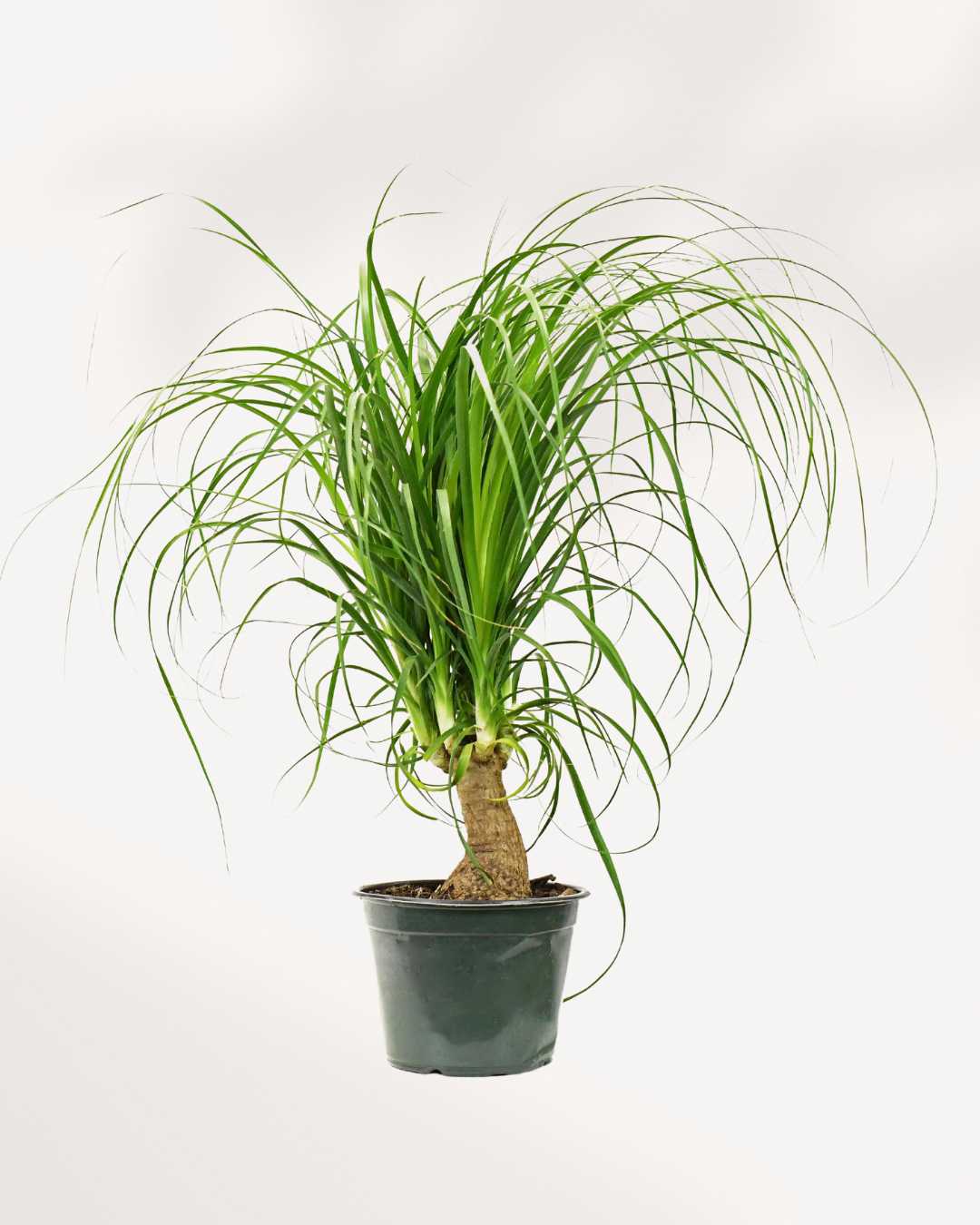
Add playful elegance to your space with the Ponytail Palm, a quirky and drought-tolerant favorite featuring a swollen base and cascading, ribbon-like foliage. Despite its name, this plant isn’t a true palm but delivers big on style and personality.
Why You'll Love Ponytail Palm
- 🎋 Dramatic, fountain-like foliage that draws the eye
- 🌵 Requires very little water—perfect for forgetful waterers
- ☀️ Loves bright, indirect light and tolerates direct sun
- 🐾 Non-toxic and pet-friendly
Common Names
- Ponytail Palm
- Elephant Foot Tree
- Bottle Palm
Botanical Classification
- Kingdom: Plantae
- Order: Asparagales
- Family: Asparagaceae
- Genus: Beaucarnea
- Species: Beaucarnea recurvata
Where It Comes From
Native to the arid regions of southeastern Mexico, the Ponytail Palm stores water in its thick trunk, making it highly drought-resistant and well-suited for modern homes.
A Whimsical Touch of the Desert
The Ponytail Palm has become a household favorite for its resilient nature and exotic look. It fits perfectly in minimalist, boho, and eclectic spaces, offering both charm and structure.
Why It’s So Popular
- Effortless maintenance makes it ideal for beginners
- Unique form adds sculptural interest to interiors
- Can live for decades with minimal care
- Pet-safe and family-friendly
What Does It Look Like?
Appearance
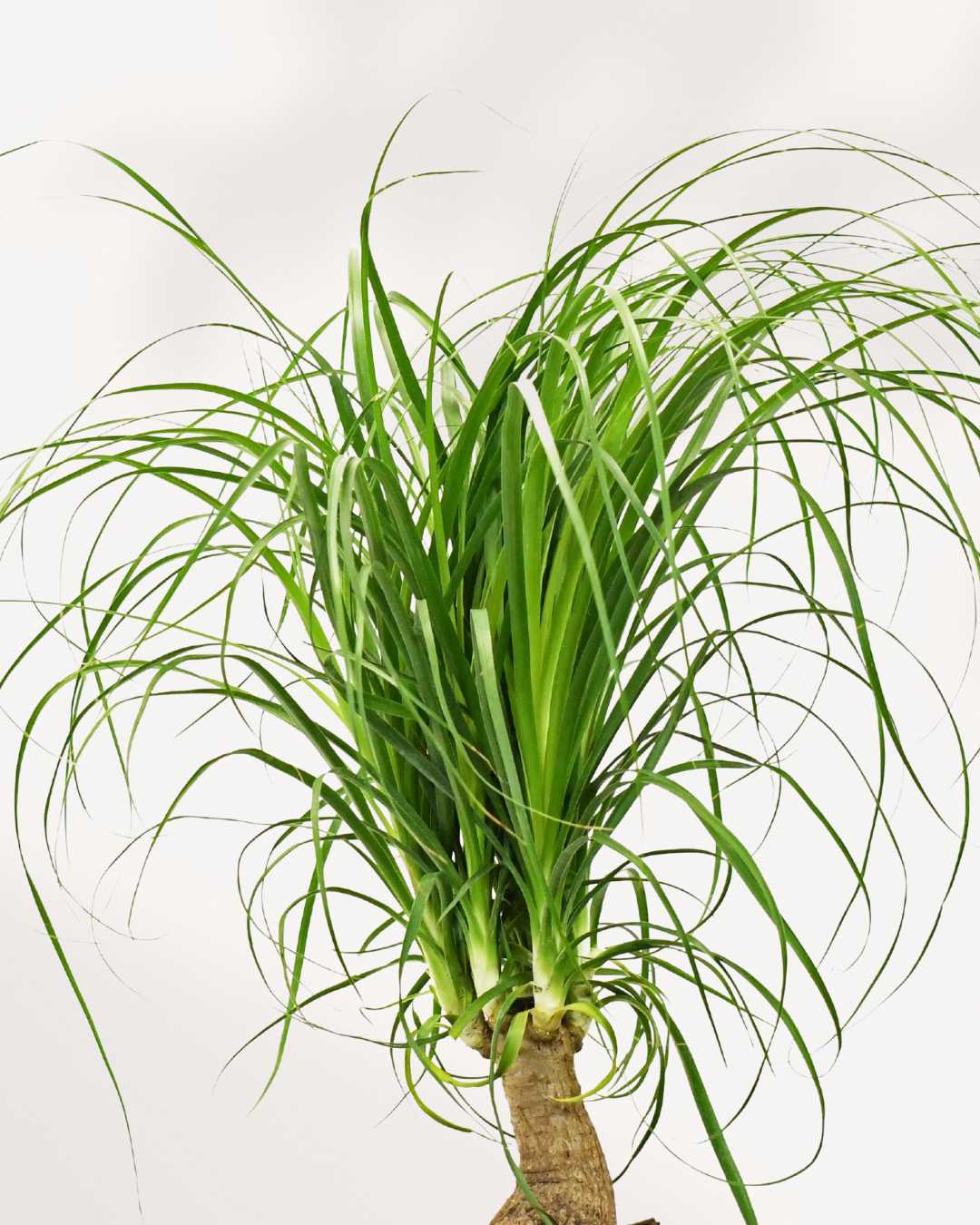
The Ponytail Palm features a thick, bulbous base that resembles an elephant’s foot, from which long, curly green leaves cascade like a ponytail. It’s truly one-of-a-kind.
Growth Habit
Though slow-growing, it can eventually reach several feet indoors. With proper care, it develops a strong, sculptural trunk and fuller foliage over time.
Popular Palm Varieties
Sago Palm
- A striking palm with a stout trunk and stiff, feather-like foliage.
Parlour Palm - Chamaedorea Elegans
- An elegant, compact palm perfect for low-light indoor spaces.
Areca Palm - Dypsis Lutescens
- Renowned for its feathery fronds and air-purifying qualities.
Majesty Palm
- Famous for its majestic, arching fronds that make a bold statement.
Dealing with Pests
Spider Mites
These pests can cause speckled leaves. Increase humidity and wipe leaves with a damp cloth or insecticidal soap. Learn More
Mealybugs
Look for cottony clusters in leaf joints. Dab them with alcohol-soaked cotton swabs or use neem oil. Learn More
Fungus Gnats
Caused by overwatering. Let soil dry out and use sticky traps. Learn More
Frequently Asked Questions
Is the Ponytail Palm a real palm?
No, it belongs to the Asparagaceae family but is called a palm due to its appearance.
How often should I water my Ponytail Palm?
Water every 3–4 weeks and always let the soil dry out completely in between.
Can it survive low light?
It prefers bright light but can tolerate moderate indirect light for short periods.
Is it safe for pets?
Yes! Ponytail Palm is non-toxic to cats and dogs.
Learn More About Palm Care
For detailed care instructions and tips to keep your Palm thriving, check out our Plant Care Library.
Bring Home the Charm
Add a touch of desert whimsy to your home with a Ponytail Palm. Its beauty and resilience make it a must-have.
Order Yours NowHow to take care of Ponytail Palm
Sun: Direct & Indirect
Sun: Direct & Indirect
Light: Medium
Light: Medium
Water: When mostly dry
Water: When mostly dry
Humidity: Low
Humidity: Low
Pet Friendly: Yes
Pet Friendly: Yes
Pro Tip
Pro Tip
Delivery Policy for Plant Condition
Delivery Policy for Plant Condition
"I have only received part of my order. What to do?
No worries if you've only got part of your order! Our plants come from different nurseries and might arrive in separate shipments, typically 1-2 days apart. It's all part of ensuring your green friends reach you in top-notch condition!
If you do not receive the remaining packages within 48 hours contact support at info@mygreenscape.ca
What is the Life Time Support?
Absolutely! Lifetime support means you can count on us whenever you have questions or uncertainties about your plant. Whether you're puzzled by its behavior or just want to ensure it's thriving, we're here for you. Connect with us on Instagram @mygreenscapeto or shoot us an email at support@mygreenscape.ca.
When it comes to our guarantee for plants shipped with standard or express, rest assured that we offer a 30-day happy healthy plant guarantee on all such shipments. This ensures that your plants are covered for 30 days after delivery, giving you peace of mind regarding their condition. If you have any concerns within this period, feel free to reach out to us for assistance.
For further details, please visit our Local Delivery, Store Pickup, Standard Shipping Guide Page.
What to expect
What to expect
Your plant will arrive in a standard nursery pot, typically 0.5" - 1" smaller than the stated size to seamlessly fit into your chosen decorative pot. Washable Paper Planter Bags are available for separate purchase.
Just like nature intended, each plant is unique, showcasing natural variations in size, shape, and characteristics. Our commitment is to deliver a plant that closely resembles the one featured on our website, matching your chosen size, and with the potential to thrive happily in your home.
Frequently Asked Questions
Frequently Asked Questions
Certainly! If you're pondering about ordering plants online, you're not alone. We've compiled the most frequently asked questions. Check out our FAQ section here for quick answers! Happy planting!
Plant & Pot Size Chart
Plant & Pot Size Chart
Choosing the right pot size for your plants can be a daunting task, especially if you're new to gardening. But fear not! Our pot sizes chart can help you find the perfect match for your plants, ensuring they have enough space to grow and thrive. With our guide, you'll be able to confidently choose the right pot size and plant variety for your gardening needs.
Plant Pot Size Guide.

| Extra Small | 7-10 cm | 2.5 - 3 inches |
| Small | 11-12 cm | 3.5 - 4 inches |
| Medium | 14-17 cm | 5 - 6 inches |
| Large | 19-21 cm | 8 - 10 inches |
| Extra Large | 24-27 cm | 12 - 14 inches |
All sizes are specified in product details.
Your Complete Guide to Pot Sizes: What Size Should You Choose?

When selecting a pot for your plant, it's important to find the right size. But with all the different options out there, how do you know which one is best? We're here to help!
MyGreenscape's pot sizes chart is a great resource for finding your perfect fit. Our easy-to-read chart takes out all the guesswork and helps you quickly choose the right size for your plant.
Smaller pots are best for seedlings or small plants just starting out. These tend to be shallow but wide, allowing enough room for the roots of the young plant but not too much where they get overcrowded. Medium-sized pots are ideal when your plant has grown from its infancy and is ready for more space. These are deeper and wider than small pots, so that it can accommodate larger root systems - making sure your plant gets enough nourishment while still giving it breathing room. Large pots are top choice if you have an established plant in need of lots of space - think trees and large shrubs! The spacious depth and width allow plenty of room for deep root systems without struggling for air or light.
No matter what size you choose, MyGreenscape has got you covered, with our pot sizes chart guaranteeing you find the perfect fit every time!
Winter Shipping Protection
Winter Shipping Protection
We take extra care with each package during the colder months. For destinations experiencing cold weather, we provide insulated packaging and heat packs as needed to protect your plants from freezing temperatures. With Winter Shipping Protection, your plants are equipped to arrive safe and sound, even in winter’s chill.
Care Guide
Care Guide
Explore essential care tips. check out our Comprehensive Resource for Indoor Plant Care.

WATERING MADE EASY
Check soil moisture before watering and use a potting mix that drains well. It’s the secret to healthy, happy plants!
Hear From Happy Plant Parents.
Who have brought Mygreenscape plants into their homes.