
Aloe Vera Plant Care Guide: Everything You Need to Know
You can keep aloe vera in its best growth with just 3 rules:
- bright light
- Bone-dry soil,
- And watering every 2-3 weeks.
That's it.
Most people kill their first aloe by doing the exact opposite, watering weekly like a regular houseplant.
In fact, overwatering is actually the number one killer of succulents. The leaves store their own water supply, so your helpful watering routine becomes their death sentence.
Learn these three fundamentals, and you'll have a plant that practically cares for itself for decades.
But..
Read this guide to get all those quick help tips so you can take care of your Aloe Vera Plant really well. Yes, really well…
A Quick Look at Aloe Vera Care
Don’t have enough time? Here is the entire aloe vera plant care guide in just 5 points:
- Light: Place in bright, direct sun, near a south or west window indoors, and exposure to full sun for at least 6 hours daily.
- Water: Water deeply only when the soil is completely dry or every 2-3 weeks in the growing season.
- Soil & Pot: Use well-draining cactus/succulent mix in a pot with drainage holes.
- Temperature & Care: Keep 55-80° and protect from frost. Skip fertilizer or use a diluted one in spring/summer.
- Where to buy an aloe vera plant: Place an order at MyGreenScape for a fresh Aloe Vera. Order now to get a free delivery across Ontario, Quebec, and a 30-day happy plant guarantee.
Alright, it’s time for a detailed care guide for your aloe vera plant:
Everything You Need to Know About the Aloe Vera Plant
But wait..
Before the care guide details, check these Aloe Vera plant types and their care guide - thought this may help you:
|
Common Name |
Types/Variants |
USDA Hardiness Zones |
Quick Care |
|
Aloe Vera |
Medicinal Aloe, True Aloe |
9–11 |
Full sun to part shade; water every 2–3 weeks in summer, monthly in winter; gritty, well-draining soil |
|
Aloe Vera |
Variegated, Chinensis |
9–11 |
Bright light; let soil dry fully between waterings; avoid cold below 50°F |
|
Aloe Vera |
Miniature, Dwarf hybrids |
Indoor or 10–11 |
Indirect bright light; water sparingly; use cactus mix in small pots |
|
Aloe Vera |
Outdoor landscape forms |
9–11 |
Full sun; deep but infrequent water; protect from frost |
Aloe Vera Basic Care Guide
Aloe vera needs are straightforward but still very specific. If you want to know how to care for an aloe vera plant, the following sections answer this question in detail:

How Much Light Does Aloe Vera Need?
Aloe vera survives in plenty of light, so you must provide bright and indirect light year-round. If you are a beginner, we have covered different types of light for plants in our detailed guide as well. Moving forward, a sunny south- or west-facing window works well, but avoid direct midday sun, which can scorch the leaves.
If moving an indoor aloe outdoors, gradually adjust it to the new environment to prevent sunburn. With indoor aloe vera plants, ensure they receive at least 6 to 8 hours of bright light. If leaves begin to droop or stretch, it’s a sign the plant needs more light. In winter or low-light homes, supplement with a grow light to keep the aloe healthy.
|
Note: If you are looking for plants that can grow in low light, aloe vera may not be the best fit for you. Instead, you can explore our diverse range of low-light plants to find something suitable for you. |
How Often Should You Water Aloe Vera?
Aloe vera stores water in its leaves, so it doesn’t need frequent watering. Give it a deep soak, then wait until the soil is completely dry before watering again. This usually means every 2 to 3 weeks during warm months and even less in winter. You can also buy moisture meters for plants to stay informed about the water requirements of your aloe vera plant.

Too much water can rot the roots, so it’s safer to water less often. Check the soil about two inches deep, and if it’s dry, it’s time to water. On the other hand, only water 2 to 3 times the whole season when it's winter.
|
If you are keeping your aloe vera plant indoors, do read our Beginners' Guide to Indoor Plant Watering. |
What Are the Ideal Humidity Levels for Aloe Vera?
Since Aloe vera is a desert plant, it prefers relatively low humidity. Optimal humidity for aloe vera is around 40 to 50%. This humidity range is neither too damp nor too dry, which keeps the roots healthy.
High humidity can prevent an aloe from evaporating moisture, which increases the risk of rotting. Likewise, extremely dry air with less than 30% humidity can make leaves shrink. So, keep your aloe in an area with normal humidity and good air circulation
What Temperature Is Best for Aloe Vera Growth?
Keep temperatures between about 55°F and 80°F, which is 13 to 27°C, for optimal growth of your aloe vera plant. On the other hand, temperatures above 85°F or below 50°F may stress it.

Another thing worth noting is that aloe can handle slightly cooler nights but doesn’t like the cold. If temperatures drop below 50°F, the plant may get damaged. Apart from these temperature guidelines, keep your aloe away from cold drafts, air conditioners, or heaters.
What Type of Soil and Fertilizer Does Aloe Vera Need?
Aloe vera grows best in loose and fast-draining soil, like desert sand. You buy a natural plant fertilizer, or make your own by adding perlite or sand to regular soil. This keeps water from sitting too long around the roots.
You also need to avoid using regular potting soil alone, as it holds too much moisture and can cause rot. If you need suggestions, we would say the Terracotta pots work best because they let extra water evaporate. Additionally, if you need to keep the aloe vera plant inside, it is recommended to get an indoor plant potting mix to ensure it receives the required nutrients.
 Areca Palm
 Parlor Palm
 Boston Fern
 Money Tree
 Ponytail Palm
 Prayer Plant
 Cast Iron Plant
 Peperomia Watermelon
 Baby Rubber Plant
 Hoya Plant
Advanced Aloe Vera Care
Once the basic needs that we have shared above are met, you can fine-tune your care. The steps below explain the advanced tasks like pruning, repotting, and propagation:
How to Prune and Repot Aloe Vera the Right Way?
Pruning is the process of removing branches or stems from a plant to improve its health. It has a significant impact on aloe vera’s growth, as indicated in research by Agri Bio Journal. Pruning and repotting are performed together to promote a plant's health by balancing the top growth with the root system.
Here is a simplified guide that explains how to prune and repot aloe vera without damaging it:
Step 1: Start by pruning off any dried or damaged leaves close to the base using a clean pair of long scissors. You can also remove old flower stalks.

Step 2: A few days before repotting, water the aloe lightly so the soil is slightly moist. Choose a terracotta pot that’s just a bit bigger than the old one and has drainage holes.

Step 3: To remove the plant, gently loosen the soil by tapping the pot or sliding a knife around the edge. Support the base and lift it out carefully.

Step 4: Add a thin layer of fresh succulent mix to the new pot, then place the aloe so its roots sit just above the rim. Fill in the gaps with soil and press lightly.

Step 5: Wait about a week before watering again to let any cuts heal. Keep it in bright light and resume normal care once it looks settled.
Before choosing a pot for your plant, go through our guide on choosing the right containers for your houseplants.
How Can You Propagate Aloe Vera Successfully?
It is easy to propagate aloe vera, especially by separating and replanting its pups or baby plants. Although the process is simple, you still need to take care of a few things. Since it can get confusing, here is a detailed guide to help you in this regard:
Step 1: Mature aloe plants grow small baby plants called pups around their base. Wait until these pups are about 4 to 6 inches tall and have small roots before removing them.

Step 2: To separate them, loosen the soil gently and use a clean knife or trowel to detach each pup from the main plant. If the pot is crowded, take the whole plant out for easier access.

Step 3: If a pup has long leaves, you can trim them a little. Let the pup rest for a day so the cut ends can dry and form a callous.

Step 4: Plant each pup in a small pot with dry and well-draining succulent soil. Keep the depth the same as before, and choose a shallow pot since aloe roots are short. Once again, you must ensure the pot has drainage holes.

Step 5: After planting, choose an ideal spot for your plant, which is usually a bright spot with indirect light for aloe vera. Wait about a week before giving a light watering. They’ll usually start growing new roots and leaves within a few weeks if kept warm and slightly dry.
Practical Aloe Vera Tips for Home Gardeners
With the above guidance, you can easily prune and propagate your aloe vera plants. However, to ensure proper aloe vera plant care, here are a few additional tips:
- Water limits: Give the aloe vera plant a full soak, then let the soil dry before watering again. During summer, water every one to two weeks, but only once a month in cooler months.
- Feed lightly in spring: Use a diluted and balanced fertilizer once in spring and once in early summer. However, you need to avoid feeding during fall and winter when the plant naturally slows down its growth.
- Watch for pests: Mealybugs or mites can harm aloe if ignored, so inspect the leaves regularly. Wipe affected spots gently with rubbing alcohol or get plant pesticides and separate infected plants to stop the spread.
- Harvest mature leaves only: Cut outer leaves close to the base once they’re thick and full of gel. On the other hand, leave the younger inner leaves to grow so the plant stays strong and balanced.
- Repot every few years: Move aloe to a slightly larger pot every two to three years for healthy root growth. That’s because refreshing the soil prevents compaction and gives the plant more nutrients to grow.
|
Related: Struggling with pests destroying your plants? Read our guide on dealing with pesky mealybugs. |
Discover Our Indor Plant Collection 🌿
Explore indoor plants that fit easily into bedrooms, living rooms, offices, and cosy corners across your home.
Explore NowCommon Aloe Vera Problems and Fixes
While the above aloe vera plant care guidance helps ensure it grows without any issues, you can still face a few problems that can risk its survival. Below are frequent issues with aloe plants, what causes them, and how to fix them:
|
Problem |
Explanation |
Solution |
|
Root rot or stem collapse |
Soil stays too wet, roots rot |
|
|
Crowded or root-bound pot |
Roots lack space, or the soil is too compact |
|
|
Salt buildup or brown spots |
Minerals accumulate on the leaf surface |
|
|
Fungal disease |
Humid conditions, poor air circulation |
|
|
Pest infestation |
Sap-sucking insects weaken plants |
|
How to Care for Aloe Vera in Different Seasons?
As the seasons change, aloe vera plants will require different care mechanisms to survive. Let’s walk through how summer and winter differ in terms of what your plant needs, and then you’ll have clear steps to follow:
Aloe Vera Plant Care in Summer
Aloe vera becomes active in warm months and can often go outside if conditions allow. Here are a few aloe vera plant care tips to ensure its survival in summer:

- Move your aloe outdoors or into a sunny spot gradually to avoid sunburn.
- Increase watering because the soil will dry out faster in the heat and bright light.
- Ensure the soil remains very well-draining and never sits in puddles after rain.
- Provide a bit of fertilizer during this growing season if you wish, but keep it light.
- Monitor for signs of stress from full sun, and if leaves begin to brown or curl, move to bright shade.
Aloe Vera Plant Care in Winter
When days shorten and temperatures drop, aloe slows down and enters a rest phase. In such a case, follow the given tips to take care of the plant:

- Place your aloe in a bright but cool indoor space to avoid the cold.
- Water very sparingly, usually only when the soil is bone dry and the plant shows signs of thirst.
- Stop fertilizing entirely during these dormant months to avoid forcing growth.
- If your area is cold, keep the plant indoors or in a frost-free zone.
- Maintain good light because low light plus cold can cause weak growth despite dormancy.
Tips on how to take care of an Aloe plant
byu/wundervalll inhouseplants
Conclusion
Your aloe vera will survive when you meet its essential needs, such as light, warm temperatures, and well-draining soil. Along with that, you need to adjust care for each season by giving it a rest period in winter, and keeping the environment dry for healthy growth.
With attention to these factors and proper aloe vera plant care, you’ll have a healthy plant that requires low maintenance.
|
Convinced to get an aloe vera plant? Get it at the cheapest rate from here or explore our plant collection. |
Frequently Asked Questions
Q1. Are aloe vera easy to care for?
Yes, the Aloe vera is considered a low-maintenance houseplant and is ideal for beginners. The plant survives with minimal watering and simple conditions, as long as it gets enough light.
Q2. Can I cut off a leaf for aloe vera gel?
You can remove a mature outer leaf from the aloe vera plant and still expect it to continue growing. Just make a clean cut at the base, and the plant will keep producing new leaves.
Q3. Can aloe vera survive without sunlight?
No, aloe vera needs bright light to maintain healthy and plump leaves and compact growth. In low-light conditions, the plant becomes weak, leggy, and may suffer root or soil problems.
The Positive Impact of Plants
-
Plants and Healing
Working with plants soothes the mind. It feels calming and healing, offering a peaceful break from daily life.
-
Plants for Recovery
Being around plants can speed up healing from sickness, making you feel better quicker in a natural way.
-
Plants and Work
Plants in your space may make your work better and faster, enhancing focus and creativity during tasks.
LETTING CUSTOMERS SPEAK FOR US!
Shop by Feature
-

Pet Friendly Plants
Not all houseplants are safe for pets, but you can still enjoy...
-

Air Purifying Plants
Improve indoor air quality naturally with our quality air-purifying plants. These plants...
-

Easy Grower Plants
Premium easy grower houseplants shipped fresh across the GTA. Perfect for beginners....
-

Low Light Plants
Want to bring life to spaces that don’t get enough sunlight? Explore...


FAQs for Plant Delivery in Ontario & Quebec
What types of house plants do you offer for delivery.
We offer a wide variety of houseplants for delivery. Here are some of the popular options: Aglaonema, Alocasia, Calathea, Hoya, Monstera, Palm, Peperomia, Philodendron, Pothos, Sansevieria Snake, Syngonium, Tradescantia.
What is the lifetime support?
All plants purchased from our store or through our workshops come with lifetime support. This means that whenever you have questions or concerns about your plant, we're here to help. Whether you're unsure about your plant's health or need advice, we can assist in identifying problems, answering your questions, and potentially saving your plant. Feel free to reach out to us on Instagram @mygreenscapeto or via email at support@mygreenscape.ca.
Where do MyGreenScape plants come from?
Our plants embark on a journey from various greenhouses across Canada. We prioritize short delivery routes to ensure your plant arrives happy, healthy, and full of vitality.
Do I have to repot my plants once they arrive?
Absolutely not! When your plant arrives, give it time to settle into its new home. Place it in the desired spot, and let it acclimate for about two weeks.
-

UNBEATABLE QUALITY
We source directly from top-rated growers, so we can sell the finest quality plants at the very best prices.
-

FREE DELIVERY
On qualifying orders,
typically arriving within 72 hours in the GTA
and 2–4 business days elsewhere.
-

LIFETIME PLANT SUPPORT
On all our plants purchased. If you have any questions or concerns don't hesitate to contact us!
-

HAPPY PLANT GUARANTEE
Your happiness is our top priority, which is why we offer a unbeatable 30-day satisfaction guarantee.


Favorite in our plant shop
-
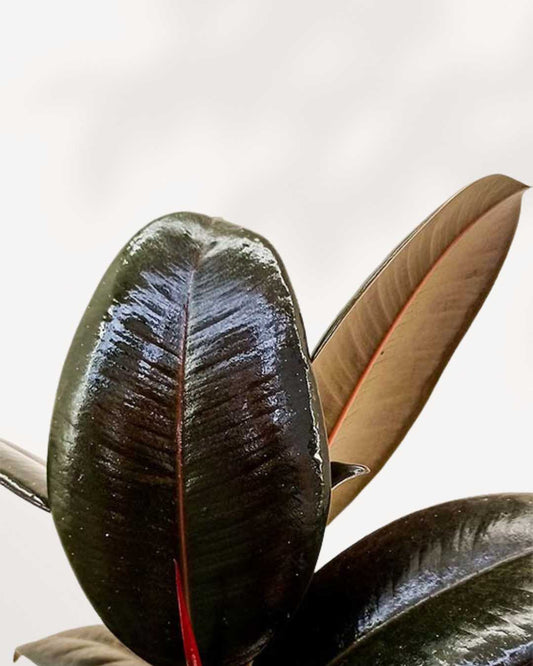
Ficus Elastica Burgundy
Regular price From $16Regular priceUnit price per -
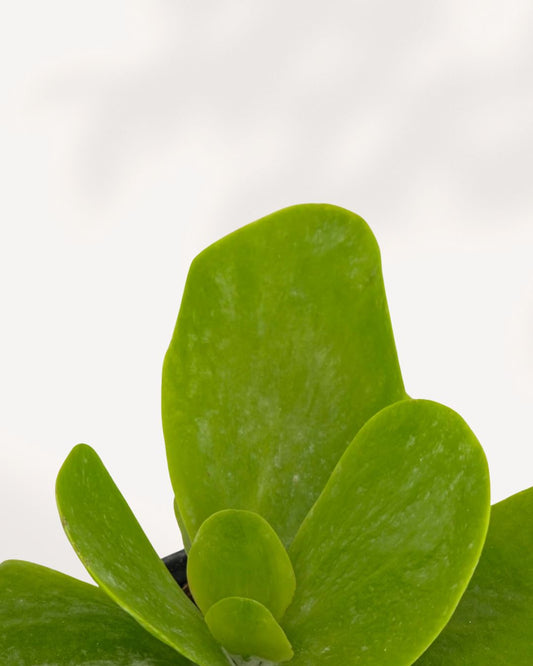
Kalanchoe Thyrsiflora Flapjack
Regular price $18Regular priceUnit price per -
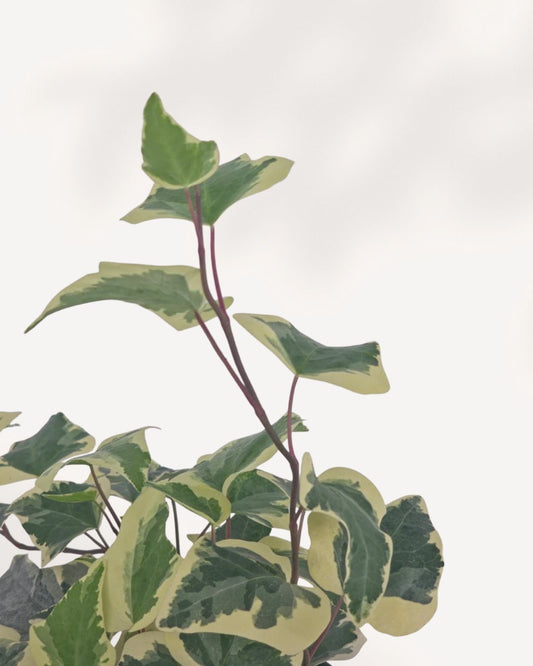
Ivy Marengo
Regular price From $10Regular priceUnit price per -

 Join Waitlist
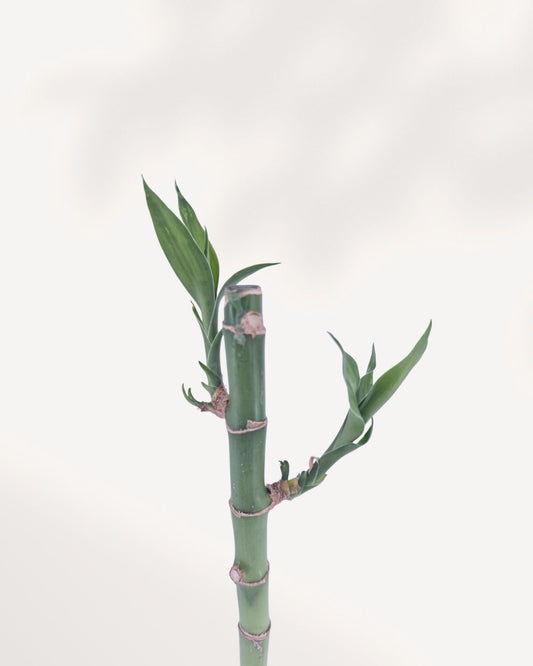
Lucky Bamboo Stem
Regular price $10Regular priceUnit price per -
Dracaena Fragrans Massangeana
Regular price $40Regular priceUnit price per -
Dieffenbachia Tiki
Regular price $15Regular priceUnit price per -
Anthurium Hookeri
Regular price $45Regular priceUnit price per -
Monstera Bulbasaur
Regular price $150Regular priceUnit price per -
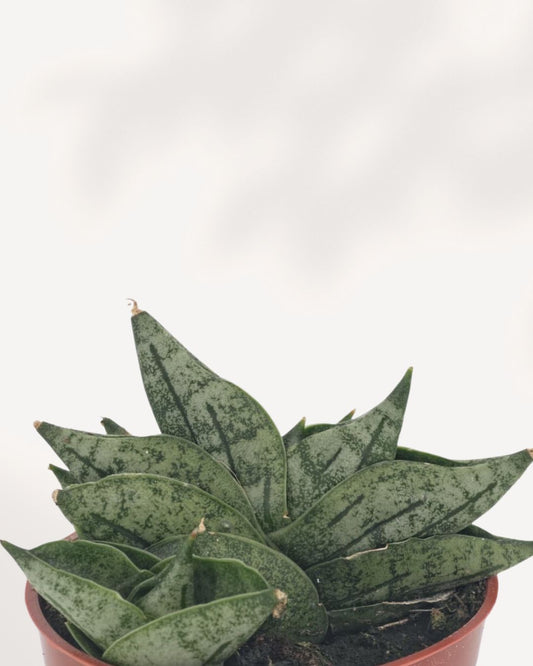
Sansevieria Dwarf Boncel Starfish
Regular price $8Regular priceUnit price per -
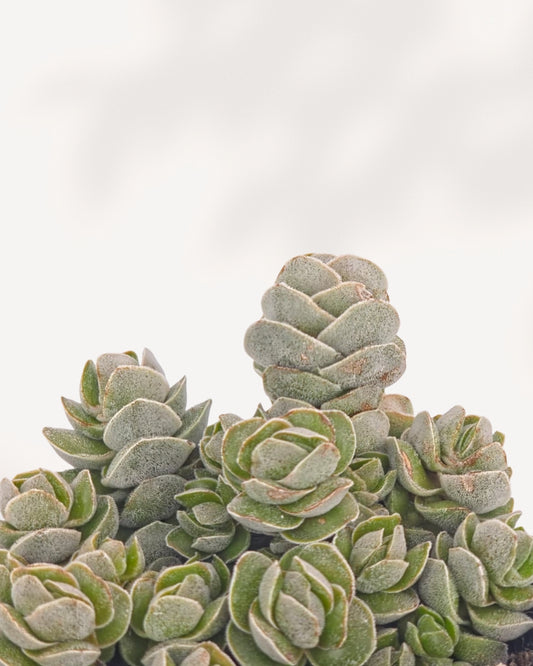
Crassula Ivory Pagoda
Regular price $28Regular priceUnit price per -
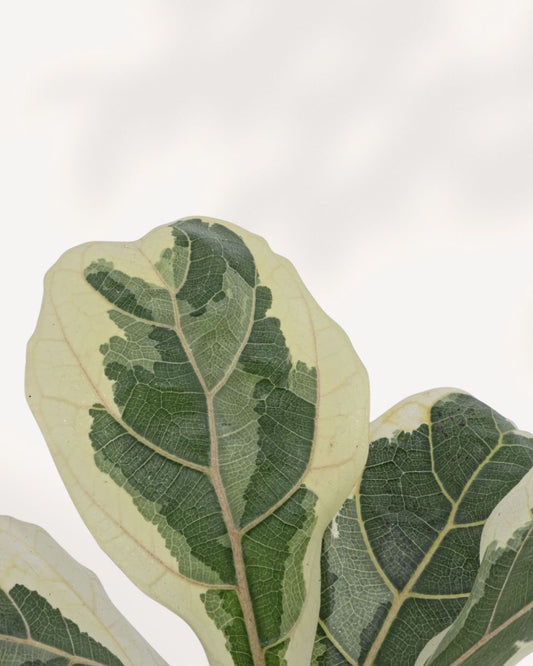
Fiddle Leaf Fig Variegated
Regular price $45Regular priceUnit price per -
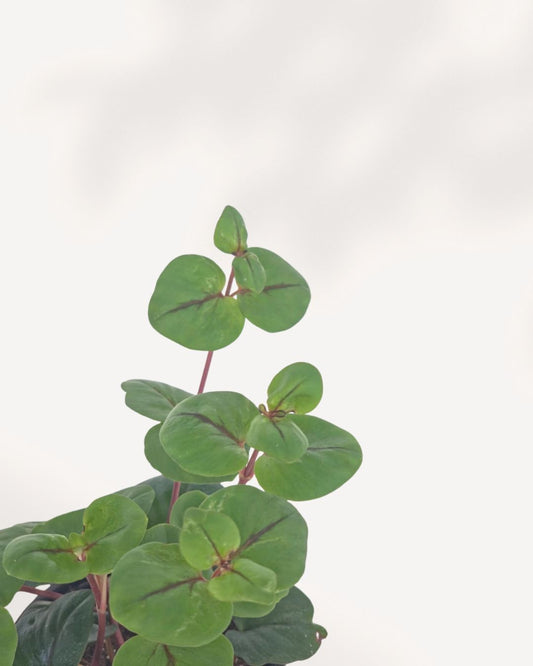
Creeping Jenny - Lysimachia
Regular price $10Regular priceUnit price per












Learn from Blog's
View all-

Snake Plant vs ZZ Plant: Two Plants Even Plant ...
People kill both of these plants by watering them normally. The ZZ stores water in underground rhizomes that look like potatoes. The snake plant stores it in its leaves. Overwater...
Snake Plant vs ZZ Plant: Two Plants Even Plant ...
People kill both of these plants by watering them normally. The ZZ stores water in underground rhizomes that look like potatoes. The snake plant stores it in its leaves. Overwater...
-

5 Easy Indoor Plants You Won't Kill in a Canadi...
Beginner plants dying in Canadian homes has nothing to do with light or neglect. It's water. Too much of it, especially from November to March when the soil takes twice...
5 Easy Indoor Plants You Won't Kill in a Canadi...
Beginner plants dying in Canadian homes has nothing to do with light or neglect. It's water. Too much of it, especially from November to March when the soil takes twice...


MyGreenScape is your go-to online shop for indoor plants in cities Ontario or Quebec, including Toronto, Montreal, and many more. Our mission is to add joy to your home, one leaf at a time. Explore our range of beautiful, air-cleaning plants from the comfort of your home. You can find beautiful indoor plants, pots for plants, garden tools, and hanging basket plants all in one spot. Our mission is to add joy to your home, one leaf at a time.
Buying plants online with us means no more carrying heavy pots or figuring out how to get big plants home. We deliver straight from the gardener to you, with eco-friendly packaging, across Ontario and Quebec. Expect your new green friends within 2-7 days.
Why choose MyGreenScape? Here’s why:
- Lifetime Support: We’re here for you always. Get all the help you need for your plants to flourish.
- 30-Day Happy Plant Guarantee: Not happy with your plant? Tell us within 30 days, and we’ll fix it.
- Easy Delivery: Fast, direct to your doorstep in Ontario or Quebec.
Hear from a happy customer, Sarah T.: "Buying plants was never easier. Quick, simple, and with great support from MyGreenscape."
Ready for easy, stress-free plant shopping? Visit us now and make your home greener. Join MyGreenScape for a hassle-free way to bring nature inside.