


Banana Plant Care: A Complete Guide For You
Many people complain that their banana plants are suffering from Sun stress. The issue arises when you directly place the plant in the sunlight.
If you are also facing issues like the above, this guide is all you need. A quick tip to take care of your banana plant is to put it under a sunshade for better health.
Read this article to learn more helpful tips like these to get rid of issues like leaves burning, yellowing, and root rot.
And if you are interested in indoor plants, you may also visit our site to explore some air-purifying plant options.
Read more to learn about its types, propagation steps, potting as well as repotting details.
Part 1: How to Take Care of Banana Plant?
Taking care of the banana plant is no big deal. You just need to follow the proper steps to make your plant thrive. Let us share some quick banana plant care hacks with you.
- Clean the plant leaves occasionally with a damp cloth to keep them healthy.
- Adjust water drainage to avoid leaves from yellowing.
- You can just cut down the brown and crisp leaves to remove them.
- Apply insecticides around the planting hole to prevent plant pests.
Overview of the Banana Plant
| Characteristic | Details |
| Common Name | Banana Plant |
| Botanical Name | Musa spp. |
| Family | Musaceae |
| Plant Type | Perennial Herb |
| Mature Size | 10–30 ft tall, 6–15 ft wide (varies by variety) |
| Sun Exposure | Full Sun |
| Soil Type | Well-draining, loamy, rich in organic matter |
| Soil pH | Slightly acidic to neutral (5.5–7.0) |
| Bloom Time | Seasonal varies by climate |
| Flower Color | Yellow, Purple, Red |
| Hardiness Zones | 9–11 (USDA), tropical and subtropical regions |
| Native Area | Southeast Asia |
Care Tips for Banana Plant:
Light:
- Place your plant in bright, indirect light for 6 to 8 hours each day.
- Rotate the plant to get even light and to ensure even growth.
- You can also explore some low-light indoor plants and cat-friendly plant options on our site.
A complete list of safe, low-light plants for cat-friendly spaces is available under our collection of pet-friendly plants.
Watering:
- Keep the soil moist but not soggy by watering 2-3 times per week in summer, reduce the amount in winter..
- Use room-temperature water to keep the roots of plant healthy.
- Water the plant when 1 to 2 inches of soil feel dry. You can use our moisture meter to accurately monitor your plant's soil conditions.
- Read our detailed guide to learn if your banana plant requires distilled water or tap water.
Soil:
- Use a well-draining soil mix that includes peat, perlite, and compost; for best results, use high-quality soil by visiting our soil and fertilizers collection.
- Aim for a slightly acidic to neutral pH (5.5–7.0).
- Avoid heavy, clay-based soils.
- Refresh the soil annually to add nutrients.
Temperature and Humidity:
- Keep the temperature between 75°F and 95°F; do not let it drop below 57°F.
- Protect plants from cold drafts and sudden temperature drops.
- Maintain humidity above 50% by misting leaves or using a humidifier.
- Group plants together to naturally boost humidity, 60-90% humidity is ideal.
Fertilizer:
- Use balanced liquid fertilizer (10-10-10) once a month in spring and summer.
- Read our guide to choosing the best fertilizer for your banana indoor plant.
- Dilute to half-strength to avoid burning the plants.
- Stop feeding in the fall and winter, and fertilize every 2-4 weeks in the growing season.
All details are covered in the Indoor Plant Fertilizer Buying Guide.
Pruning:
- Trim any dead or yellow leaves from the base.
- Cut off damaged leaves to help the plant use its energy better and to provide better support to your plant; you must use quality gardening tools to ensure your plant stands upright.
- Remove extra pups (offsets) to focus on the main plant.
- Sterilize your tools to prevent plant diseases.
A complete breakdown of tool types, their uses, and how they help with healthy plant care is in the garden tools guide.
Part 2: How to Propagate Banana Plant?
A banana plant grows pups when it's happy in your house, which means it's time for propagation. Before you propagate, make sure that the pup is big enough to survive by itself without the mother plant. Ensure that it has a minimum of five leaves and is around 40 cm in size. Before propagation make sure that the tools you will be using are cleaned with hot water or sterilized.
Step-by-Step Guide:
Identify & Separate Pups
- Remove the plant from the pot and look for small pups that have their own roots.
- Use a clean, sharp knife to remove the pup, ensuring the cut is as close as possible to the mother plant.
Root in Soil
- Plant pups in a well-draining soil mix (peat, perlite, and compost).
- Water lightly to keep the soil moist, but avoid making it soggy.
Transplant & Stabilize
- Keep new pups in bright, indirect light to strengthen them.
- Avoid disturbing the roots for 4–6 weeks to help them establish.
Pro Tip: Use rooting hormone on the pup's cut end and the plant’s open wound to avoid fungal infection!
Potting and Repotting Banana Plant
As the banana plant grows in size, its roots need more space to spread. Potting and repotting help with this. Repot your plant once every 2-3 years or when you see the roots taking up all the space and coming out of the drainage hole.
Everything you need to know about choosing the right containers is covered in the pots & planters guide.
| Aspect | Potting | Repotting |
| Pot Selection | Use a large pot (12–15 inches) with drainage holes. Larger varieties need bigger pots over time. | Select a pot 2–3 inches larger with good drainage to accommodate root growth. |
| Soil Mix | Use well-draining, nutrient-rich soil (loamy soil + compost + perlite + sand). Organic matter like peat moss or aged manure improves fertility. | Refresh with nutrient-rich, well-aerated soil to support healthy growth. |
| Planting Depth | Position the plant so the crown is above soil level to prevent rot. Avoid compacting the soil. | Maintain the same depth as before. Do not bury the base too deep. |
| Watering | Water thoroughly after potting, keeping the soil moist but not soggy. Ensure good drainage. | Water moderately after repotting, keeping the soil evenly moist but avoiding excess water. |
| Sunlight | Needs 6–8 hours of direct sunlight. Place in a bright, warm spot, protected from strong winds. | Keep in partial shade for a few days, then gradually return to full sun. |
| Growth Check | Monitor for strong leaf and root growth. Repot every 1–2 years or when roots become crowded. | Repot the plant if roots emerge from drainage holes, growth slows, or soil compacts. |
| Root Care | Cover roots with soil, ensuring proper aeration. Avoid water retention. | Loosen compacted or circling roots, trim damaged ones, and replant in fresh soil. |
Note: Banana plants thrive in high humidity. Use a pebble tray or humidifier to ease their transition!
Post-Repot Care for Banana Plants
- Wait 3–4 days to water after repotting.
- Keep in bright, indirect light (no direct sun for 1–2 weeks).
- Avoid fertilizing for 4–6 weeks.
- Maintain high humidity (use a pebble tray or humidifier).
Part 3: Types of Banana Plant
Banana plants come in different types, including ones for decoration and those that produce fruit. Each type has its features and works well in different climates and for different uses. Here are four common types of banana plants:
Type 1- Cavendish Banana (Musa acuminata ‘Cavendish’)
Description:
The Cavendish banana is the most common type grown and is found in grocery stores worldwide. This plant is small/dwarf to medium-sized and produces sweet, seedless bananas.
Key Features:
- It grows 6 to 10 feet tall and is suitable for containers.
- Produces sweet, soft yellow bananas without seeds.
- Thrives in warm tropical or subtropical regions (USDA Zones 9 to 11).
- Resists some diseases but can get Panama disease.
Type 2: Red Banana (Musa acuminata ‘Red Dacca’)
Description:
Red banana plants have fruits with reddish-purple peels and sweet flesh that tastes a bit like raspberry. People grow them for their tasty fruit and decoration.
Key Features:
- Grows 8–12 feet tall, great for gardens or large pots.
- Provides sweeter red/maroon bananas than Cavendish.
- Thrives in warm, humid conditions.
- Good for decoration and fruit production.
Type 3: Plantain (Musa × paradisiaca)
Description:
Plantains are starchy bananas used for cooking. Unlike sweet bananas, people usually eat them boiled, fried, or baked instead of raw.
Key Features:
- Grows 12-20 feet tall and needs a lot of space.
- Produces large, green, and yellow fruit that is firm and starchy.
- Prefers hot, tropical weather with plenty of sunlight.
- A common ingredient in savory dishes from tropical regions.
Related care tips and plant selection guidance are shared in our detailed indoor plant blog.
Type 4: Dwarf Banana (Musa acuminata ‘Dwarf Cavendish’)
Description:
The Dwarf Cavendish banana is a compact type that is great for small gardens and growing indoors. It produces the same sweet fruit as the regular Cavendish but on a smaller plant.
Key Features:
- Grows 4–6 feet tall, great for pots or indoors.
- Produces sweet, yellow bananas like Cavendish.
- Adapts well to bright light indoors.
- Popular with home gardeners and for decoration.
Each banana plant has different features that make it suitable for various growing conditions and uses. Choosing the right variety is important for either growing fruit or for decorative purposes. This helps ensure healthy growth and a good harvest.
For a curated list of indoor plants that are safe for your pets, explore our collection of pet-friendly options.
Note: Cavendish bananas are self-fruitful; consider ornamental ones like Red Bananas for easy beauty.
Part 4: What are the Common Problems of Banana Plants?
Banana plants are strong but can face problems that affect their health and how much fruit they produce. It's important to notice these issues and take care of them quickly to ensure healthy growth and good harvests.
Issue 1: Leaf Yellowing
Causes:
- Overwatering or waterlogged soil can cause root rot.
- Nutrient deficiencies, especially a lack of nitrogen, can harm plants.
- Exposure to cold drafts or sudden temperature changes can also negatively affect plants.
Solutions:
- To improve drainage, make sure the soil allows water to flow through easily and water less often.
- Use fertilizers that are high in nitrogen to add nutrients back into the soil.
- Keep the environment stable and warm, ideally above 60°F (15°C).
Issue 2: Brown Leaf Edges and Curling
Causes:
- Low humidity levels combined with excessive heat can harm plants.
- Inconsistent watering or salt accumulation in the soil can cause problems.
- Wind exposure can lead to moisture loss.
Solutions:
- Increase humidity by using a humidifier or misting the plant regularly.
- Water thoroughly and consistently, and flush the soil to remove salts.
- Protect the plant from strong winds and trim any damaged leaves.
Issue 3: Pests (Aphids, Spider Mites, Banana Weevils)
Causes:
- Aphids and spider mites drain sap from plants, making the leaves weak.
- Banana weevils attack the roots and rhizomes, causing the plant to be unstable.
Solutions:
- To treat aphids and mites, use neem oil or insecticidal soap.
- Prune any infested leaves and improve airflow around the plant.
- To fight weevils, use beneficial nematodes or organic pesticides.
Issue 4: Fungal Diseases (Panama Disease, Black Sigatoka)
Causes:
- Too much moisture, bad ventilation, or dirty soil can cause problems.
- Panama Disease affects the roots and makes plants wilt.
- Black Sigatoka causes dark streaks on leaves, reducing the crop yield.
Solutions:
- Ensure water drains properly and keep the leaves dry.
- Remove any infected plant material to prevent the spread of disease.
- Choose disease-resistant options like Cavendish.
Issue 5: Slow or No Fruit Production
Causes:
- Insufficient sunlight or cool temperatures can affect growth.
- Soil may lack potassium and phosphorus.
- Many plants need 9 to 12 months to mature before they produce fruit.
Solutions:
- Provide 6–8 hours of bright, direct light each day.
- Use potassium-rich fertilizer during the flowering and fruiting phases.
- Allow enough time for the plants to grow before expecting any harvests.
Common care tips for strong, healthy growth are shared in the guide on keeping indoor plants healthy year-round.
Conclusion:
Banana plant is a tropical plant, but making it happy at your home is easy too. Water it regularly and let it flourish in bright light. We have discussed all its types, including the Red-banana, Dwarf banana, Cavendish banana, and Plantain, and what purpose they serve. By ensuring factors like repotting, temperature, fertilizers, humidity, and pruning, we can avoid issues like leggy growth and yellowing of leaves and get a healthy plant.
Faq's
1- Why isn’t my banana plant fruiting?
These might be the possible reasons:
- Insufficient light can hinder growth.
- Low nutrients may affect development.
- Immaturity can be a factor in fruiting.
- Most varieties bear fruit after 9-15 months of growth.
2- Can banana plants grow outdoors and indoors? What’s the difference in care?
Outdoor banana plant need full sun, plenty of space, and a climate without frost. Indoor varieties, like the Dwarf Cavendish, do best in bright, indirect light and high humidity and prefer smaller pots. Adjust how much you water and fertilize them based on their surroundings.
3- Are all banana plant varieties edible?
No! Ornamental banana types, like Musa velutina, make small, seedy, and inedible fruit. Choose Cavendish or Plantain for fruit that you can eat.
4- Can banana plants flower without producing fruit?
Yes, especially ornamental varieties. Edible bananas require specific conditions like warmth, pollinators, and nutrients to grow from flowers into fruit.
5- Can I grow a banana plant from store-bought bananas?
No, commercial bananas do not have seeds. You can grow them from offshoots called pups or buy specific types that produce fruit, such as Dwarf Cavendish.
The Positive Impact of Plants
-
Plants and Healing
Working with plants soothes the mind. It feels calming and healing, offering a peaceful break from daily life.
-
Plants for Recovery
Being around plants can speed up healing from sickness, making you feel better quicker in a natural way.
-
Plants and Work
Plants in your space may make your work better and faster, enhancing focus and creativity during tasks.
LETTING CUSTOMERS SPEAK FOR US!
Shop by Feature
-

Pet Friendly Plants With 30-Day Happy Plant Guarantee
Pet-Safe Plants for a Healthier, Happier Home Welcome to our pet-friendly plant...
-

Air Purifying Plants With 30-Day Happy Plant Guarantee
The Best Indoor Plants for a Fresher Living Space Our collection offers...
-

Easy Grower Plants With 30-Day Happy Plant Guarantee
Easy Grower Plants: Perfect for Beginners Easy-grower plants live up to their...
-

Low Light Plants With 30-Day Happy Plant Guarantee
Bring Nature Indoors: Low-Light Plants for Any Space Looking for plants that...


FAQs for Plant Delivery in Ontario & Quebec
What types of house plants do you offer for delivery.
We offer a wide variety of houseplants for delivery. Here are some of the popular options: Aglaonema, Alocasia, Calathea, Hoya, Monstera, Palm, Peperomia, Philodendron, Pothos, Sansevieria Snake, Syngonium, Tradescantia.
What is the lifetime support?
All plants purchased from our store or through our workshops come with lifetime support. This means that whenever you have questions or concerns about your plant, we're here to help. Whether you're unsure about your plant's health or need advice, we can assist in identifying problems, answering your questions, and potentially saving your plant. Feel free to reach out to us on Instagram @mygreenscapeto or via email at support@mygreenscape.ca.
Where do Mygreenscape plants come from?
Our plants embark on a journey from various greenhouses across Canada. We prioritize short delivery routes to ensure your plant arrives happy, healthy, and full of vitality.
Do I have to repot my plants once they arrive?
Absolutely not! When your plant arrives, give it time to settle into its new home. Place it in the desired spot, and let it acclimate for about two weeks.
-

UNBEATABLE QUALITY
We source directly from top-rated growers, so we can sell the finest quality plants at the very best prices.
-

FREE DELIVERY
On qualifying orders,
typically arriving within 72 hours in the GTA
and 2–4 business days elsewhere.
-

LIFETIME PLANT SUPPORT
On all our plants purchased. If you have any questions or concerns don't hesitate to contact us!
-

HAPPY PLANT GUARANTEE
Your happiness is our top priority, which is why we offer a unbeatable 30-day satisfaction guarantee.


Favorite in our plant shop
-
Liquid Plant Fertilizer
Regular price From $30Regular priceUnit price per -
Plant Saucer
Regular price From $2Regular priceUnit price per -
Cymbidium Orchid
Regular price $89Regular priceUnit price per -
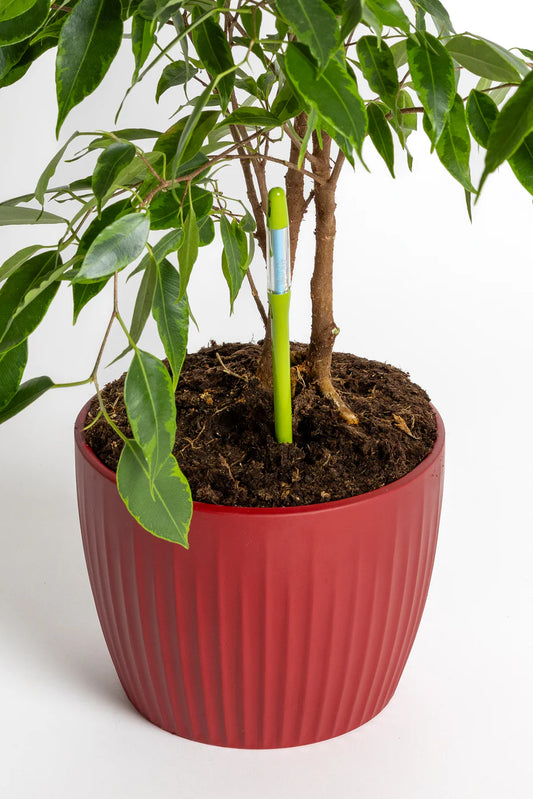
SUStee Soil Moisture Indicators
Regular price From $12Regular priceUnit price per -
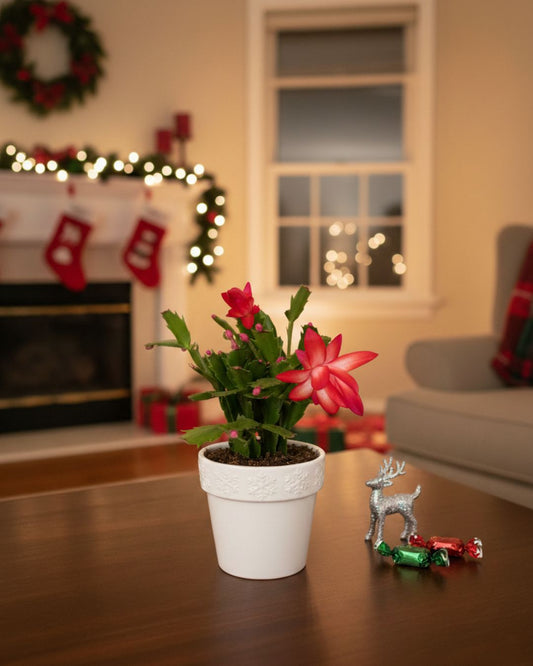
Christmas Cactus
Regular price $12Regular priceUnit price per -
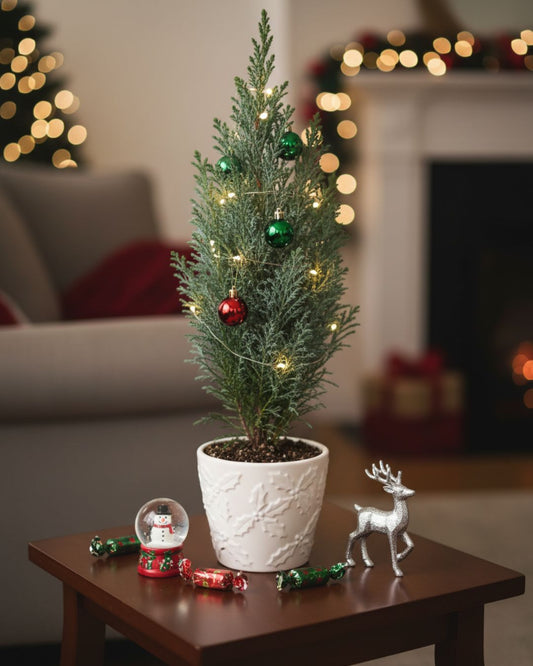
Ellwoodii Cypress
Regular price $18Regular priceUnit price per -
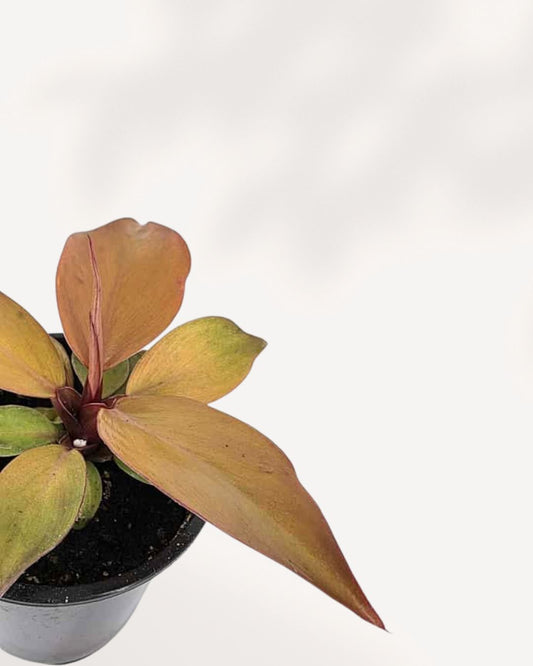
Philodendron 'McColley's Finale'
Regular price $15Regular priceUnit price per -
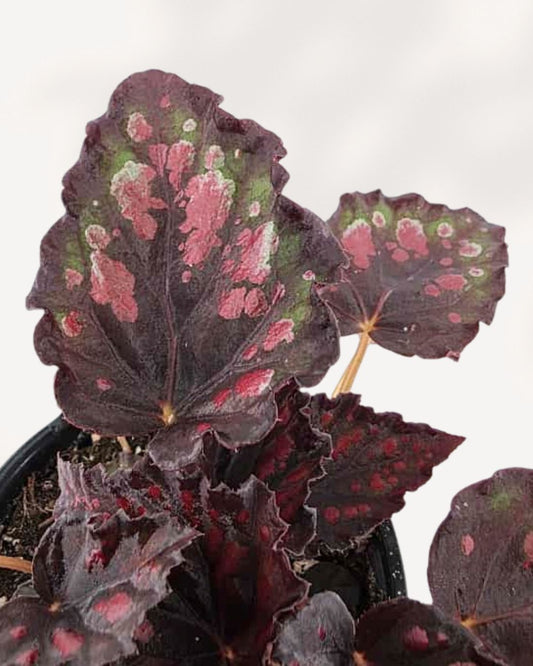
Begonia Rex 'Harmony Stained Glass'
Regular price $15Regular priceUnit price per -
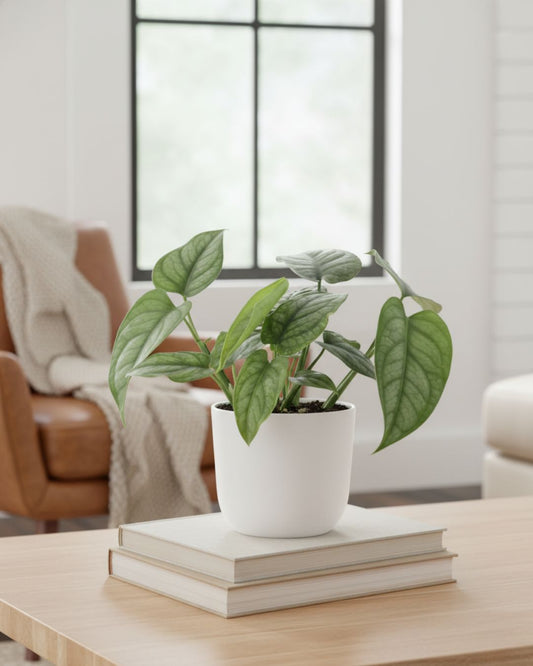
Monstera Siltepecana
Regular price $15Regular priceUnit price per -
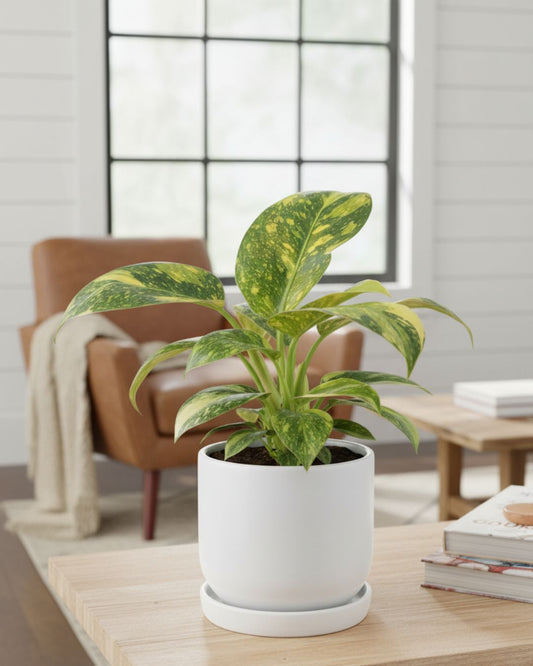
Philodendron Green Congo Nuclear
Regular price $45Regular priceUnit price per -
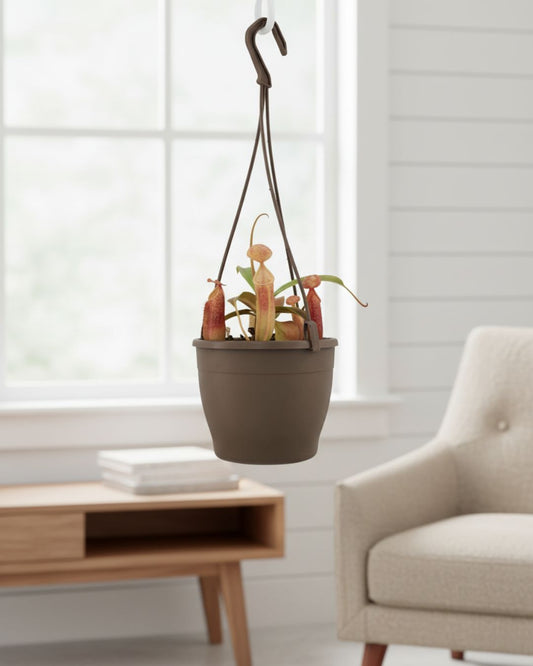
Nepenthes Sanguinea Pitcher Plant
Regular price $35Regular priceUnit price per -
Cobra Fern
Regular price $18Regular priceUnit price per












Learn from Blog's
View all-

Best Plants for Office You’ll Wish You Knew Soo...
So you're spending 8+ hours staring at spreadsheets, attending back-to-back meetings, and wondering why your workspace feels so. Lifeless? Here's a secret that Fortune 500 companies already know: The right...
Best Plants for Office You’ll Wish You Knew Soo...
So you're spending 8+ hours staring at spreadsheets, attending back-to-back meetings, and wondering why your workspace feels so. Lifeless? Here's a secret that Fortune 500 companies already know: The right...
-

A Complete Philodendron Pink Princess Care Guide
So you are very much into the beauty of Philodendron Pink Princess, and why not? This is the only plant in the world that has a unique bubblegum pink color...
A Complete Philodendron Pink Princess Care Guide
So you are very much into the beauty of Philodendron Pink Princess, and why not? This is the only plant in the world that has a unique bubblegum pink color...


MyGreenScape is your go-to online shop for indoor plants in cities Ontario or Quebec, including Toronto, Montreal, and many more. Our mission is to add joy to your home, one leaf at a time. Explore our range of beautiful, air-cleaning plants from the comfort of your home. You can find beautiful indoor plants, pots for plants, garden tools, and hanging basket plants all in one spot. Our mission is to add joy to your home, one leaf at a time.
Buying plants online with us means no more carrying heavy pots or figuring out how to get big plants home. We deliver straight from the gardener to you, with eco-friendly packaging, across Ontario and Quebec. Expect your new green friends within 2-7 days.
Why choose MyGreenScape? Here’s why:
- Lifetime Support: We’re here for you always. Get all the help you need for your plants to flourish.
- 30-Day Happy Plant Guarantee: Not happy with your plant? Tell us within 30 days, and we’ll fix it.
- Easy Delivery: Fast, direct to your doorstep in Ontario or Quebec.
Hear from a happy customer, Sarah T.: "Buying plants was never easier. Quick, simple, and with great support from MyGreenscape."
Ready for easy, stress-free plant shopping? Visit us now and make your home greener. Join MyGreenScape for a hassle-free way to bring nature inside.