


Cat Palm Plant Care Guide: Everything You Need to Know
| Back to Library |
Stressing over your Cat Palm plant care, as its leaves are turning yellow, and the soil is too dry or soggy, no matter what you do? Caring for a Cat Palm plant can feel exhausting, but don’t worry. We are here for you!
This guide will cover everything you need to know to keep your cascade palm plant healthy and thriving. We will explore the care tips and techniques for caring for the Cat Palm plant. Moreover, you will see how to propagate this plant. Finally, some common problems with this plant have been addressed.
Let’s get into it.
Before moving further, here’s a convenient option for you. If you want to buy lush greenery for your home, explore these breathtaking Cat Palm plants online.
Part 1: How to Take Care of a Cat Palm Plant?

The Cat Palm is a beautiful, pet-friendly, and non-toxic plant. It gives your home a truly posh and royal feel. To make your Cat Palm plant thrive and grow, ensure these conditions:
- Place the plant in bright, indirect light and avoid direct, harsh sunlight.
- Keep the soil of your Cat Palm plant evenly moist, not too soggy or dried out.
- Use well-draining soil and avoid heavy clay soil.
- Maintain temperature between 70°F and 80°F (21°C and 27°C) and high humidity levels.
- Use a balanced liquid fertilizer once a month.
- Prune the brown or dead leaves for a clean look.
Overview of Cat Palm Plant
Let’s have a quick overview of the Cat Palm Plant:
|
Characteristic |
Details |
|
Common Name |
Cat Palm, Cascade Palm |
|
Botanical Name |
Chamaedorea cataractarum |
|
Family |
Arecaceae |
|
Plant Type |
Perennial, Palm |
|
Mature Size |
3–6 ft. tall, 3–5 ft. wide |
|
Sun Exposure |
Partial sun, bright indirect light |
|
Soil Type |
Well-draining, loamy, peat-based |
|
Soil pH |
Slightly acidic to neutral (6.1–7.5) |
|
Bloom Time |
Rarely flowers indoors |
|
Flower Color |
Yellow (when blooming) |
|
Hardiness Zones |
9–11 (USDA) |
|
Native Area |
Mexico, Central America |
The Cat Palm plant is an indoor plant that can clean the air. If you are interested in buying such plants, check out this catalogue of the best Indoor Plants to improve your health.
Care Tips for the Best Growth of Cat Palm Plant:
Follow these care tips and tricks to grow your Cat Palm plant smoothly:
Light:
The Cat Palm plant needs a sunroom or a large window next to it. These plants thrive in very bright but indirect sunlight. Select an east-facing window for the best light for your plant. Avoid the direct sunlight, especially in the afternoon. Their leaves can burn and turn yellow in harsh full sun.

Don’t forget to explore our collection of low-light plants to enjoy greenery.
Watering:
Cat Palm plants require watering once a week, but check mid-week. Ensure the soil is not too soggy or dry, but evenly moist. Use your finger to check if the top of the soil is dry before watering. Don’t overwater your Cat Palm plant, as it can cause root rot or lead to the leaves' browning. On the other hand, if the soil is too dry, it might cause yellowing of the leaves. Moreover, they may require more watering in dry, hot weather.
Soil:
The Cat Palm plant requires loose, well-draining soil. Use slightly acidic soil. Never use heavy clay soil to plant this palm. It can retain too much moisture, which is not beneficial for the Cat Palm plants.

Check out our selection of quality soil and fertilizer for your indoor plants.
Temperature and Humidity:
You need to keep your Cat Palm plants in warm temperatures. The ideal temperature is between 70°F and 80°F (21°C and 27°C). Make sure the temperature is not below 7°C, as it can cause leaf damage. Protect your Cat Palm plants from extreme heat or cold temperatures.
Additionally, the Cat Palm plants prefer high humidity levels. The humidity should be higher than 50%. You can use a humidifier, mist the foliage, or place them in places with higher humidity levels.

Fertilizer:
Use a liquid fertilizer diluted to half strength as mentioned in the directions on the bottle for your Cat Palm plant. Only fertilize in early spring. Consider fertilizing once a month as it does not like much fertilizing. Don’t fertilize in the fall.
People often get confused while choosing fertilizer for their indoor plants. But worry not! Read our guide on choosing the best fertilizer for your indoor plants.
Pruning:
The Cat Palm plants don’t require much pruning. You can use pruners to cut the yellow, brown, or damaged leaves. It will enhance the growth. Moreover, it will give your plant a healthy and beautiful look.

Part 2: How to Propagate a Cat Palm Plant?
Unlike many plants, Cat Palm plants don’t grow from cuttings. The best method to propagate them is by division. Division is a method in which the entire plant is divided into two or more pieces. The propagation method allows you to grow as many beautiful Cat Palm plants as possible.
Now, let’s explore these simple steps:
Step-by-Step Guide:
Step 1: Firstly, give your Cat Palm plant a good amount of water. It will soften the soil, and roots won’t break when you move the plant.

Step 2: Carefully take out the plant from the pot.

Note: Don’t pull the plant harshly. Be gentle.
Step 3: Lay the plant on the ground. Use your hands to loosen the root ball into small pieces.

Step 4: Use a knife or saw to separate the pieces if they are difficult to handle with your hands.

Step 5: Each piece should be of a good size and have healthy roots and leaves.

Step 6: Take a separate container/pot and plant the division in fresh potting soil.

Step 7: Water the division and keep the pot in a bright, indirect light. It will grow into a beautiful plant.

Note: A moisture meter is highly recommended to avoid overwatering your Cat Palm plant.
Potting and Repotting Cat Palm Plant
If your Cat Palm has grown in size, the best way is to change the pot. Here is how you can do that:
|
Aspect |
Potting |
Repotting |
|
Pot Selection |
Choose a pot 1–2 inches larger than the root ball with drainage holes. |
Select a container 1–2 inches larger in diameter than the current pot. |
|
Soil Type |
Use a well-draining, peat-based mix with added perlite or sand. |
Use fresh potting mix to replenish nutrients and improve drainage. |
|
Planting Process |
Place the plant in the center, fill the sides with soil, and lightly press down to secure roots. |
Carefully remove the plant, loosen tightly bound roots, and shake off old soil. |
|
Watering |
Water thoroughly after potting, allowing excess water to drain out. Keep soil consistently moist but not soggy. |
Water thoroughly after repotting to help the plant settle in. Keep the soil evenly moist. |
|
Repotting Frequency |
Not applicable. |
Every 2–3 years, or when the roots outgrow the current pot. |
|
Signs for Repotting |
Not applicable. |
Roots growing out of drainage holes, slowed growth, compacted soil. |
|
Post-Repotting Care |
Not applicable. |
Avoid direct sunlight for a few days, maintain humidity, and keep soil evenly moist. |
A good pot size with drainage holes is best for repotting Cat Palm plants. Visit our best collection of pots and planters to make a quick choice.
Part 3: What are the Common Problems of Cat Palm Plants?
The Cat Palm (Chamaedorea cataractarum) is a popular indoor plant, but it can develop problems without proper care. Below are the most common issues, along with their causes and solutions.
Issue 1- Yellowing Leaves
Causes:
- Overwatering, leading to root rot
- Poor drainage or compacted soil
- Prolonged exposure to direct sunlight
- Nutrient deficiency, especially nitrogen
Solutions:
- Water only when the top inch of soil is dry
- Use a well-draining potting mix with peat and perlite
- Ensure the pot has proper drainage holes
- Apply a balanced liquid fertilizer every 4–6 weeks during the growing season
Issue 2- Browning Leaf Tips
Causes:
- Low humidity
- Fluoride or chlorine toxicity from tap water
- Underwatering or salt buildup in the soil
Solutions:
- Maintain humidity levels of at least 50% using a humidifier, misting, or a pebble tray
- Use distilled, rainwater, or filtered water instead of tap water
- Flush the soil with fresh water occasionally to remove excess salts
Poor water quality affects plant health and also leads to leaf discoloration. Read our complete guide to know if distilled water is good for your plants' health.
Issue 3- Drooping or Wilting Leaves
Causes:
- Inconsistent watering (either too much or too little)
- Exposure to cold drafts or sudden temperature fluctuations
- Insufficient light
Solutions:
- Keep the soil evenly moist but not soggy
- Place the plant away from air conditioners, heaters, or drafty windows
- Ensure the plant receives bright, indirect sunlight
Issue 4- Root Rot
Causes:
- Overwatering and poor drainage
- Fungal infections in overly damp soil
Solutions:
- Remove affected roots and trim black, mushy areas
- Repot in fresh, well-draining soil and a clean container
- Allow the soil to dry slightly between waterings
- Ensure the pot has adequate drainage holes
Issue 5- Pest Infestations (Spider Mites, Mealybugs, Scale, Aphids)
Causes:
- Dry indoor air makes the plant more vulnerable to pests
- Poor plant health due to stress
- Overcrowding and lack of airflow
Solutions:
- Inspect leaves regularly, especially the undersides
- Wipe leaves with a damp cloth to remove pests
- Treat infestations with neem oil or insecticidal soap
- Increase humidity and improve air circulation around the plant
Issue 6- Stunted Growth or Weak, Leggy Stems
Causes:
- Insufficient light
- Nutrient deficiencies
- Root-bound plant in a small pot
Solutions:
- Place the plant in bright, indirect light
- Fertilize with a diluted liquid fertilizer every few weeks during the growing season
- Repot into a slightly larger pot with fresh soil if the roots are overcrowded
Issue 7- Leaf Spots or Fungal Infections
Causes:
- High humidity with poor air circulation
- Overhead watering causes moisture buildup on leaves
Solutions:
- Water at the base of the plant rather than over the leaves
- Improve airflow by spacing plants apart or using a fan
- Remove affected leaves and apply a fungicide if needed
Issue 8- Pale or Washed-Out Leaves
Causes:
- Too much direct sunlight causes sunburn
- Nutrient deficiencies (iron or magnesium)
- Hard water deposits are affecting soil quality
Solutions:
- Move the plant to an area with bright, indirect light
- Use a well-balanced fertilizer with essential micronutrients
- Switch to distilled or filtered water to prevent mineral buildup
Conclusion
The final remarks are that your Cat Palm plant may face problems like yellowing or drooping of leaves, weak stems, or pest infestations. Ensure bright, indirect sunlight, proper watering, and an ideal temperature between 70°F and 80°F. Moreover, you can grow many Cat Palm plants using the division method. This attractive houseplant is admired for its beautiful leaf shape and ease of care.
If looking for double benefits with a single purchase, explore these alternative pet-friendly and low-light plants for your home.
Frequently Asked Questions
Should I Cut the Brown Tips Off My Cat Palm?
Yes, you should cut the brown tips off your Cat Palm plant. It not only improves the appearance but also prevents the plant from potential diseases from pests.
What Does an Overwatered Cat Palm Look Like?
An overwatered Cat Palm plant has droopy and yellow leaves. Plus, it has mushy stems or roots. The soil will also become a little soggy.
What Does a Healthy Cat Palm Look Like?
A healthy Cat Palm plant has vibrant and deep green fronds. You won’t find any wilting or yellowing in leaves. Further, you will find stems in the form of dense clusters, giving a fountain-like structure.
Explore these essential gardening tools for a smooth Cat Palm plant propagation process.
Why Does My Cat Palm Plant Have Pale or Washed-Out Leaves?
There can be multiple reasons for a Cat Palm plant to have pale or washed-out leaves. Some of these are harsh sunlight, nutrient deficiencies, or poor water quality. Make sure to move the plant to an area with bright, indirect light. Use a well-balanced fertilizer, and lastly, use distilled or filtered water.
Should I Cut Off the Burnt Cat Palm Leaves?
If your Cat Palm plant has burnt leaves, it is good to cut them off. The browning of leaves is a sign that the leaves are already dead or dying. So, it’s better to remove them for a neat and beautiful look.
The Positive Impact of Plants
-
Plants and Healing
Working with plants soothes the mind. It feels calming and healing, offering a peaceful break from daily life.
-
Plants for Recovery
Being around plants can speed up healing from sickness, making you feel better quicker in a natural way.
-
Plants and Work
Plants in your space may make your work better and faster, enhancing focus and creativity during tasks.
LETTING CUSTOMERS SPEAK FOR US!
Shop by Feature
-

Pet Friendly Plants With 30-Day Happy Plant Guarantee
Pet-Safe Plants for a Healthier, Happier Home Welcome to our pet-friendly plant...
-

Air Purifying Plants With 30-Day Happy Plant Guarantee
The Best Indoor Plants for a Fresher Living Space Our collection offers...
-

Easy Grower Plants With 30-Day Happy Plant Guarantee
Easy Grower Plants: Perfect for Beginners Easy-grower plants live up to their...
-

Low Light Plants With 30-Day Happy Plant Guarantee
Bring Nature Indoors: Low-Light Plants for Any Space Looking for plants that...


FAQs for Plant Delivery in Ontario & Quebec
What types of house plants do you offer for delivery.
We offer a wide variety of houseplants for delivery. Here are some of the popular options: Aglaonema, Alocasia, Calathea, Hoya, Monstera, Palm, Peperomia, Philodendron, Pothos, Sansevieria Snake, Syngonium, Tradescantia.
What is the lifetime support?
All plants purchased from our store or through our workshops come with lifetime support. This means that whenever you have questions or concerns about your plant, we're here to help. Whether you're unsure about your plant's health or need advice, we can assist in identifying problems, answering your questions, and potentially saving your plant. Feel free to reach out to us on Instagram @mygreenscapeto or via email at support@mygreenscape.ca.
Where do Mygreenscape plants come from?
Our plants embark on a journey from various greenhouses across Canada. We prioritize short delivery routes to ensure your plant arrives happy, healthy, and full of vitality.
Do I have to repot my plants once they arrive?
Absolutely not! When your plant arrives, give it time to settle into its new home. Place it in the desired spot, and let it acclimate for about two weeks.
-

UNBEATABLE QUALITY
We source directly from top-rated growers, so we can sell the finest quality plants at the very best prices.
-

FREE DELIVERY
On qualifying orders,
typically arriving within 72 hours in the GTA
and 2–4 business days elsewhere.
-

LIFETIME PLANT SUPPORT
On all our plants purchased. If you have any questions or concerns don't hesitate to contact us!
-

HAPPY PLANT GUARANTEE
Your happiness is our top priority, which is why we offer a unbeatable 30-day satisfaction guarantee.


Favorite in our plant shop
-
Liquid Plant Fertilizer
Regular price From $30Regular priceUnit price per -
Plant Saucer
Regular price From $2Regular priceUnit price per -
Cymbidium Orchid
Regular price $89Regular priceUnit price per -
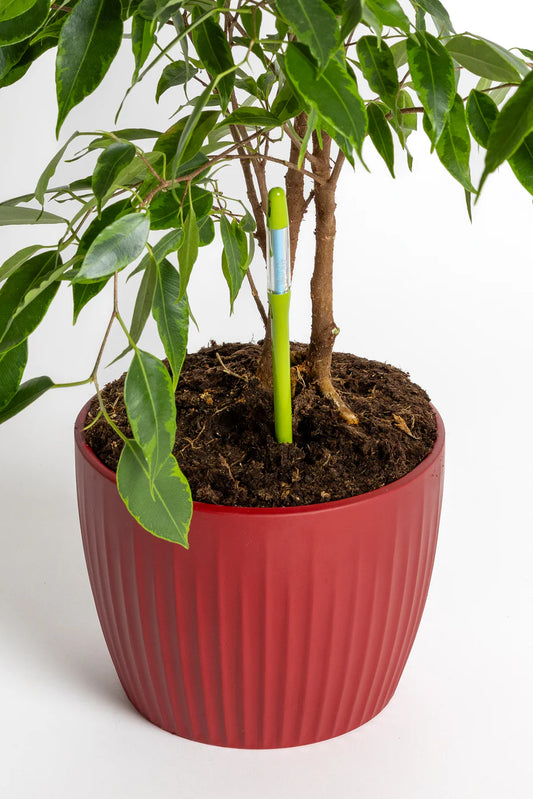
SUStee Soil Moisture Indicators
Regular price From $12Regular priceUnit price per -
Christmas Cactus
Regular price $12Regular priceUnit price per -
Ellwoodii Cypress
Regular price $18Regular priceUnit price per -
Philodendron 'McColley's Finale'
Regular price $15Regular priceUnit price per -
Begonia Rex 'Harmony Stained Glass'
Regular price $15Regular priceUnit price per -
Monstera Siltepecana
Regular price $15Regular priceUnit price per -
Philodendron Green Congo Nuclear
Regular price $45Regular priceUnit price per -
Nepenthes Sanguinea Pitcher Plant
Regular price $35Regular priceUnit price per -
Cobra Fern
Regular price $18Regular priceUnit price per












Learn from Blog's
View all-

Best Plants for Office You’ll Wish You Knew Soo...
So you're spending 8+ hours staring at spreadsheets, attending back-to-back meetings, and wondering why your workspace feels so. Lifeless? Here's a secret that Fortune 500 companies already know: The right...
Best Plants for Office You’ll Wish You Knew Soo...
So you're spending 8+ hours staring at spreadsheets, attending back-to-back meetings, and wondering why your workspace feels so. Lifeless? Here's a secret that Fortune 500 companies already know: The right...
-

A Complete Philodendron Pink Princess Care Guide
So you are very much into the beauty of Philodendron Pink Princess, and why not? This is the only plant in the world that has a unique bubblegum pink color...
A Complete Philodendron Pink Princess Care Guide
So you are very much into the beauty of Philodendron Pink Princess, and why not? This is the only plant in the world that has a unique bubblegum pink color...


MyGreenScape is your go-to online shop for indoor plants in cities Ontario or Quebec, including Toronto, Montreal, and many more. Our mission is to add joy to your home, one leaf at a time. Explore our range of beautiful, air-cleaning plants from the comfort of your home. You can find beautiful indoor plants, pots for plants, garden tools, and hanging basket plants all in one spot. Our mission is to add joy to your home, one leaf at a time.
Buying plants online with us means no more carrying heavy pots or figuring out how to get big plants home. We deliver straight from the gardener to you, with eco-friendly packaging, across Ontario and Quebec. Expect your new green friends within 2-7 days.
Why choose MyGreenScape? Here’s why:
- Lifetime Support: We’re here for you always. Get all the help you need for your plants to flourish.
- 30-Day Happy Plant Guarantee: Not happy with your plant? Tell us within 30 days, and we’ll fix it.
- Easy Delivery: Fast, direct to your doorstep in Ontario or Quebec.
Hear from a happy customer, Sarah T.: "Buying plants was never easier. Quick, simple, and with great support from MyGreenscape."
Ready for easy, stress-free plant shopping? Visit us now and make your home greener. Join MyGreenScape for a hassle-free way to bring nature inside.