


Easy Rubber Plant Care Routine That Works

To care for a Rubber plant, place it in bright but indirect sunlight and water only if the top 1 or 2 inches of the soil are dry; otherwise, over watering will make your rubber plant root rot. Root rot is the most common issue in rubber plant care.
To avoid this, use a well draining pot to keep the moisture optimum. In this Rubber plant care guide, we’ll go in depth into how to take care of a rubber plant, watering schedule, humidity, propagation, and pruning requirements that are suitable for both plant enthusiasts and beginners.
This guide will also enlighten you on the common problems, pests, and their solution. Let’s dive deeper into the Rubber tree plant care guide.

Let's take a look at the basic requirements of the Rubber plant (Ficus elastica) care.
- Light: Provide indirect but bright sunlight
- Water: Water thoroughly when the top 1-2 inches of the soil are dry
- Temperature: Optimum temperature is 60 - 85°F (16–29°C)
- Humidity: Maintain moderate to high humidity, i.e., 40% to 60%
- Soil: Use well-draining potting mix, perlite, or orchid bark amended for aeration
Learn effective methods for keeping your indoor plants healthy and thriving with simple care tips.
Rubber Plant Overview
Before diving into the details, let’s have a quick overview of the Rubber plant.
|
Feature |
Details |
|
Common Name |
Rubber plant, Rubber tree plant |
|
Scientific Name |
Ficus elastica |
|
Family |
Moraceae |
|
Native Range |
South-East Asia Tropical regions (Malaysia, Nepal, India, Indonesia, Myanmar) |
|
Type |
Houseplant |
|
Mature Height |
Outdoor: up to 100 ft, Indoor: 6-10 ft |
|
Leaves |
Glossy textured, oval, and thick leathery |
|
Flowers |
Unnoticeable and small |
|
Fruits |
Figs (in outdoor placement) |
|
Lifespan |
Several years under suitable conditions |
|
Special Feature |
Purified Air from toxins |
1.Rubber Plant Light Requirements
Light requirements for the Rubber plant are bright but indirect sunlight for a minimum of 6 to 8 hours in 24 hours. Too much light can burn the leaves, which appear as browning and scorching. Too little light promotes slow growth, making leaves leggy and appearing dull or faded.

Best Placement for Rubber Plant
The ideal location for placement is an east or north facing window that provides gentle morning light or bright, indirect sunlight throughout the day, respectively. You can also place it near a west facing window under the shadow of a sheer curtain that prevents intense sunlight in the afternoon.
How to Protect from Direct Sunlight?
- Use sheer curtains on the windows to filter the direct sunlight.
- Place the plant at a distance from the window to prevent direct sunlight interaction.
2. How Often to Water Rubber Plant?
Water your Rubber plant every 1 to 2 weeks. Water more frequently in summer because it is the growth season for your Rubber plant. Reduce watering frequency in winter because the plant becomes dormant.

Watering is also adjusted if the top 1 or 2 inches of the soil are dry. Touch the soil or use a moisture meter; if the soil is dry and does not stick to your finger, it is time to water the plant.
What Does Over watering Do to Your Plant?
Over watering leads to root rot because of insufficient oxygen supply to the waterlogged soil. Eventually, the roots suffocate and die. The visible sign of over watering is the yellowing of leaves, which later turn brown. The leaves also appear droopy and limp. Plant growth slows down, and the soil smells foul and seems mushy.
How to Prevent Over watering?
- Use a pot with drainage holes at the bottom to prevent over watering. You can use a clay pot with a hole at the bottom to prevent water from pooling at the bottom.
- Water your plant according to the requirements by testing with your finger and avoid the watering schedule.
- Weigh your pot regularly, as it will weigh heavy with extra water.
- Dump the excess water from the bottom to avoid root rot.
Watering Tips
- Water your Rubber plant thoroughly until the water starts coming out of the drainage holes.
- Use lukewarm water because hot and cold water may shock the roots.
- Tap water is suitable for Rubber plants, but filtered, rain, or distilled water is a safer alternative with fewer chemicals.
Find out which type of water is best tap or distilled for the health and growth of your indoor plants.
3. Soil Type and Potting Needs
A nutrient rich and well draining soil is ideal for the Rubber plant with a pH ranging from 5.5 to 7.0. The soil mix of well draining soil with coco coir, perlite, or orchid bark prevents root rot by improving aeration.
Soil Mix Recipe Options for Rubber Plant
To make an ideal soil recipe for the Rubber plant, choose any one of the following options.
- Take 1 part of coco coir or peat moss for ideal organic matter and maximum moisture retention, 1 part of coarse sand or perlite to improve the airflow and improve drainage, and 1 part of all-purpose potting standard potting mix.
- Mix 1 part of potting soil with one part of perlite as a nutrient base.
- Mix 1 part perlite with three parts of pumice and 1 part of coco coir.
You can also add a handful of compost or pine bark to improve nutritional value and aeration. If you’re looking for a ready made soil mix, do not forget to check out Indoor Plant Potting Mix.

Potting Needs of the Rubber Plant
The pot of the Rubber plant must have a drainage hole to drain off excessive water and provide good aeration. Use a soil mix with greater moisture retention and improved aeration to eliminate plant root rot.
Pot type
Heavy and sturdy pots are ideal for the Rubber plant to balance its lengthy growth. Porous pot material, like a terracotta pot or ceramic pot, is suitable for a rubber plant to dry out the soil.
Pot Size
Choose a pot 3 to 4 inches wider than the plant’s container to eliminate root rot. You can start with 2 2-inch pots greater in diameter. Avoid oversized pots because they may retain excessive water, leading to root rot. Confused? Check out our guide on How to Select the Right Plant Pot Size.
Repotting
Repot the Rubber plant every 2 to 3 years. You can also repot when the roots start curling or circling the drainage holes. The ideal time for repotting is Spring or early summer, which is the active growth phase.
During repotting, trim away rotten roots and mushy soil, and loosen the tightly bound roots for better oxygen supply. Repotting is also necessary if your Rubber plant has root rot or fungal gnats. Step-by-step guide to repotting your plants for healthier growth.
Repotting Rubber Plant Steps
The following steps will guide you from the initiation to the end.
Step 1: Water the Plant

Water your plant thoroughly 2-3 days before repotting to make the soil soft and easier to pull out.
Step 2: Choose the Right Pot
Choose a pot 1-2 inches wider than the previous container.

Step 3: Prepare the Soil
Prepare the slightly acidic and well-draining potting mix according to the right proportions.

Step 4: Remove the Plant
Remove the rubber plant by slightly tapping the sides of the post or squeezing the pot.

Step 5: Loosen the Roots
Gently loosen the tightly bound roots with your fingers. Make sure the soil is soft enough to release the strangling. Loosening of the roots promotes active growth into the new soil.

Step 6: Add Plant to the New Pot
Gently place the plant root ball into the new container, and do not forget to add a single layer of soil at the bottom before placing it.

Step 7: Add Soil to the new pot
Add soil mix to the new pot to cover the roots completely and eliminate any air pockets.

Aftercare
Water thoroughly the new repotted rubber plant to settle the soil and the roots. Monitor your plant for the first few weeks and keep it in bright indirect sunlight. Stop fertilization for at least 4 to 6 weeks for the new repotted plant.
4. Temperature and Humidity Preferences
The ideal temperature for the Rubber plant is between 60 - 85°F (16–29°C). Avoid temperature drops of more than 60°F because they initiate stunned growth and leaf necrosis. A rubber plant cannot bear sudden temperature fluctuations like cold winds and temperature drops because it may lead to plant stress.
Rubber plant requires medium to high humidity, i.e., 40% to 60%. Indoor heating dries out the plant in winter, and leads to browning of leaves. The USDA hardiness zone for the outdoor Rubber plant is 10-12.

How to Maintain Humidity
Consider the following recommendations for the Rubber plant winter care indoors to keep the humidity optimum in winter.
- Place a humidifier next to the plant.
- Mist the plant regularly to provide temporary moisture.
- Use a pebble-filled saucer with a bit of water in the bottom to keep the environment humid for the rubber plant.
- Group your Rubber plant with other indoor plants to keep its humidity levels.
5. How to Fertilize Your Rubber Plant?
A water-soluble fertilizer is suitable for the Rubber plant. The ideal fertilizing mix is a balanced NPK ratio of 10-10-10, or you can use one with higher nitrogen content (9-3-6). These fertilizers promote active growth. You can also use seaweed extract and worm castings as organic options for a fertilizer.
Fertilization Tips
- Fertilization in the reactive growth season is recommended, i.e., spring and summer.
- Fertilize every 2 weeks for a consistent nutrient supply.
- You can also schedule fertilization with every watering episode to encourage nourishment.
- Avoid over-fertilization because it may lead to root as well as soil buildup.
During the winter season, the plant becomes dormant, so stop fertilizing. You can flush the soil regularly with water to prevent any root or soil buildup.

6. Pruning and Shaping Tips
The ideal season to prune is the active growth season of the rubber plant, i.e., spring and summer. Main stem cutting during pruning enables the plant to sprout new branches and make it appear full. You can adjust the shape and height of the rubber plant by pruning it back to your desired length.
How to Prune
Follow the following steps for pruning;
- To prune a Rubber plant, take a sharp and sterilized blade or a knife and cut the shoot right above the node.
- You can use rubbing alcohol to sterilize the knife or pruning tools.
- When you make a cut, cover it immediately with a wet paper towel to avoid leaking.
- Once the sap is dried and the wound is sealed, remove the paper towel. The new branches will start emerging after a few weeks.
Protection Tip: Do not forget to wear gloves while pruning to protect from toxic milky sap (latex) oozing out of the plant.
Shaping Tips
Follow these tips to shape your Rubber plant after pruning.
- Control the direction of your Rubber plant by cutting the shoots going in an undesired direction and placing them in a new growth direction.
- Remove dead, yellow, and brown leaves from the plant.
- Remove the affected branches as well to prevent the plant from damage.
- Do not prune more than 5 or 6 branches at a time, so the plant does not stress out.
Discover Our Ficus Plant Collection:
Explore a unique range of trailing and waxy-leaf ficus perfect for brightening up your indoor spaces!
Explore Now7. How to Propagate Rubber Plant
To propagate a Rubber plant, choose at least a 4 to 6-inch-long stem with a lot of healthy leaves and cut it 1 inch below the leaf node. Use a clean and sterilized pruning tool to make the cut. Once you cut the stem, leave it overnight for the formation of a dry protective layer at the cut end. Remove a few leaves from the bottom of the stem to expose the available nodes for propagation.
There are two methods of propagation of the Rubber plant, i.e., soil and water propagation.
Soil Propagation
1. Dip the stem in rooting hormone for better root growth.


3. Water the plant thoroughly and cover it with a plastic sheet to create a humid environment for the plant.
4. Place the propagated stem pot in bright indirect sunlight.
Water Propagation
1. Take a container, vase, or jar, and fill it with water at room temperature.
2. Dip the stem cutting in the jar and make sure that one node is submerged in the water.

3. Place the container in bright, indirect sunlight.
4. Maintain the water level only as required, and no need to change water.
After propagation, the roots will start appearing within a few weeks. If the roots become 2 inches long and appear established, shift the plant to a new pot with new potting mix. Continue watering every other day and keep it under bright and indirect sunlight.
8. Common Problems and How to Fix Them
The common problems of the Rubber plant are yellowing and browning of leaves, curling of leaves, drooping leaves, and pests. Let’s identify the cause and see how we can fix it.
Yellowing or Droopy Leaves
Cause: Yellowing and drooping leaves are the result of over-watering. Over-watering makes the soil soggy and leads to yellowing of leaves. However, insufficient light and underwatering also lead to droopy leaves.
Solution: Always check the soil surface with your finger. If the top 1 or 2 inches feel dry, water the plant. If the plant already has wet soil, do not water until the soil becomes dry.
Leaves Drooping and Falling
Cause: Sudden drooping and falling of the leaves is due to the sudden environmental shifts. Chilly drafts shock the plant and lead to drooping. Over-watering is another main reason behind this common problem.
Solution: Place your Rubber plant away from cold vents. Make sure it receives only bright and indirect light. Keep a check on the watering schedule.
Curling Leaves
Cause: Curling leaves of the Rubber plant are the result of improper watering. Insufficient water and too much water cause leaf curling. Sudden temperature drop and extremely dry air also lead to curling problems.
Solution: Set your watering schedule according to the requirements of the plant. Keep it in warm conditions like under bright but indirect light.
Pests
Cause: Sticky residue on leaves (honeydew), brown bumps on the stem (scale insects).
Solution: Cut to remove infected leaves and stems to save the plant. Treat the plant with Bios Diatomaceous Earth - Ultimate Pesticide to remove the pests and their residue from the surface. You can also wash it with Bios Herbal Soap for pest control.
9. Is the Rubber Plant Toxic to Pets?
Yes, the Rubber plant (Ficus elastica) is poisonous to cats and dogs. Your pet might experience mild to moderate gastrointestinal issues, and the symptoms include diarrhea, drooling, and vomiting. Keep the plant away from your pets. If your pet ingests a rubber plant by any chance, contact your veterinarian, offer your pet fresh water, and remove the excess leaf from the mouth.
10. Rubber Plant Seasonal Care
The seasonal care for the Rubber plant is easy, and the following care guide tips will help you.
Spring Care
Spring is the season to prune your Rubber plant and control its growing size. Use a fertilizer every month in the spring season and remove excessive dust from the leaves. Maintain bright and indirect sunlight with a temperature ranging from 60 to 85°F (16–29°C). Avoid direct sunlight because it may scorch the leaves. Follow the watering schedule according to the requirements.
Fall Care
In the fall, the Rubber plant stays dormant and requires relocation to a bright and indirect light. Reduce the watering frequency and water only when the top 1 or 2 inches of the soil are dry. Do not use a fertilizer because it's useless, and do not forget to clean the leaves regularly for photosynthesis and pest control. Place a humidifier beside the Rubber plant or place a pebble tray at the bottom to maintain humidity.
Why Rubber Plants are a Popular Indoor Choice?
Rubber plants are beautiful, low-maintenance plants that purify the air and make it free from toxins like formaldehyde. This feature makes this plant a rewarding and versatile houseplant. Their big glossy leaves add a sophisticated look to your house.
Struggling with your Rubber Tree? Here’s a great tip from Reddit:
Tips for a Rubber Tree
byu/ForgottenEmpires inhouseplants
Frequently Asked Questions
Can I keep a rubber plant in the bathroom?
Ans: Yes, you can keep a rubber plant in the bathroom. The steamy, warm conditions of the bathroom suit them well for a humid and warm environment. Keep it near the window with curtains for bright but indirect light.
Why are my rubber plant leaves not shiny?
Ans: The leaves of the Rubber plant appear dusty because of the dust buildup or lack of adequate light and humidity. Nutritional deficiencies also affect the glossiness of the plant. Clean your plant with soap or neem oil to restore shine.
How tall can a rubber plant grow indoors?
Ans: The indoor Rubber plant can grow between 2 ft and 10 ft. If the place is spacious, it might increase further in size.
Do rubber plants clean the air?
Ans: Yes, Rubber plants clean the air by removing toxins from the air like formaldehyde, and convert carbon dioxide into oxygen. Their large leaves absorb toxins, and the soil microbes degrade these toxins.
Is Rubber plant toxic to cats?
Ans: Yes, the Rubber plant is poisonous to cats and other pets. If ingested, they might experience vomiting, diarrhea, and drooling. Contact your veterinarian immediately for consultation and remove excess leaves from his mouth.
Conclusion
The rubber plant care guide requires bright, indirect sunlight. It grows well between 60 - 85°F (16–29°C) and requires 40% to 60% humidity. Water the rubber plant if the top 1 or 2 inches of the plant feel dry. Avoid over-watering to bypass yellowing and browning of leaves. Use a 1 or 2 inches larger pot for potting and prune in spring and summer to enable better growth. Prepare the soil mix by mixing 1 part of each coco coir, perlite, and all-purpose nutrient base. Add this plant to your living area because it purifies the air from toxins and serves as a sophisticated addition to your lounge. If you’re looking for one, don’t forget to check out MyGreenScape.
The Positive Impact of Plants
-
Plants and Healing
Working with plants soothes the mind. It feels calming and healing, offering a peaceful break from daily life.
-
Plants for Recovery
Being around plants can speed up healing from sickness, making you feel better quicker in a natural way.
-
Plants and Work
Plants in your space may make your work better and faster, enhancing focus and creativity during tasks.
LETTING CUSTOMERS SPEAK FOR US!
Shop by Feature
-

Pet Friendly Plants With 30-Day Happy Plant Guarantee
Pet-Safe Plants for a Healthier, Happier Home Welcome to our pet-friendly plant...
-

Air Purifying Plants With 30-Day Happy Plant Guarantee
The Best Indoor Plants for a Fresher Living Space Our collection offers...
-

Easy Grower Plants With 30-Day Happy Plant Guarantee
Easy Grower Plants: Perfect for Beginners Easy-grower plants live up to their...
-

Low Light Plants With 30-Day Happy Plant Guarantee
Bring Nature Indoors: Low-Light Plants for Any Space Looking for plants that...


FAQs for Plant Delivery in Ontario & Quebec
What types of house plants do you offer for delivery.
We offer a wide variety of houseplants for delivery. Here are some of the popular options: Aglaonema, Alocasia, Calathea, Hoya, Monstera, Palm, Peperomia, Philodendron, Pothos, Sansevieria Snake, Syngonium, Tradescantia.
What is the lifetime support?
All plants purchased from our store or through our workshops come with lifetime support. This means that whenever you have questions or concerns about your plant, we're here to help. Whether you're unsure about your plant's health or need advice, we can assist in identifying problems, answering your questions, and potentially saving your plant. Feel free to reach out to us on Instagram @mygreenscapeto or via email at support@mygreenscape.ca.
Where do Mygreenscape plants come from?
Our plants embark on a journey from various greenhouses across Canada. We prioritize short delivery routes to ensure your plant arrives happy, healthy, and full of vitality.
Do I have to repot my plants once they arrive?
Absolutely not! When your plant arrives, give it time to settle into its new home. Place it in the desired spot, and let it acclimate for about two weeks.
-

UNBEATABLE QUALITY
We source directly from top-rated growers, so we can sell the finest quality plants at the very best prices.
-

FREE DELIVERY
On qualifying orders,
typically arriving within 72 hours in the GTA
and 2–4 business days elsewhere.
-

LIFETIME PLANT SUPPORT
On all our plants purchased. If you have any questions or concerns don't hesitate to contact us!
-

HAPPY PLANT GUARANTEE
Your happiness is our top priority, which is why we offer a unbeatable 30-day satisfaction guarantee.


Favorite in our plant shop
-
Liquid Plant Fertilizer
Regular price From $30Regular priceUnit price per -
Plant Saucer
Regular price From $2Regular priceUnit price per -
Cymbidium Orchid
Regular price $89Regular priceUnit price per -
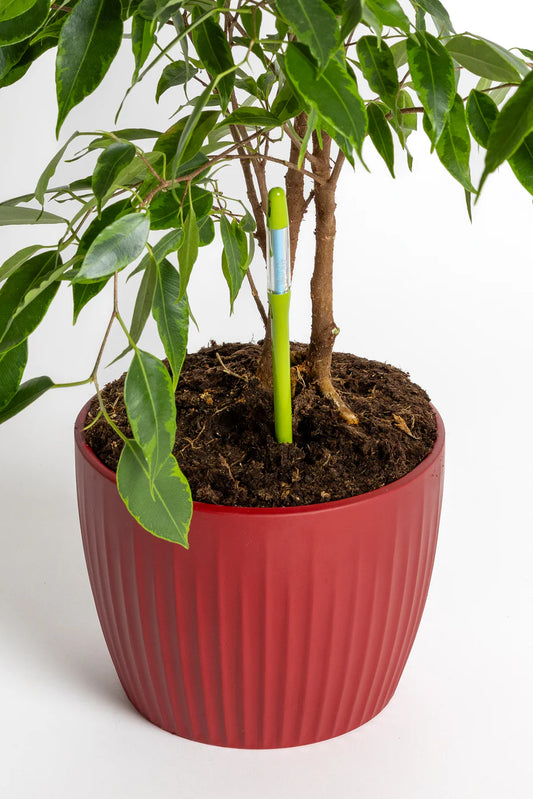
SUStee Soil Moisture Indicators
Regular price From $12Regular priceUnit price per -
Christmas Cactus
Regular price $12Regular priceUnit price per -
Ellwoodii Cypress
Regular price $18Regular priceUnit price per -
Philodendron 'McColley's Finale'
Regular price $15Regular priceUnit price per -
Begonia Rex 'Harmony Stained Glass'
Regular price $15Regular priceUnit price per -
Monstera Siltepecana
Regular price $15Regular priceUnit price per -
Philodendron Green Congo Nuclear
Regular price $45Regular priceUnit price per -
Nepenthes Sanguinea Pitcher Plant
Regular price $35Regular priceUnit price per -
Cobra Fern
Regular price $18Regular priceUnit price per












Learn from Blog's
View all-

Best Plants for Office You’ll Wish You Knew Soo...
So you're spending 8+ hours staring at spreadsheets, attending back-to-back meetings, and wondering why your workspace feels so. Lifeless? Here's a secret that Fortune 500 companies already know: The right...
Best Plants for Office You’ll Wish You Knew Soo...
So you're spending 8+ hours staring at spreadsheets, attending back-to-back meetings, and wondering why your workspace feels so. Lifeless? Here's a secret that Fortune 500 companies already know: The right...
-

A Complete Philodendron Pink Princess Care Guide
So you are very much into the beauty of Philodendron Pink Princess, and why not? This is the only plant in the world that has a unique bubblegum pink color...
A Complete Philodendron Pink Princess Care Guide
So you are very much into the beauty of Philodendron Pink Princess, and why not? This is the only plant in the world that has a unique bubblegum pink color...


MyGreenScape is your go-to online shop for indoor plants in cities Ontario or Quebec, including Toronto, Montreal, and many more. Our mission is to add joy to your home, one leaf at a time. Explore our range of beautiful, air-cleaning plants from the comfort of your home. You can find beautiful indoor plants, pots for plants, garden tools, and hanging basket plants all in one spot. Our mission is to add joy to your home, one leaf at a time.
Buying plants online with us means no more carrying heavy pots or figuring out how to get big plants home. We deliver straight from the gardener to you, with eco-friendly packaging, across Ontario and Quebec. Expect your new green friends within 2-7 days.
Why choose MyGreenScape? Here’s why:
- Lifetime Support: We’re here for you always. Get all the help you need for your plants to flourish.
- 30-Day Happy Plant Guarantee: Not happy with your plant? Tell us within 30 days, and we’ll fix it.
- Easy Delivery: Fast, direct to your doorstep in Ontario or Quebec.
Hear from a happy customer, Sarah T.: "Buying plants was never easier. Quick, simple, and with great support from MyGreenscape."
Ready for easy, stress-free plant shopping? Visit us now and make your home greener. Join MyGreenScape for a hassle-free way to bring nature inside.