
Jade Plant Care Tips Every Money Plant Owner Should Know
Jade plants are beloved for their fleshy leaves and ease of growth. However, new owners need to have knowledge of Jade plant care to avoid issues like yellowing leaves, droopiness, or stunted growth. To get tips regarding this plant care, a newbie recently posted on Reddit asking, “How Do I Help My Jade Plant?”
Like this user on Reddit, if you’ve ever wondered why your Jade plant (Crassula ovata) isn’t growing, you’re not alone. In this guide, we’ll tackle every aspect of Jade care, from watering and light to soil, pests, and propagation.
Read on to discover how to keep your Money plant healthy and blooming. By the end of this article, you’ll have everything you need to turn Jade plant challenges into success.
A Quick Look into Jade Plant Care
Before diving in, here’s a brief summary to help you learn how do you care for a Jade plant:
- Allow the soil to dry out completely between deep waterings (about every 2 to 3 weeks in summer and less in winter).
- Jade needs at least 4 to 6 hours of bright light per day (south- or west-facing windows are ideal).
- Keep Jade warm (65 to 75°F) and protect from frost, as it tolerates cooler nights but avoids under 50°F.
- Use a fast-draining succulent and cactus mix while providing indoor humidity.
- Feed lightly with a balanced liquid fertilizer about once every 6 to 8 weeks.
What Are the Details You Need to Know About the Jade Plant?
Crassula ovata (the Jade plant) is an evergreen succulent shrub in the Crassulaceae family. Being native to South Africa, this plant grows naturally in rocky soils. Commonly called the lucky plant and money plant, it features shiny leaves that are rich jade-green.

Indoors, Jade typically stays compact (about 1 to 3 ft tall) but can reach over 6 ft outdoors. It blooms in winter with clusters of pink or white flowers if given enough light and a dry rest. Below is a quick table of Jade plant traits and care needs:
|
Attribute |
Details |
|
Plant Type |
Crassula ovata |
|
Family |
Crassulaceae |
|
Plant Type |
Succulent, perennial |
|
Native Habitat |
Eastern Cape and KwaZulu-Natal (South Africa) |
|
Soil pH |
Neutral, acidic |
|
Characteristics |
Showy, Evergreen |
|
Hardiness Zones |
11–12 (USDA) |
|
Toxicity |
Mildly toxic if ingested (to pets and humans) |
 Areca Palm Buy Now
 Parlor Palm Buy Now
 Boston Fern Buy Now
 Money Tree Buy Now
 Ponytail Palm Buy Now
 Prayer Plant Buy Now
 Cast Iron Plant Buy Now
 Peperomia Watermelon Buy Now
 Baby Rubber Plant Buy Now
 Hoya Plant Buy Now
What are the Common Types of Jade Plants You Can Cultivate?
Jade has many cultivars and relatives. Popular types you might grow include:
- Standard Jade (smooth, oval green leaves with red-edged foliage)
- Variegated Jade (green leaves with white or cream margins)
- Gollum Jade (tubular green leaves with rounded cup-like tips, often red)
- Hobbit Jade (curved tubular leaves similar to Gollum)
- Silver Jade (round gray-green leaves with reddish edges)
- String of Buttons (stacked, button-like leaves on trailing stems)
- Coral Jade (small, round leaves with pink margins that cascade)
To buy any of these cultivations, go through this MyGreenScape Jade plant page. To find the details of Jade plant care, explore the sections below.
When and How Should You Water a Jade Plant?

Water your Jade only when the soil is completely dry at least 1 to 2 inches down. In practice, this often means watering about once every 2 to 3 weeks during the growing season (spring and summer). However, this water requirement quantity is much less in the fall and winter.
Jade plants store water in their leaves and stems, so they need far less watering than typical houseplants. When you water, drench the potting mix thoroughly so excess drains out the pot’s bottom. To keep a check on water levels, use a moisture meter from MyGreenScape.

Jade Plant Watering Tips for Proper Growth
- Check the Soil: Stick your finger an inch or two into the soil. If it feels damp, wait a few more days. Only water when the soil is bone-dry below the surface.
- Water Deeply: When watering, give the plant a thorough soak until water runs out the drainage hole. This encourages deep root growth and discards any excess water.
- Use Proper Pots and Soil: You should always plant Jade in a porous pot ( unglazed) with drainage holes. Check out this MyGreenScape pot collection to find better options. On top of that, the right soil (succulent mix) dries out faster, reducing rot risk.
If you want to dig deeper, go through this guide to learn more about indoor plant watering.
What Are the Major Jade Plant Light Requirements?

Jade plants need bright light to grow, so you need to aim for at least 4 to 6 hours of sun each day. A window facing south or west is ideal in the Northern Hemisphere. Jade can handle some direct sunlight, especially morning or late afternoon rays. Without enough light, a Jade will become leggy with pale, floppy stems.
Indoors, place your Jade several feet from a sunny window or right in the window if possible. If light is limited, consider a fluorescent or LED plant light. Outdoors (in warm climates), slowly acclimate to the sun to avoid burns, and then you’ll see crisp leaves.
For better light requirement tips, go through the detailed MyGreenScape guides.
What is the Ideal Temperature Range for Jade Plants?
During the day, around 65 to 75°F (18 – 24°C) is best for your Jade plants. They can handle slightly warmer temperatures in summer, but if it’s above 80°F, provide ventilation or partial shade to avoid stress. On the other hand, nighttime can be a bit cooler (55 to 60°F).

Important Tips
- Jade cannot tolerate frost, so temperatures below about 50°F (10°C) can injure or kill this type of plant.
- Sudden temperature swings should also be avoided, so don’t place Jade right next to air vents or cold walls.
- If you bring your Jade outside in summer, make sure to bring it back indoors before temperatures dip in fall.
How Can You Satisfy the Soil and Fertilizer Needs of Jade Plants?

To satisfy the soil and fertilizer needs, follow these useful tips:
Soil Requirements Instructions
Jade needs a well-draining soil, such as a commercial succulent mix from MyGreenScape. Moreover, you can also make your own by mixing 2 parts potting soil with 1 part coarse sand or perlite and 1 part peat moss. Overall, the goal is a balance between moisture retention and fast drainage.
Fertilizer Requirements Instructions
For optimal Jade plant care, fertilize only during the growing season (spring through early fall). Use a water-soluble fertilizer at about half the strength indicated on the label. Feed roughly every 6 to 8 weeks during this period. If you prefer organic fertilizer options, diluted compost tea or fish emulsion, sparingly applied, can work.
Here’s a Reddit post from a jade plant owner dealing with a similar concern, which helps illustrate the issue well.
Jade plant care
byu/tweetdreamzz inplantclinic
What Are the Jade Plant Humidity Needs and Requirements?

Jade plants are drought-adapted, so they prefer low to average humidity. Typical home humidity (30 to 50%) is generally fine. Jade does not like prolonged high humidity or water on its leaves, as this can invite rot or fungal issues.
If your indoor air is extremely dry (which mainly risks spider mites), you could lightly mist occasionally. But in most cases, simply ensure good air circulation around the plant. In winter, when heaters dry the air, Jade will still be okay.
How Pruning and Repotting Help in Jade Plant Care?

Regular pruning and occasional repotting are pretty important for Jade plant care.
Pruning Process
Pruning encourages a fuller, bushier plant. Here’s how to prune a Jade:

- Start by using sharp shears or scissors to trim leggy stems. Cut back thin branches by about one-third, just above a leaf node.
- Afterwards, cut out any dead or inward-growing stems. Moreover, remove suckers at the base to maintain a central trunk.
- Pinch or prune growing tips regularly to encourage the plant to grow from the base and fill out.
Repotting Process
Jade plants don’t need annual repotting, but refreshing the soil every 2 to 3 years is beneficial. If the plant has outgrown its pot or roots are crowding, repot using these steps:

- For better Jade plant care, choose a new pot only 1 to 2 inches larger in diameter than the old one.
- Wait until the soil is nearly dry before moving forward. Gently slide the Jade out, and inspect the roots for rot (trim any black).
- Place fresh succulent potting mix in the new pot. Position the plant at the same soil level and fill around it with a new mix.
- Now, lightly press the soil down and allow the plant to rest for about 1 to 2 weeks. After a couple of weeks, resume normal watering.
To repot the Jade plant with perfection, buy these pots and planters from MyGreenScape.
What are the Steps You Can Follow to Propagate Jade Plants?

Jades are very easy to propagate from cuttings or even single leaves. You can expand your plant collection for free using these processes. Here are two reliable methods:

Method 1. Propagation from Stem Cuttings
- Take a 2 to 4-inch healthy stem cutting from the mother plant, cutting just below a leaf node.
- Remove the bottom leaves, leaving 1 to 2 leaves at the top. Moving forward, let the cut end dry and callous over a few days.
- Then, plant the cutting about 1 inch deep in a well-draining succulent mix.
- Now, place the Jade plant in an indirect light and mist lightly to keep the soil slightly damp. Once rooted and growing, treat it as a normal Jade.
Method 2. Propagation from Leaf Cuttings
- Gently twist off a mature leaf from the plant (include the leaf base if possible).
- Now, allow the leaf to dry for 1 to 3 days until the cut end has become calloused.
- Place the leaf on top of moist succulent soil (do not bury it). Mist the soil lightly every few days to keep it barely damp.
- Tiny roots and eventually a baby plant will emerge from the cut end. This can take 4 to 6 weeks to form the baby plant, after which you can pot it on.
What are the Common Jade Plant Problems and Their Solutions?
Even with good care, Jade plants can run into issues. Here are common Money plant problems and solutions:
1. Pest Problems
The following common plant bugs can affect the health and conditions of the Jade plant:
- Spider Mites: These tiny pests cause fine webbing and speckled leaves. If you see webs or tiny dots on leaves, spray the plant with a strong jet of water and regularly wipe leaves with a damp cloth to deter mites.
- Mealybugs: You often see such cottony bugs hiding in leaf axils. They suck sap and excrete sticky honeydew, causing leaf yellowing. Remove mealybugs by dabbing them with a cotton swab dipped in rubbing alcohol.
- Scale Insects: They appear as round bumps on stems and undersides of leaves. These pests are harder to remove, so you need to scrape them off gently or treat them with neem oil.
2. Shriveled or Limp Leaves
This usually happens due to severe underwatering. Jade leaves will become wrinkled or drooping if too dry. While learning how do I care for the Jade plant, give the plant a thorough watering and adjust your schedule to avoid this issue.
3. Yellowing and Leaf Drop
Overwatering can result in yellow or translucent leaves that fall off, indicating root rot. To prevent such a condition, stop watering immediately and let the plant dry out.
4. Red or Brown Leaf Edges
If the edges are crispy and brown, the plant may be sunburned or too dry. Move it to slightly lower light and ensure you’re watering it adequately.
Discover Our Indor Plant Collection 🌿
Explore indoor plants that fit easily into bedrooms, living rooms, offices, and cosy corners across your home.
Explore NowFrequently Asked Questions
Why are the leaves of my Jade plant falling off?
Leaf drop can have two main causes, including overwatering (roots rot) or underwatering (drought stress). If the fallen leaves are yellow, the plant is likely too wet.
Where should you place a Jade plant at home?
Put your Jade in a bright location, ideally a sunny windowsill. South or west windows are best, providing at least 4 to 6 hours of light.
What does an overwatered Jade look like?
An overwatered Jade will have soft leaves that may turn yellow or mushy. The stems can also become brown and rotten. These are signs of root rot setting in.
Conclusion
While learning about Jade plant care, you should understand their light, watering, and soil needs. Remember to let each watering dry out completely and keep them warm. With proper pruning and repotting, your Jade will grow into a branchy houseplant. For quality Jade plants and all the supplies you need, check out MyGreenScape’s Jade Plant collections.
The Positive Impact of Plants
-
Plants and Healing
Working with plants soothes the mind. It feels calming and healing, offering a peaceful break from daily life.
-
Plants for Recovery
Being around plants can speed up healing from sickness, making you feel better quicker in a natural way.
-
Plants and Work
Plants in your space may make your work better and faster, enhancing focus and creativity during tasks.
LETTING CUSTOMERS SPEAK FOR US!
Shop by Feature
-

Pet Friendly Plants
Not all houseplants are safe for pets, but you can still enjoy...
-

Air Purifying Plants
Improve indoor air quality naturally with our quality air-purifying plants. These plants...
-

Easy Grower Plants
Premium easy grower houseplants shipped fresh across the GTA. Perfect for beginners....
-

Low Light Plants
Want to bring life to spaces that don’t get enough sunlight? Explore...


FAQs for Plant Delivery in Ontario & Quebec
What types of house plants do you offer for delivery.
We offer a wide variety of houseplants for delivery. Here are some of the popular options: Aglaonema, Alocasia, Calathea, Hoya, Monstera, Palm, Peperomia, Philodendron, Pothos, Sansevieria Snake, Syngonium, Tradescantia.
What is the lifetime support?
All plants purchased from our store or through our workshops come with lifetime support. This means that whenever you have questions or concerns about your plant, we're here to help. Whether you're unsure about your plant's health or need advice, we can assist in identifying problems, answering your questions, and potentially saving your plant. Feel free to reach out to us on Instagram @mygreenscapeto or via email at support@mygreenscape.ca.
Where do MyGreenScape plants come from?
Our plants embark on a journey from various greenhouses across Canada. We prioritize short delivery routes to ensure your plant arrives happy, healthy, and full of vitality.
Do I have to repot my plants once they arrive?
Absolutely not! When your plant arrives, give it time to settle into its new home. Place it in the desired spot, and let it acclimate for about two weeks.
-

UNBEATABLE QUALITY
We source directly from top-rated growers, so we can sell the finest quality plants at the very best prices.
-

FREE DELIVERY
On qualifying orders,
typically arriving within 72 hours in the GTA
and 2–4 business days elsewhere.
-

LIFETIME PLANT SUPPORT
On all our plants purchased. If you have any questions or concerns don't hesitate to contact us!
-

HAPPY PLANT GUARANTEE
Your happiness is our top priority, which is why we offer a unbeatable 30-day satisfaction guarantee.


Favorite in our plant shop
-
Hoya Cumingiana
Regular price $15Regular priceUnit price per -
Ficus Elastica Burgundy
Regular price From $16Regular priceUnit price per -
Kalanchoe Thyrsiflora Flapjack
Regular price $18Regular priceUnit price per -
Ivy Marengo
Regular price From $10Regular priceUnit price per -

 Join Waitlist
Lucky Bamboo Stem
Regular price $10Regular priceUnit price per -
Dracaena Fragrans Massangeana
Regular price $40Regular priceUnit price per -
Dieffenbachia Tiki
Regular price $15Regular priceUnit price per -
Anthurium Hookeri
Regular price $45Regular priceUnit price per -
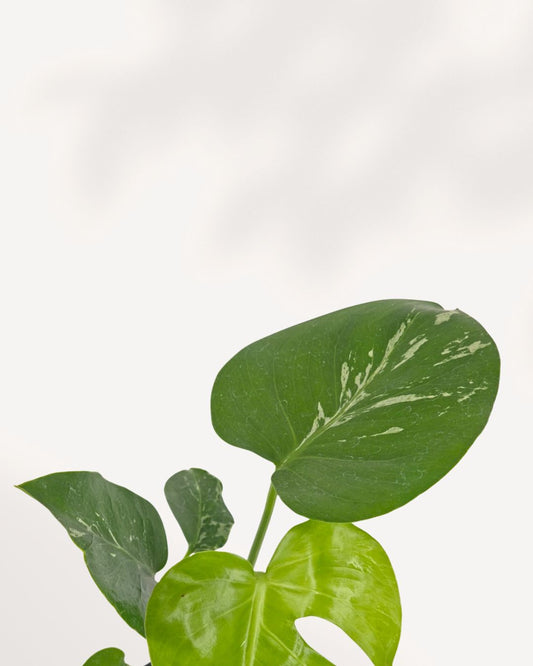
Monstera Bulbasaur
Regular price $150Regular priceUnit price per -
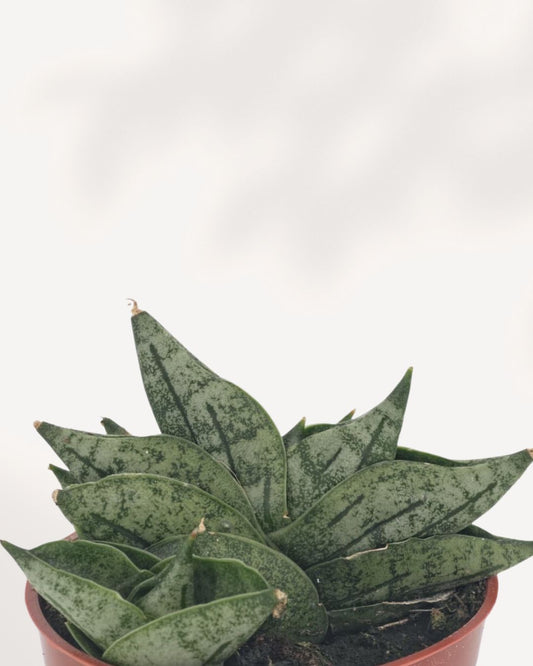
Sansevieria Dwarf Boncel Starfish
Regular price $8Regular priceUnit price per -
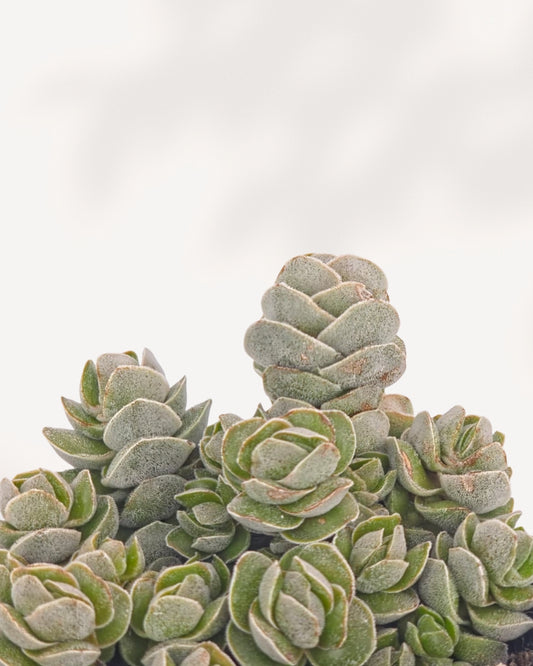
Crassula Ivory Pagoda
Regular price $28Regular priceUnit price per -
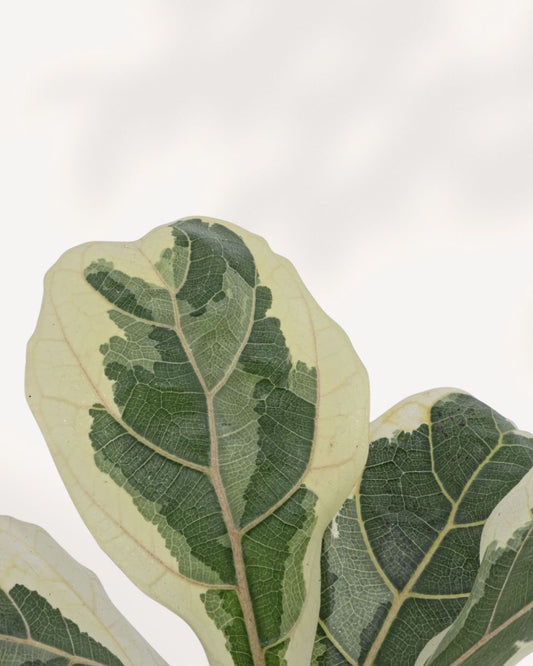
Fiddle Leaf Fig Variegated
Regular price $45Regular priceUnit price per












Learn from Blog's
View all-

Snake Plant vs ZZ Plant: Two Plants Even Plant ...
People kill both of these plants by watering them normally. The ZZ stores water in underground rhizomes that look like potatoes. The snake plant stores it in its leaves. Overwater...
Snake Plant vs ZZ Plant: Two Plants Even Plant ...
People kill both of these plants by watering them normally. The ZZ stores water in underground rhizomes that look like potatoes. The snake plant stores it in its leaves. Overwater...
-

5 Easy Indoor Plants You Won't Kill in a Canadi...
Beginner plants dying in Canadian homes has nothing to do with light or neglect. It's water. Too much of it, especially from November to March when the soil takes twice...
5 Easy Indoor Plants You Won't Kill in a Canadi...
Beginner plants dying in Canadian homes has nothing to do with light or neglect. It's water. Too much of it, especially from November to March when the soil takes twice...


MyGreenScape is your go-to online shop for indoor plants in cities Ontario or Quebec, including Toronto, Montreal, and many more. Our mission is to add joy to your home, one leaf at a time. Explore our range of beautiful, air-cleaning plants from the comfort of your home. You can find beautiful indoor plants, pots for plants, garden tools, and hanging basket plants all in one spot. Our mission is to add joy to your home, one leaf at a time.
Buying plants online with us means no more carrying heavy pots or figuring out how to get big plants home. We deliver straight from the gardener to you, with eco-friendly packaging, across Ontario and Quebec. Expect your new green friends within 2-7 days.
Why choose MyGreenScape? Here’s why:
- Lifetime Support: We’re here for you always. Get all the help you need for your plants to flourish.
- 30-Day Happy Plant Guarantee: Not happy with your plant? Tell us within 30 days, and we’ll fix it.
- Easy Delivery: Fast, direct to your doorstep in Ontario or Quebec.
Hear from a happy customer, Sarah T.: "Buying plants was never easier. Quick, simple, and with great support from MyGreenScape."
Ready for easy, stress-free plant shopping? Visit us now and make your home greener. Join MyGreenScape for a hassle-free way to bring nature inside.