
Hoya Carnosa Care Essentials for Healthy Leaves and Blooms
Despite its reputation for being low-maintenance, many Hoya carnosa owners struggle with issues like leaf puckering or late blooming. Many beginners struggle with such problems, as one user on Reddit asked why his Hoya plant hasn’t grown even a single leaf for the last two months.
If you also wonder why your Hoya carnosa seems stuck, you’re at the right place. In this guide, we’ll break down every essential aspect of Hoya care, including watering, light requirements, soil mixes, and humidity needs.
Read on to learn how to keep your Hoya carnosa growing year-round. By the end, you’ll have everything you need to turn common Hoya struggles into reliable blooms.

A Brief Introduction to Hoya Carnosa Plant Care
To grow, Hoya carnosa needs the right mix of light, water, and nutrients. In this guide, we’ll cover all aspects, including:
- Let the top 40 to 60% the soil dry out before watering again. Deep watering every 10 days in summer and less in winter keeps roots healthy.
- Hoya carnosa grows best in bright, indirect light. Plus, keep your Hoya warm (65 to 85°F), but it should not dip below 50°F.
- Use a fast-draining mix, as it mimics their natural epiphytic environment.
- Maintain 60 to 80% humidity because this plant appreciates a gentle moisture boost for better blooming.
- Feed with a balanced or bloom-boosting fertilizer every 4 to 6 weeks during spring and summer to support vines and flowers.
- Trim dead stems and shape vines (but never cut flower spurs).
Read on for actionable care tips and find your favorite Hoya plant on MyGreenScape.
Hoya Carnosa Quick Care Guide
Now you know the main care needs. Keep reading to learn exactly how to water, feed, and care for your Hoya plant throughout the year.
|
Care Aspect |
Requirement |
Key Tips |
|
Watering |
Every 10 days in summer; less in winter |
Let top 1-2 inches dry before watering; avoid waterlogging |
|
Light |
Bright, indirect sunlight |
200-400 foot-candles; east or west-facing window ideal |
|
Temperature |
65-85°F (18-29°C) |
Never below 50°F; avoid cold drafts |
|
Humidity |
60-80% |
Use pebble tray or humidifier for best blooming |
|
Soil |
Fast-draining, chunky mix |
1 part peat + 1 part perlite + 1 part orchid bark |
|
Fertilizer |
Every 4-6 weeks (spring-summer) |
Balanced 10-10-10 NPK at half strength |
|
Pot Size |
6-8 inches for mature plants |
Must have drainage holes |
|
Pruning |
Trim as needed |
Never cut flower spurs; shape vines for bushiness |
|
Blooming |
Spring to summer |
Needs bright light and mild dry rest period |
Everything You Need to Know About the Hoya Carnosa Plant
Hoya carnosa, the wax plant, is a semi-succulent plant native to Eastern Asia and Australia. This type of plant is known for oval leaves and clusters of star-shaped blooms. Plus, Hoya is adaptable to indoor life, but to flourish, you must meet its preferences. The table below summarizes the key traits and needs of this air-purifying plant:
|
Attribute |
Detail |
|
Botanical Name |
Hoya carnosa |
|
Common Names |
Wax plant, porcelain flower, honey plant |
|
Family |
Apocynaceae |
|
Plant Type |
Semi-succulent perennial vine |
|
Hardiness Zones |
USDA 8 to 11 |
|
Size |
Trailing/climbing 6 to 20 ft (indoors) |
|
Bloom Time |
Spring–summer (sometimes fall) |
|
Flower Color |
White, pink, red with colored centers |
|
Native Area |
Tropical Asia and Australia |
Continue reading for care instructions and tips for each of these categories. By following this Hoya carnosa care guide, you’ll be able to enjoy a healthy plant in your home.
Popular Hoya Carnosa Varieties
|
Variety Name |
Leaf Characteristics |
Growth Habit |
Flower Features |
Care Difficulty |
|
Hoya carnosa 'Compacta' (Hindu Rope) |
Thick, curled, rope-like leaves; deep green |
Compact, slow-growing trailing vine |
Pink to white star-shaped clusters |
Easy; tolerates lower light |
|
Hoya carnosa 'Krimson Queen' |
Green center with creamy white/pink edges; variegated |
Moderate growth; vining |
Pink-centered white blooms |
Moderate; needs bright light for variegation |
|
Hoya carnosa 'Krimson Princess' |
Creamy white center with green edges; variegated |
Moderate growth; vining |
Pink-centered white blooms |
Moderate; needs bright light for variegation |
|
Hoya carnosa 'Tricolor' |
Green, white, and pink variegation |
Slower growth; compact vining |
White with pink centers |
Moderate to difficult; requires optimal conditions |
|
Hoya carnosa 'Chelsea' |
Thick, glossy dark green leaves; larger than standard |
Vigorous, fast-growing vining |
Large pink-white clusters |
Easy; very tolerant |
|
Hoya carnosa 'Variegata' |
Irregular cream and green splashes |
Moderate vining growth |
White with red centers |
Moderate; sensitive to overwatering |
|
Hoya carnosa (Standard/Green) |
Plain glossy green oval leaves |
Fast-growing, vigorous vining |
White to pale pink with red centers |
Very easy; most forgiving variety |
 Areca Palm Buy Now
 Parlor Palm Buy Now
 Boston Fern Buy Now
 Money Tree Buy Now
 Ponytail Palm Buy Now
 Prayer Plant Buy Now
 Cast Iron Plant Buy Now
 Peperomia Watermelon Buy Now
 Baby Rubber Plant Buy Now
 Hoya Plant Buy Now
How Often Should You Water a Hoya Carnosa Plant?
Hoya carnosa is drought-tolerant, so water infrequently but deeply. Let the top 1 to 2 inches of soil dry out before watering again. In practice, this often means watering about once a week in summer, and much less in winter. While watering, fill the pot until water flows out the drainage holes and empty any saucer.
Hoya Carnosa Plant Watering Tips for Proper Growth
- Check Soil Moisture: Use your finger or a moisture meter to make sure that the top 1 to 2 inches are dry before watering.
- Deep Soak: Water thoroughly until excess drains out, as this prevents salt buildup and encourages deep rooting.
- Avoid Overwatering: Water sparingly because a waterlogged Honey plant develops root rot quickly.
- Seasonal Adjustment: Reduce watering in cooler months (plants grow more slowly) and increase slightly in hot weather due to dry weather.
- Humidity Helps: Higher humidity slows soil drying, so in humid homes, you’ll water less.
If you’d like more details, explore this guide to master indoor plant watering.
What Are the Major Hoya Carnosa Plant Light Requirements?
Mostly, Hoya carnosa grows perfectly in bright, indirect sunlight. In nature, it grows under a forest canopy, so diffused light suits it best. You need to place your wax plant near an east- or west-facing window with filtered sun. Moreover, there is also an option to keep them 1 to 4 feet away from a strong south/west window.
Usually, hot sun can scorch the leaves, so use curtains or shade cloth if needed. However, keep in mind that too little light will make it leggy and reduce blooming. If natural light is limited, follow this light care guide or use grow lights for 12 to 14 hours daily.
Light Requirements at a Glance:
To help you assess your Hoya's lighting conditions, use the table below as a reference guide. It breaks down light types, placement options, and pot size etc.
|
Light Type |
Window Placement & Distance |
Light Meter Reading |
Recommended Pot Size |
NPK Fertilizer Ratio |
Growth Result |
|
Bright, Indirect Light (Ideal) |
East or West-facing window, 1-4 feet away |
200-400 foot-candles (2,000-4,000 lux) |
6-8 inches for mature plant |
10-10-10 or 5-10-5 (balanced to bloom-boost) |
Healthy growth, compact form, regular blooming |
|
Moderate Indirect Light |
North-facing window or 3-6 feet from bright window |
100-200 foot-candles (1,000-2,000 lux) |
4-6 inches (slower growth, smaller pot acceptable) |
10-10-10 at half strength |
Slower growth, reduced blooming, acceptable maintenance |
|
Direct Sunlight |
South or West-facing window (unfiltered), direct exposure |
400+ foot-candles (4,000+ lux) |
6-8 inches with excellent drainage |
Reduce feeding; 5-10-5 at quarter strength |
Leaf scorch, brown spots, stress (avoid prolonged exposure) |
|
Low Light |
Interior room, 6+ feet from window |
Below 100 foot-candles (below 1,000 lux) |
4 inches max (avoid large pots in low light) |
Minimal or no fertilizer needed |
Leggy growth, no blooming, leaf drop, decline |
|
Grow Lights (LED/Fluorescent) |
6-12 inches above foliage, 12-14 hours daily |
200-400 foot-candles equivalent |
6-8 inches standard |
10-10-10 or 7-9-5 (regular feeding) |
Consistent growth year-round with proper fertilization |
Which Temperatures Are Ideal for Hoya Carnosa Plants?
While learning how to care for Hoya carnosa, aim for around 60 to 85°F (15 to 29°C) daytime temperatures. Nights should stay above about 50°F (10°C) to prevent chill stress. Normal home heating is usually fine, but never expose the plant to freezing or chilly drafts.

Hoya Carnosa Temperature Tips
- Temperatures below 50°F can damage foliage, though Hoya carnosa is a bit harder than some exotic varieties.
- During the Northern Hemisphere winters, you’ll need to buy enough heat packs to keep your plants safe.
- Keep the environment stable and avoid placing it next to ice-cold windows or hot air vents to let the plant bloom reliably.
What Soil Type and Fertilizer Routine Does a Hoya Carnosa Need?
Proper soil and feeding are key to the proper growth of Hoya carnosa. Go through these plant care tips to help your Honey plant bloom:
Soil and Potting Tips
For proper Hoya carnosa care, a good DIY blend is one part peat moss, one part perlite (or pumice), and one part orchid bark. This chunky mix mimics the plant’s epiphytic nature and ensures no waterlogging.
Always use a pot with drainage holes, which you can find in the MyGreenScape pot collection. For the best soil for Hoya carnosa, try a potting mix specifically labeled for succulents or mix your own with these components.

Fertilizer Requirements
Hoya carnosa isn’t a heavy feeder, but regular light feeding encourages blooms. During the growing season (spring and summer), apply a balanced liquid fertilizer (10-10-10 NPK) at half strength about once a month.
However, you may need to cut back on feeding in the fall and winter. For convenience, see MyGreenScape’s soil and fertilizer collection for ready mixes.
What Humidity Levels Does a Hoya Carnosa Need to Grow?
Hoyas are native to humid jungles, so they enjoy moderate to high humidity. While following the Hoya carnosa care guide, aim for at least 50%, and ideally 60 to 80% humidity. In homes with very dry air, the leaves may turn brown-edged.
Tips to Maintain Better Humidity
- Mostly, you can boost humidity by misting the plant regularly or placing it on a pebble tray of water.
- Grouping Hoya with other plants or using a room humidifier also helps raise ambient moisture.
- Even though thick-leaved Hoya varieties tolerate average home humidity, most Hoyas appreciate extra moisture in the air.
Still have any questions about plant care? Choose MyGreenScape for lifetime plant support.
Discover Our Indor Plant Collection 🌿
Explore indoor plants that fit easily into bedrooms, living rooms, offices, and cosy corners across your home.
Explore NowHow Does Pruning Help in Hoya Carnosa Plant Care?
Pruning keeps your Wax Vine plant neat and promotes vigorous growth. To do pruning the right way, follow these tips:
- If stems get leggy, you can trim back a few inches at a leaf node, as new side shoots will emerge there.
- Always remove any dead or yellow leaves and stems promptly.
- Never cut off the flower spurs, as these are the budding sites for next season’s blooms.
- When you do prune, the plant will exude milky sap, so simply wipe it up or let it dry.
- You can trim long vines to encourage bushiness or wind them around a trellis.

Benefits and Placement Ideas for Hoya Carnosa
Key Benefits of Growing Hoya Carnosa:
- Air Purification: Hoya carnosa naturally filters indoor air pollutants and improves air quality in your home.
- Low Maintenance: This semi-succulent requires infrequent watering and tolerates some neglect, making it perfect for busy plant owners.
- Long-Lived Beauty: With proper care, your Hoya can thrive for decades, becoming a cherished part of your home.
- Fragrant Blooms: The star-shaped flowers produce a sweet, honey-like fragrance, especially in the evening.
- Pet-Friendly: Hoya carnosa is non-toxic to cats and dogs, providing peace of mind for pet owners.
Creative Placement and Display Options
|
Display Method |
Best For |
Care Considerations |
|
Hanging Basket |
Showcasing trailing vines; small spaces |
Ensure adequate light reaches the plant; easier to check soil moisture from below |
|
Trellis or Moss Pole |
Creating vertical interest; compact spaces |
Wind vines as they grow; supports aerial root development |
|
Shelf Display |
Allowing vines to cascade naturally; beginners |
Place near a window; vines will drape elegantly over time |
|
Macramé Hanger |
Bohemian or tropical décor styles |
Check that weight capacity supports mature plant growth |
|
Tabletop with Support |
Younger plants; eye-level viewing |
Ideal for observing new growth and blooms up close |
|
Wall-Mounted Planter |
Space-saving; creating living art |
Requires secure installation; consider watering access |

What Can You Do to Help Hoya Carnosa Bloom?
Hoya carnosa’s star-shaped flower clusters are its most coveted feature. To encourage blooming, you have to provide bright light and warm conditions. Some growers give Hoya carnosa a mild “dry rest” in spring (withhold water for a few weeks) to trigger flowers.
Moreover, you should fertilize lightly in spring/summer, as a hungry plant will bloom better. Crucially, never remove the plant’s flower spurs, as these woody nubs along the vine produce blooms year after year.

Hoya Carnosa blooms best in warmth, ideally between 60°F and 85°F. If it gets too cold, the plant may enter dormancy and halt flowering. Eventually, patience pays off because Hoya often blooms once or twice yearly (usually in warmer months).
How Can You Successfully Propagate Hoya Carnosa?
Propagating Honey plants by stem cuttings is pretty simple. Follow these detailed Hoya Carnosa propagation steps for better growth:

Step 1. Select a Healthy Cutting
Using clean scissors, snip a 4 to 6-inch section of vine just below a leaf node. You need to make sure that the stem has at least 2 to 3 leaves above the cut. Remove leaves from the lower half of the cutting.
Step 2. Plant the Cutting
Stick the bare end into a small pot of well-draining mix (perlite or seed-starting mix) or place it in water. For better support, use Coco Coir Poles from MyGreenScape.
Step 3. Create Humidity
Cover the cutting with a clear plastic bag or dome to keep moisture high. Place it in indirect light (avoid direct sun) and keep the soil lightly moist but not soggy.
Step 4. Wait for Roots to Grow
In 2 to 4 weeks, roots should develop from the buried node. You can gently tug to check for resistance. Once well-rooted, unbag the plant and care for it as a young Hoya.
When roots fill the small pot, repot into a larger pot container with regular Hoya soil mix. With these steps, almost any healthy Hoya carnosa vine can become a new plant.
With these steps, almost any healthy Hoya carnosa vine can become a new plant.
|
Timeline |
Propagation Stage |
What's Happening |
What To Do |
Signs of Success |
|
Day 1 |
Initial Cutting |
Fresh cut exposed; plant entering survival mode |
Take cutting, remove lower leaves, place in water or soil; cover with plastic dome |
Cutting remains firm and turgid |
|
Week 1 |
Callusing Period |
Cut end forming protective callus tissue |
Keep humidity high; mist daily if needed; ensure indirect light |
No wilting; leaves stay green and perky |
|
Weeks 2-3 |
Root Initiation |
Small root bumps (primordia) forming at nodes |
Maintain consistent moisture; don't disturb cutting; keep covered |
Tiny white bumps visible at nodes; no leaf yellowing |
|
Weeks 3-4 |
Active Root Growth |
Roots elongating from nodes into medium |
Continue humidity; gently tug to test for resistance |
Roots 1-2 inches long; cutting resists gentle tugging |
|
Weeks 4-6 |
Root Establishment |
Root system branching and strengthening |
Gradually reduce humidity cover (crack open dome); begin light fertilizing (quarter strength) |
Multiple roots 2+ inches; new leaf growth may appear |
|
Week 6+ |
Transition to Mature Care |
Young plant establishing as independent |
Remove humidity cover completely; repot if roots fill container; follow standard Hoya care |
New leaves unfurling; vigorous root system; ready for regular pot |
What Are the Typical Hoya Carnosa Plant Problems and Solutions?
Despite careful care, Honey plants can experience problems. Here’s a guide to common Hoya carnosa issues and their solutions.
1. Pest Problems
Hoya carnosa can attract sap-sucking insects, including:
Spider Mites: Look for fine webbing and speckled leaves in very dry air. To avoid these bugs, increase humidity and spray leaves with water or insecticidal soap to knock them off. A neem oil treatment also works for these insects.
Mealybugs: These appear as white cottony clumps on stems or leaf joints. Gently remove them with a cotton swab dipped in alcohol or use insecticidal soap.
Scale Insects: Such bugs appear as small brown bumps on stems. Remove them by hand or with a cloth and treat with neem or horticultural oil. We recommend you use Sticky Sticks to capture insects and prevent them from ruining your plant.
2. Common Diseases
Some of the typical Hoya diseases you should be aware of are as follows:
Root Rot: Caused by overwatering, this disease will make the base smell foul and leaves turn yellow. Remedy the root rot disease by repotting in a fresh, dry mix and watering sparingly.
Gray Mold: Rare, but if humidity is too high or air is stagnant, gray fuzzy mold can appear on decaying blooms. Remove affected parts, improve air circulation, and reduce humidity.
3. Wrinkled Leaves
When you fail to follow the Hoya carnosa care guide, you will see wrinkled leaves. They usually appear due to severe underwatering or low humidity. So, you have to increase watering and humidity to avoid dryness in the roots.
4. Flower Bud Drop
Most of the time, buds may fall if the plant experiences stress. Bud drop often means the soil was too wet or too dry for too long. Moreover, sudden cold drafts can cause leaves to drop, so keep the plant warm and stable.
5. Scorched or Yellow Leaves
Direct sun can burn leaves, which will eventually cause yellow. Therefore, we recommend you move the plant to more indirect light. Yellowing can also indicate nutrient issues or pests, so check for mealybugs or aphids.
To add a real-world example, here’s a Reddit post where a user shared their simple Hoya care guide.
Troubleshooting Guide: Common Hoya Carnosa Problems
Use this quick-reference guide to identify issues, understand their causes, and apply effective solutions with preventive measures.
|
Problem |
Symptoms |
Cause |
Solution |
Prevention |
|
Spider Mites |
Fine webbing; speckled leaves |
Very dry air |
Spray with water or insecticidal soap; apply neem oil |
Maintain 60-80% humidity; mist regularly |
|
Mealybugs |
White cottony clumps on stems |
Sap-sucking pests |
Remove with alcohol-dipped cotton swab; use insecticidal soap |
Quarantine new plants; inspect weekly |
|
Scale Insects |
Small brown bumps on stems |
Pest infestation |
Remove by hand; treat with neem or horticultural oil |
Check plants before purchase; use Sticky Sticks |
|
Root Rot |
Foul smell; yellow leaves; mushy stems |
Overwatering; poor drainage |
Cut rotten roots; repot in fresh, dry mix; reduce watering |
Use well-draining soil; let top 1-2" dry between watering |
|
Gray Mold |
Gray fuzzy mold on blooms |
High humidity; poor airflow |
Remove affected parts; improve air circulation |
Ensure good airflow; remove spent blooms promptly |
|
Wrinkled Leaves |
Shriveled, puckered leaves |
Severe underwatering; low humidity |
Increase watering; boost humidity with pebble tray |
Water when top 1-2" dry; maintain 60-80% humidity |
|
Bud Drop |
Buds fall before opening |
Inconsistent watering; cold drafts |
Stabilize watering; keep warm (60-85°F); avoid moving plant |
Consistent watering; stable temperatures; no drafts |
|
Scorched Leaves |
Brown crispy patches; bleached spots |
Direct sun; excessive light |
Move to indirect light; use sheer curtains |
Keep 1-4 feet from bright windows; 200-400 fc light |
|
Yellow Leaves |
Entire leaves yellowing |
Nutrient deficiency; pests; overwatering |
Check for pests; adjust watering; fertilize if needed |
Feed 10-10-10 NPK monthly (spring-summer); inspect regularly |
|
Leggy Growth |
Long sparse stems; weak appearance |
Insufficient light; poor nutrients |
Move to brighter spot; repot in fresh mix; fertilize |
Provide 200-400 fc light; use 6-8" pot; feed monthly |
Frequently Asked Questions
Does Hoya carnosa need direct sunlight?
No, Hoya carnosa prefers bright, indirect light for best growth. Direct sunlight can scorch the leaves, while too little light prevents blooming and slows growth.
How often should I fertilize Hoya carnosa?
Fertilize monthly during the growing season with diluted liquid fertilizer. Reduce feeding in fall and winter when the plant enters dormancy and growth naturally slows.
Can Hoya carnosa tolerate cold temperatures?
Hoya carnosa prefers temperatures between 60-80°F and tolerates brief drops to 50°F. Prolonged cold exposure will damage the plant and stunt its growth significantly.
Should I mist my Hoya carnosa?
No, misting is not necessary for Hoya carnosa as it tolerates average household humidity. Excessive moisture on leaves can actually promote fungal issues and leaf spotting.
How do I know when to repot Hoya carnosa?
Repot when roots emerge from drainage holes or growth slows noticeably. Hoya carnosa blooms better when slightly root-bound, so repotting every 2-3 years is sufficient.
Conclusion
Throughout this Hoya carnosa care guide, you have learned that this plant rewards attentive care. We’ve covered every need, including watering schedules, lighting, propagation, and pest fixes, to help your Wax plant grow.
If you are looking to buy a Hoya carnosa, MyGreenScape offers quality tropical houseplants and all the supplies you need. Check out our Hoya Carnosa product page to add a wax vine to your collection.
The Positive Impact of Plants
-
Plants and Healing
Working with plants soothes the mind. It feels calming and healing, offering a peaceful break from daily life.
-
Plants for Recovery
Being around plants can speed up healing from sickness, making you feel better quicker in a natural way.
-
Plants and Work
Plants in your space may make your work better and faster, enhancing focus and creativity during tasks.
LETTING CUSTOMERS SPEAK FOR US!
Shop by Feature
-

Pet Friendly Plants
Not all houseplants are safe for pets, but you can still enjoy...
-

Air Purifying Plants
Improve indoor air quality naturally with our quality air-purifying plants. These plants...
-

Easy Grower Plants
Premium easy grower houseplants shipped fresh across the GTA. Perfect for beginners....
-

Low Light Indoor Plants
Want to bring life to spaces that don’t get enough sunlight? Explore...


FAQs for Plant Delivery in Ontario & Quebec
What types of house plants do you offer for delivery.
We offer a wide variety of houseplants for delivery. Here are some of the popular options: Aglaonema, Alocasia, Calathea, Hoya, Monstera, Palm, Peperomia, Philodendron, Pothos, Sansevieria Snake, Syngonium, Tradescantia.
What is the lifetime support?
All plants purchased from our store or through our workshops come with lifetime support. This means that whenever you have questions or concerns about your plant, we're here to help. Whether you're unsure about your plant's health or need advice, we can assist in identifying problems, answering your questions, and potentially saving your plant. Feel free to reach out to us on Instagram @mygreenscapeto or via email at support@mygreenscape.ca.
Where do MyGreenScape plants come from?
Our plants embark on a journey from various greenhouses across Canada. We prioritize short delivery routes to ensure your plant arrives happy, healthy, and full of vitality.
Do I have to repot my plants once they arrive?
Absolutely not! When your plant arrives, give it time to settle into its new home. Place it in the desired spot, and let it acclimate for about two weeks.
-

UNBEATABLE QUALITY
We source directly from top-rated growers, so we can sell the finest quality plants at the very best prices.
-

FREE DELIVERY
On qualifying orders,
typically arriving within 72 hours in the GTA
and 2–4 business days elsewhere.
-

LIFETIME PLANT SUPPORT
On all our plants purchased. If you have any questions or concerns don't hesitate to contact us!
-

HAPPY PLANT GUARANTEE
Your happiness is our top priority, which is why we offer a unbeatable 30-day satisfaction guarantee.


Favorite in our plant shop
-
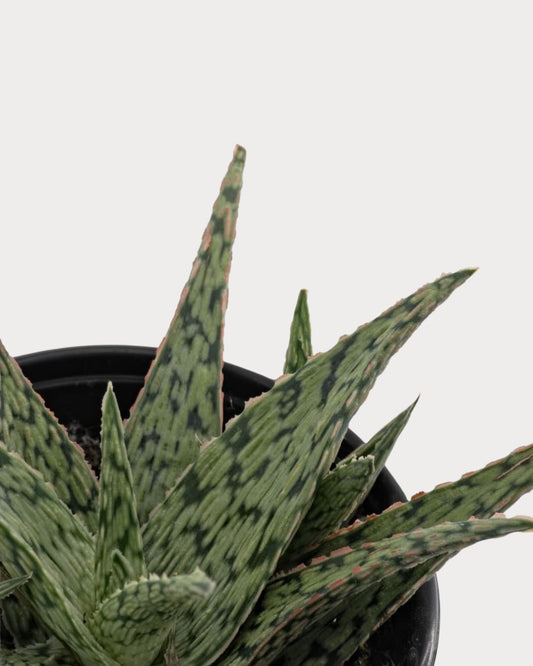
Aloe Pink Blush
Regular price $20Regular priceUnit price per -

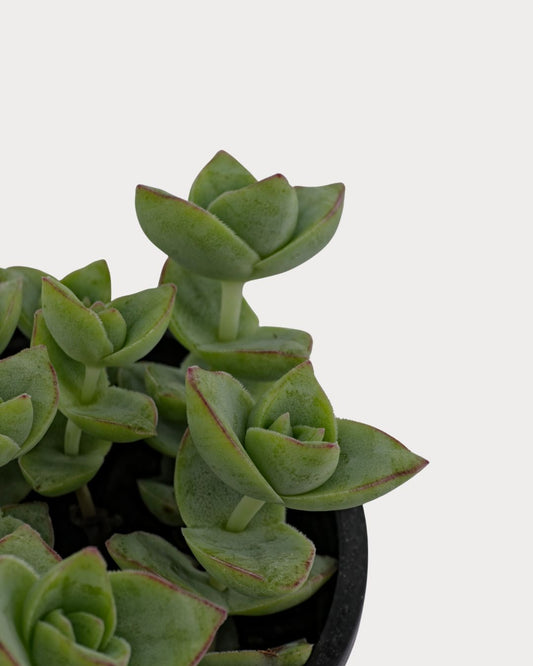 Join Waitlist
Jade Necklace (Crassula marnieriana)
Regular price $12Regular priceUnit price per -
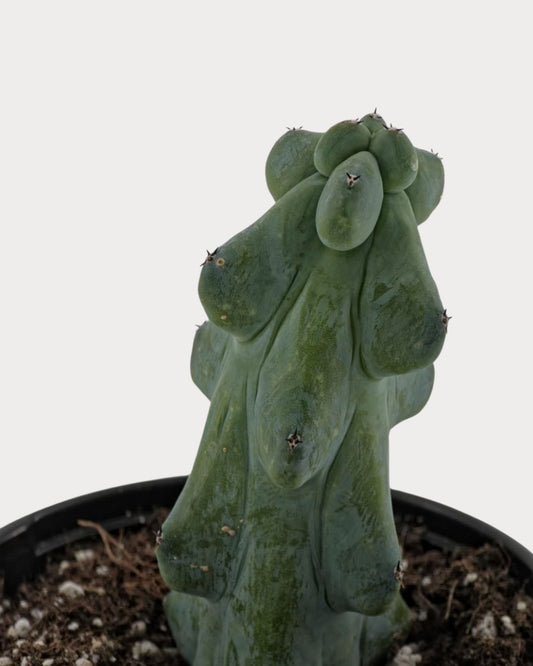
Boobie Cactus (Fukurokuryuzinboku)
Regular price $35Regular priceUnit price per -
Hoya Cumingiana
Regular price $15Regular priceUnit price per -
Ficus Elastica Burgundy
Regular price From $16Regular priceUnit price per -
Kalanchoe Thyrsiflora Flapjack
Regular price $18Regular priceUnit price per -
Ivy Marengo
Regular price From $10Regular priceUnit price per -

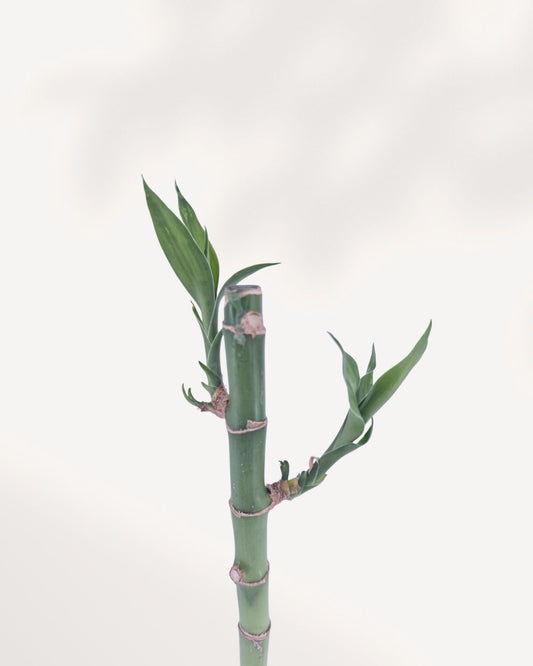 Join Waitlist
Lucky Bamboo Stem
Regular price $10Regular priceUnit price per -
Dracaena Fragrans Massangeana
Regular price $40Regular priceUnit price per -
Dieffenbachia Tiki
Regular price $15Regular priceUnit price per -
Anthurium Hookeri
Regular price $45Regular priceUnit price per -
Monstera Bulbasaur
Regular price $150Regular priceUnit price per












Learn from Blog's
View all-

Snake Plant vs ZZ Plant: Two Plants Even Plant ...
People kill both of these plants by watering them normally. The ZZ stores water in underground rhizomes that look like potatoes. The snake plant stores it in its leaves. Overwater...
Snake Plant vs ZZ Plant: Two Plants Even Plant ...
People kill both of these plants by watering them normally. The ZZ stores water in underground rhizomes that look like potatoes. The snake plant stores it in its leaves. Overwater...
-

5 Easy Indoor Plants You Won't Kill in a Canadi...
Beginner plants dying in Canadian homes has nothing to do with light or neglect. It's water. Too much of it, especially from November to March when the soil takes twice...
5 Easy Indoor Plants You Won't Kill in a Canadi...
Beginner plants dying in Canadian homes has nothing to do with light or neglect. It's water. Too much of it, especially from November to March when the soil takes twice...


MyGreenScape is your go-to online shop for indoor plants in cities Ontario or Quebec, including Toronto, Montreal, and many more. Our mission is to add joy to your home, one leaf at a time. Explore our range of beautiful, air-cleaning plants from the comfort of your home. You can find beautiful indoor plants, pots for plants, garden tools, and hanging basket plants all in one spot. Our mission is to add joy to your home, one leaf at a time.
Buying plants online with us means no more carrying heavy pots or figuring out how to get big plants home. We deliver straight from the gardener to you, with eco-friendly packaging, across Ontario and Quebec. Expect your new green friends within 2-7 days.
Why choose MyGreenScape? Here’s why:
- Lifetime Support: We’re here for you always. Get all the help you need for your plants to flourish.
- 30-Day Happy Plant Guarantee: Not happy with your plant? Tell us within 30 days, and we’ll fix it.
- Easy Delivery: Fast, direct to your doorstep in Ontario or Quebec.
Hear from a happy customer, Sarah T.: "Buying plants was never easier. Quick, simple, and with great support from MyGreenScape."
Ready for easy, stress-free plant shopping? Visit us now and make your home greener. Join MyGreenScape for a hassle-free way to bring nature inside.