


Couldn't load pickup availability
Applied automatically at checkout. Valid 90 days.
Read more
About This Plant
Other Plants You Might Like
Ficus Ginseng Bonsai. The indoor bonsai alternative.
Ellwoodii Cypress. Cool-tolerant conifer for indoors.
Jade Plant. Long-lived indoor sculptural plant.
Common Questions
Can I keep my Juniper Bonsai indoors in Canada year-round?
No. Juniper is a temperate outdoor conifer that requires a cold winter dormancy period below 10 degrees C to survive long-term. Kept in a warm indoor room year-round it will appear healthy for a few months but will gradually decline and die within one to two years. If you want a bonsai that lives entirely indoors year-round, the Ficus Ginseng Bonsai is the right choice.
Where should I overwinter it in Canada?
An unheated but frost-protected location is ideal: an unheated garage that stays above minus 5 degrees C, a cold room, an enclosed but unheated porch, or a sheltered outdoor position against a south-facing wall with protective covering during the coldest periods. The goal is cold dormancy, not freezing. Check the soil every two to three weeks and water if completely dry.
Is Juniper Bonsai toxic to cats and dogs?
Yes. The ASPCA confirms Juniperus spp. is toxic to dogs and potentially harmful to cats. The berries, foliage, and bark can cause vomiting and gastrointestinal upset. Keep out of reach of pets and small children.
The foliage is turning brown inside the pads. Is this normal?
Some inner foliage browning is a normal seasonal shedding of old interior growth, which happens more noticeably in autumn as the plant approaches dormancy. It is also caused by keeping the plant indoors in warm, dry conditions where the foliage dries out. If the outer, visible foliage is also browning, the plant is likely too warm and dry. Move it outdoors or to its cold winter position immediately.
How do I water it in winter dormancy?
Check the soil every two to three weeks during cold winter storage. The goal is to prevent the root ball from drying out completely, not to keep it moist. If the soil is still slightly damp on your check, leave it. If it is completely dry, water with a small amount and allow complete drainage. Never water a fully dormant Juniper as frequently as an actively growing plant.
How to Take Care of Juniper Bonsai
Good to Know
Sun: Direct outdoor sun
Sun: Direct outdoor sun
Light: Full outdoor sun
Light: Full outdoor sun
Water: When top inch is dry (outdoors) or check every 2-3 weeks (dormancy)
Water: When top inch is dry (outdoors) or check every 2-3 weeks (dormancy)
Humidity: Moderate to high outdoor humidity
Humidity: Moderate to high outdoor humidity
Pet Friendly: No
Pet Friendly: No
Pro Tip
Pro Tip
What To Expect
Shipping and Delivery Details
Shipping and Delivery Details
Choose local GTA delivery, free Richmond Hill pickup, or shipping across Canada. Pick your delivery or pickup date at checkout, we'll have it ready and fresh for you. See full shipping and delivery details.
30-Day Happy Plant Guarantee
30-Day Happy Plant Guarantee
If your plant arrives damaged or isn't healthy, contact us within 30 days with a photo. We'll send a replacement or a full refund, and we cover return shipping.
View our complete guarantee policy
Frequently Asked Questions
Frequently Asked Questions
Certainly! If you're pondering about ordering plants online, you're not alone. We've compiled the most frequently asked questions. Check out our FAQ section here for quick answers! Happy planting!
Plant and Pot Size Guide
Plant and Pot Size Guide
4" Pot (Small): plant is approx. 6-10 inches tall. 6" Pot (Medium): approx. 12-18 inches tall. All plants come in a standard nursery pot. Decorative pots are sold separately.
Winter Shipping Protection
Winter Shipping Protection
Between November and March, you can add Winter Shipping Protection at checkout. It adds insulated packaging and heat packs to protect your plant from the cold in transit. Cold damage is only covered if it's added to your order.
You can add winter shipping protection at checkout.
Returns Policy
Returns Policy
If your plant arrives damaged, has pests, or starts to decline within 30 days, we'll send a replacement or a full refund, and we cover return shipping.
Change of mind, repotted or trimmed plants, and cold damage without Winter Shipping Protection aren't covered. See our full Return Policy


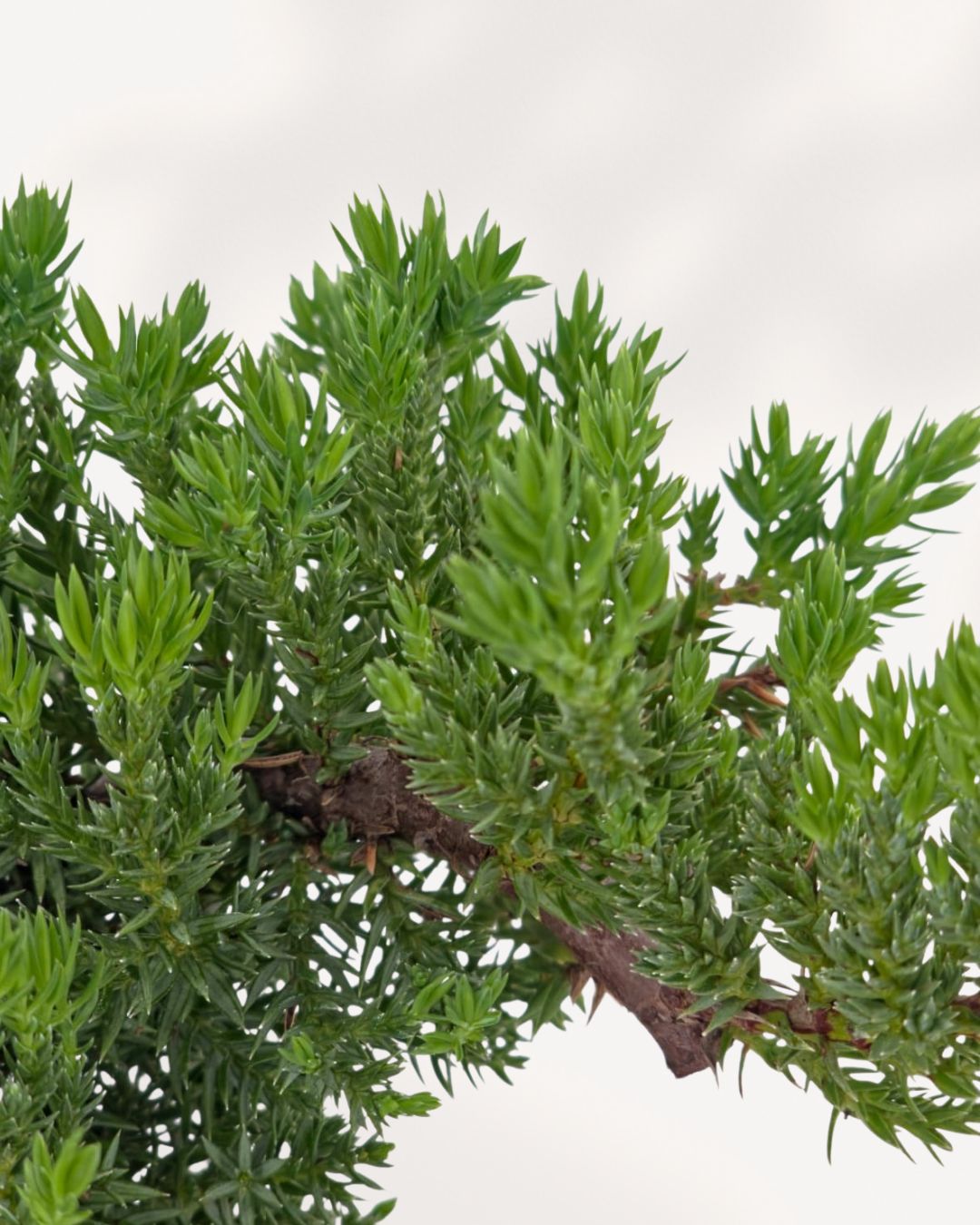
Plant care essentials
Everything you need to keep this plant thriving.


Hear From Happy Plant Parents.
Who have brought Mygreenscape plants into their homes.


