
A Complete Care Guide for Zebra Plant Aphelandra

When gardeners bring home the Zebra Plant Aphelandra, they often find themselves struggling despite caring diligently. For example, one Reddit user shared: “I recently got my zebra plant; it was doing well for the first couple of weeks, but now I’m noticing some browning in the leaf tips, and the leaves are drooping.
This shows that mere neglect is not the cause of problems like brown tips and drooping. So it becomes a necessity to find out the reasons and learn to care for the plant properly.
That is where a detailed care guide dedicated to all major steps for general and problem-specific care becomes a must. In this article, you’ll learn exactly what the Zebra Plant Alphelandra needs from the right light and watering schedule to humidity levels and feeding routines.
Quick Summary - Zebra Plant Aphelandra Care Factors
|
Factor |
Parameter |
Why It Matters |
|
Light |
Bright, indirect light |
Direct sun can burn the leaves; indirect light helps the plant grow well. |
|
Temperature & Humidity |
18 – 24 °C (65 – 75 °F), high humidity |
Mimics the zebra plant’s tropical home and keeps leaves from drying out. |
|
Soil Moisture |
Keep the soil moist but not soggy |
Excessive water causes root rot. |
|
Watering |
Every 7–10 days in the regular season, every 1–2 weeks in fall/winter |
Daily watering can cause root decay or hinder growth. |
|
Soil Type |
Well‑draining, peat‑based mix |
Allows air to reach the roots and prevents water from pooling. |
|
Pot Drainage |
Must have drainage holes |
Stops water from collecting and rotting the roots. |
|
Fertilizer Schedule |
Every 4–6 weeks in spring and summer |
Gives the plant nutrients to grow strong and bloom. |
|
Pruning |
Remove dead or yellow leaves |
Helps the plant stay healthy and produce new foliage. |
|
Repotting |
Every 1–2 years in spring |
Gives the roots ample room and fresh soil to grow. |
|
Off‑Season Care |
Reduce watering and feeding in winter |
The zebra plant grows more slowly in cold months and needs less attention. |
Part 1. How to Care for Aphelandra Squarrosa
Zebra Plant Aphelandra is known for its bold white-striped leaves and is native to a tropical houseplant from Brazil. It requires extra care and an environment similar to its natural habitat. Below are some of its factors that a person should notice while growing it in their house.

1. Lighting and Placement
Zebra plants require bright, but indirect sunlight to remain healthy. The optimal temperature for its growth is up to 65°F to 75°F. A point to note is that the plant should be placed in a place where it can get filtered light. The goal is to give it a bright spot without exposing it to harsh rays, as they can scratch the leaves.
Best lighting tips:
- The Zebra Plant should be placed near a north or east-facing window
- Opt for the sheer curtains to filter strong rays
- Avoid dark corners, as low light will lead to thin stems and dull leaves
A helpful breakdown of houseplant care routines including watering habits, light needs, and common mistakes is shared in this indoor plant care guide.
Just picked up this pretty little zebra plant. I usually care for succulents...any tips? (:
byu/abumbleandabee inhouseplants
2. Watering
The plant requires evenly moist soil to grow, but avoid flooding it with excessive amounts of water. To water it, see if the soil is dry and avoid following a fixed routine. Press a finger into the top inch of the soil; if it feels dry, then it’s time to water.
General Watering Tips:
- Opt for the room temperature water to avoid root shock
- Zebra plants require water every 7 to 10 days in spring and summer.
- Also, every 1 to 2 weeks in fall and winter
- Pots with drainage holes can avoid water buildup
To better understand whether tap or distilled water is the right choice for your indoor plants, check out this comprehensive guide
3. Soil and Repotting
Opt for the nutrient-rich soil to support healthy root growth of the Zebra Plant. A ready-made tropical plant mix works well, or a custom blend using potting soil and peat moss can be prepared. This type of soil retains moisture just enough for the roots to absorb water efficiently while preventing them from rotting due to an excess amount of water.
You're unsure about which indoor plant fertilizer to use, this detailed guide explains the differences between NPK ratios, when to feed your plants, and how to select the right formula for healthy growth.

Some Soiling Tips:
- Opt for peat moss or coco coir for enough moisture
- To remove trapped water, avoid garden soil or compacted mixes
- An ideal soil should be less acidic with a pH range of 5.6 to 6.0
4. Temperature and Humidity
For your Zebra Plant to grow well, give it the warm and steamy conditions of its native jungle environment. During their growth period, the ideal temperature range is 18 to 24 degrees and humidity levels above 60 percent. If the humidity drops too low, the leaves may become dry and brown. Therefore, keeping the plant in areas with naturally moist air, such as bathrooms and kitchens, helps it grow properly.
5. Fertilizer
Zebra Plants need a balanced water-soluble fertilizer every 4 to 6 weeks or a liquid houseplant fertilizer once every 1 to 2 weeks. It benefits from regular feeding during its active growing period in spring and summer. The growth naturally slows down during fall or winter seasons, so gardeners must avoid fertilizing the Zebra Plant.
General Tips:
- Feeding the plant during fall or winter cannot be a good approach
- Before fertilizing, watering the soil at first can help it absorb properly
- Opt between organic and synthetic fertilizers for balanced nutrition
Part 2. A Step-by-Step Guide to Propagating Zebra Plant
The best time to make new Zebra Plants is in spring or early summer, right when it's growing the most. Start by cutting a 2 to 3 inch stem tip below a leaf node, ensuring the cutting has at least two leaf nodes for the best chances of rooting. Once you’ve taken the cutting, keep it in warm and humid conditions until new roots form.

Useful Tips in Propagating:
- Opt for a sharp and sterilized tool to cut a healthy side shoot about 4–6 inches long, with 2+ nodes
- Remove lower leaves, leaving a few at the top to help photosynthesis without excess transpiration
- Dip the stem base into the rooting hormone to improve the chances of rooting
- Plant the cutting into a pot with moist and well-draining soil mixed with peat or perlite
- The temperature at which the stem is placed should be 70 degrees in humid conditions, and it should be covered using a clear plastic cover or terrarium
New root development typically takes 2 to 8 weeks, and the process will be visible when new leaves emerge from the nodes. Once roots are established, transfer the young plant to its own pot.
Part 3. Best Outdoor Practices for Zebra Plant Growth
You can grow Zebra Plant outdoors in a warm, humid environment for better aesthetics. However, this plant needs better care for the best growth, as mentioned below:
- They need protection from intense and direct sunlight and from cold temperatures
- For better growth, place them in bright shade, such as beneath trees, and bring them indoors before the temperature drops below 65°F
- Mind that if you bring this plant from indoors to outdoors, it requires regular watering
- Not to forget that it also needs very serious protection from spider mites. These can damage the leaves and cause them to wither or fall off
- Keep the soil moist and put it in a pot with good drainage. Opting for that will prevent the roots from rotting
Part 4. How to Avoid Pests and Diseases in Aphelandra Squarrosa
Zebra Plants can easily get common pests like spider mites. Not to mention that they are also susceptible to diseases like root rot and leaf spot. In such a scenario, high humidity and steady watering are the key to getting rid of such issues. Along with that, inspect Aphelandra Squarrosa regularly for pests or diseases. When you notice anything at all, act fast to minimize the damage.
Expert answers to the most common indoor plant care questions including watering, light, and repotting tips.

Tips to Prevent Pests and Diseases:
- Opt for a humidifier or pebble tray to maintain humidity above 60%
- Wiping down the plant's leaves with a damp cloth at a regular interval
- Set new plants aside for a few weeks to get them pest-free
Part 5. Is Zebra Plant Aphelandra Safe for Pets and Children?
Alphalandra is safe around kids and pet animals. According to the health organization ASPCA, it has been listed as a non-toxic plant without any harmful chemicals. While it isn’t dangerous, it still isn’t edible, as it can lead to stomach discomfort or mild irritation.

Cautions While Keeping the Zebra Plant Indoors:
- Avoid letting pets or kids play with or pull on the leaves
- Opt for a location to place a plant out of reach to prevent chewing by pets or toddlers
Part 6. Where to Get This Plant?
The Zebra Plant is available to buy online at MyGreenScape. The site offers healthy and well potted Zebra Plants ready for delivery across Canada. Each plant is carefully packed to avoid damage during shipping. Visit the product page for details on care tips and current availability.
Conclusion
In the end, the Zebra Plant favors bright and indirect light. The plant will maintain its beautiful white-veined leaves if you provide moist and well-drained soil. Added to that is fertilizing it during its spring and summer growing season. Proper placement and pest checks support long-lasting growth. Explore healthy Zebra Plants now at MyGreenScape and bring tropical beauty into any space.
Frequently Asked Questions
1. Does the Zebra Plant flower indoors?
Yes, it produces bright yellow bracts that resemble flowers during spring or early summer. Strong indirect light supports bract formation indoors. Too much dry air and low light reduce the chances of healthy blooming and color vibrancy.
2. How much light does a Zebra Plant need?
Opt for very bright and indirect light to get the optimal growth when the plant is indoors. A little too much harsh sun can scorch its leaves, and you'll see spindly stems if it's too dim.
3. How tall does a healthy Zebra Plant grow?
Many of them grow about 1 to 2 feet tall when kept indoors with proper care. The plant may grow taller in humid rooms with regular water and bright filtered sunlight. Weak stems should be trimmed to help keep the plant firm and standing upright.
4. Can this plant survive in Low Light?
Zebra Plants do not grow well in dark rooms and may lose their strong white-striped leaf pattern. Putting it in a low light causes slow growth and weak stems that lean toward windows or light sources. Hence, a grow light or brighter window can help keep the plant strong and colorful indoors.
5. How often should the plant be watered?
Every 7 to 10 days in summer and up to two weeks in cooler months is the advised approach. Let the top inch of soil feel dry before adding more water to the pot. As doing it excessively can lead to root rot, always check the moisture level first.
The Positive Impact of Plants
-
Plants and Healing
Working with plants soothes the mind. It feels calming and healing, offering a peaceful break from daily life.
-
Plants for Recovery
Being around plants can speed up healing from sickness, making you feel better quicker in a natural way.
-
Plants and Work
Plants in your space may make your work better and faster, enhancing focus and creativity during tasks.
LETTING CUSTOMERS SPEAK FOR US!
Shop by Feature
-

Pet Friendly Plants
Not all houseplants are safe for pets, but you can still enjoy...
-

Air Purifying Plants
Improve indoor air quality naturally with our quality air-purifying plants. These plants...
-

Easy Grower Plants
Premium easy grower houseplants shipped fresh across the GTA. Perfect for beginners....
-

Low Light Indoor Plants
Want to bring life to spaces that don’t get enough sunlight? Explore...


FAQs for Plant Delivery in Ontario & Quebec
What types of house plants do you offer for delivery.
We offer a wide variety of houseplants for delivery. Here are some of the popular options: Aglaonema, Alocasia, Calathea, Hoya, Monstera, Palm, Peperomia, Philodendron, Pothos, Sansevieria Snake, Syngonium, Tradescantia.
What is the lifetime support?
All plants purchased from our store or through our workshops come with lifetime support. This means that whenever you have questions or concerns about your plant, we're here to help. Whether you're unsure about your plant's health or need advice, we can assist in identifying problems, answering your questions, and potentially saving your plant. Feel free to reach out to us on Instagram @mygreenscapeto or via email at support@mygreenscape.ca.
Where do MyGreenScape plants come from?
Our plants embark on a journey from various greenhouses across Canada. We prioritize short delivery routes to ensure your plant arrives happy, healthy, and full of vitality.
Do I have to repot my plants once they arrive?
Absolutely not! When your plant arrives, give it time to settle into its new home. Place it in the desired spot, and let it acclimate for about two weeks.
-

UNBEATABLE QUALITY
We source directly from top-rated growers, so we can sell the finest quality plants at the very best prices.
-

FREE DELIVERY
On qualifying orders,
typically arriving within 72 hours in the GTA
and 2–4 business days elsewhere.
-

LIFETIME PLANT SUPPORT
On all our plants purchased. If you have any questions or concerns don't hesitate to contact us!
-

HAPPY PLANT GUARANTEE
Your happiness is our top priority, which is why we offer a unbeatable 30-day satisfaction guarantee.


Favorite in our plant shop
-
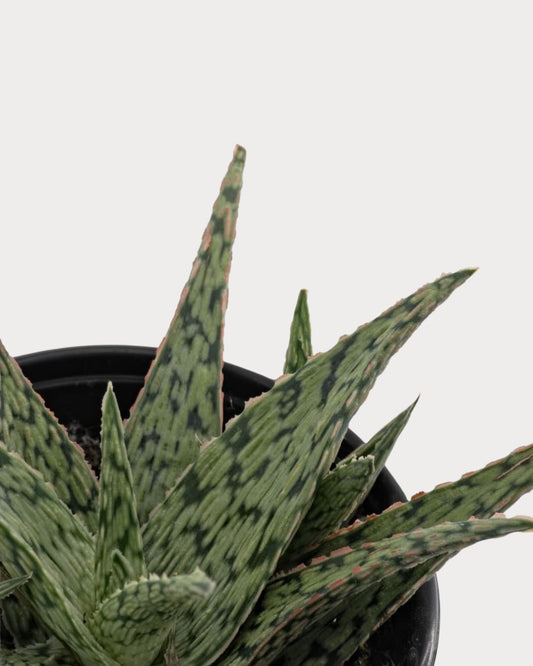
Aloe Pink Blush
Regular price $20Regular priceUnit price per -

 Join Waitlist
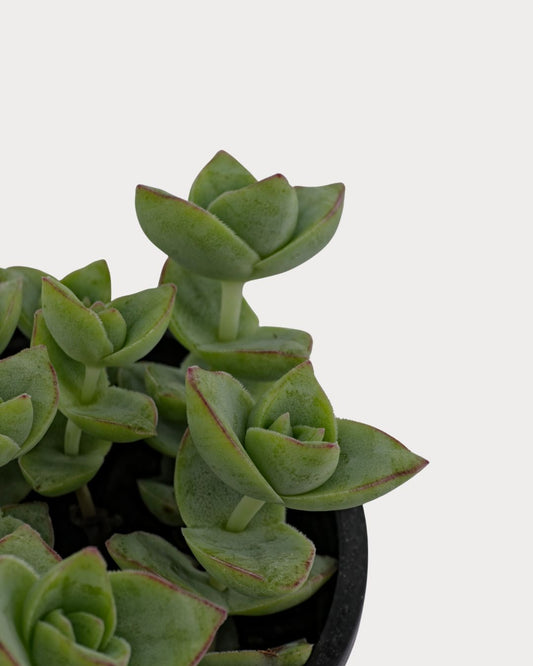
Jade Necklace (Crassula marnieriana)
Regular price $12Regular priceUnit price per -
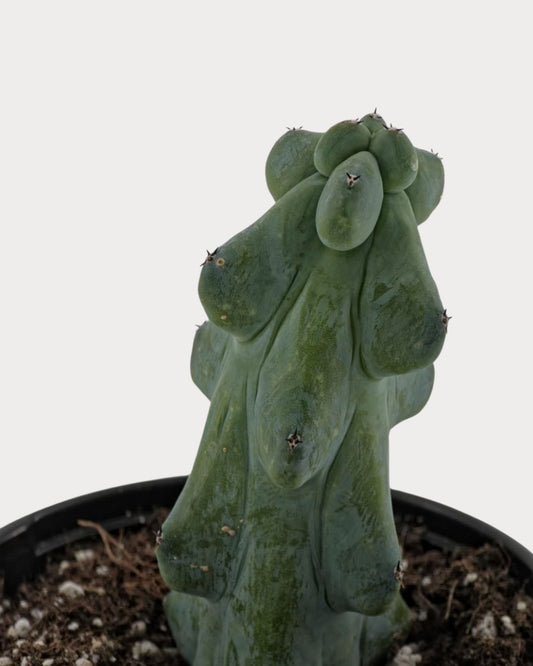
Boobie Cactus (Fukurokuryuzinboku)
Regular price $35Regular priceUnit price per -
Hoya Cumingiana
Regular price $15Regular priceUnit price per -
Ficus Elastica Burgundy
Regular price From $16Regular priceUnit price per -
Kalanchoe Thyrsiflora Flapjack
Regular price $18Regular priceUnit price per -
Ivy Marengo
Regular price From $10Regular priceUnit price per -

 Join Waitlist
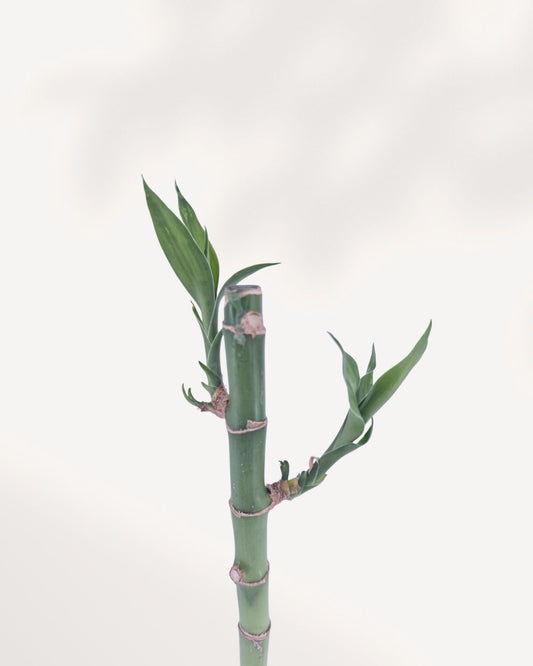
Lucky Bamboo Stem
Regular price $10Regular priceUnit price per -
Dracaena Fragrans Massangeana
Regular price $40Regular priceUnit price per -
Dieffenbachia Tiki
Regular price $15Regular priceUnit price per -
Anthurium Hookeri
Regular price $45Regular priceUnit price per -
Monstera Bulbasaur
Regular price $150Regular priceUnit price per












Learn from Blog's
View all-

Snake Plant vs ZZ Plant: Two Plants Even Plant ...
People kill both of these plants by watering them normally. The ZZ stores water in underground rhizomes that look like potatoes. The snake plant stores it in its leaves. Overwater...
Snake Plant vs ZZ Plant: Two Plants Even Plant ...
People kill both of these plants by watering them normally. The ZZ stores water in underground rhizomes that look like potatoes. The snake plant stores it in its leaves. Overwater...
-

5 Easy Indoor Plants You Won't Kill in a Canadi...
Beginner plants dying in Canadian homes has nothing to do with light or neglect. It's water. Too much of it, especially from November to March when the soil takes twice...
5 Easy Indoor Plants You Won't Kill in a Canadi...
Beginner plants dying in Canadian homes has nothing to do with light or neglect. It's water. Too much of it, especially from November to March when the soil takes twice...


MyGreenScape is your go-to online shop for indoor plants in cities Ontario or Quebec, including Toronto, Montreal, and many more. Our mission is to add joy to your home, one leaf at a time. Explore our range of beautiful, air-cleaning plants from the comfort of your home. You can find beautiful indoor plants, pots for plants, garden tools, and hanging basket plants all in one spot. Our mission is to add joy to your home, one leaf at a time.
Buying plants online with us means no more carrying heavy pots or figuring out how to get big plants home. We deliver straight from the gardener to you, with eco-friendly packaging, across Ontario and Quebec. Expect your new green friends within 2-7 days.
Why choose MyGreenScape? Here’s why:
- Lifetime Support: We’re here for you always. Get all the help you need for your plants to flourish.
- 30-Day Happy Plant Guarantee: Not happy with your plant? Tell us within 30 days, and we’ll fix it.
- Easy Delivery: Fast, direct to your doorstep in Ontario or Quebec.
Hear from a happy customer, Sarah T.: "Buying plants was never easier. Quick, simple, and with great support from MyGreenScape."
Ready for easy, stress-free plant shopping? Visit us now and make your home greener. Join MyGreenScape for a hassle-free way to bring nature inside.