
How to care for Cactus Plant
Overwatering is the number one killer of succulents and cacti worldwide.
Not pests. Not a disease. Not even neglect. Too much love kills the plant.
Just like that, a Reddit user watched her prized cactus turn to mush after following a "weekly watering" schedule she found online.
Here's the truth: bright light, bone-dry soil, and less water are all this plant needs to grow well.
This guide breaks down the exact watering rhythm, lighting requirements, and soil mix that keep cacti growing well for decades. Learn more.
Quick Answer
In a hurry? Read this quick and comprehensive cactus plant care guide:
- Light: Give cacti full sun and 6-8 hours of direct light daily outdoors or a south/west windowsill indoors.
- Water: Soak thoroughly only when the soil is bone-dry. Water every 2-3 weeks in spring/summer and once a month or less in winter.
- Soil & Pot: Use gritty and well-draining cactus mix in a shallow pot with holes and discard excess water to prevent soggy roots.
- Temperature: Cacuts plant does well in the range of 65-85°F during days and above 50°F nights with low humidity.
- Where to Buy Cactus: Place an order at MyGreenScape to get healthy and well-maintained plants at quite reasonable pricing.
Quick Plant Identification
Before we dive deep into the care guide details, here is a quick look at the plant variations and their care guide:
|
Common Name |
Types/Variants |
USDA Hardiness Zones |
Quick Care |
|
Barrel Cactus |
Golden Barrel, Fishhook |
9–11 |
Full sun; water every 3–4 weeks in summer, monthly in winter; gritty soil |
|
Prickly Pear |
Spineless, Santa Rita, Beavertail |
4–10 |
Full sun; water deeply but rarely; ultra-draining soil |
|
Saguaro |
— |
8–11 |
Full desert sun; minimal water; plant in the ground outdoors |
|
Christmas Cactus |
Holiday, Thanksgiving |
10–12 |
Bright indirect light; water when the topsoil is dry; regular potting mix |
|
Pincushion Cactus |
Powder Puff, Ball |
9–11 |
Bright light; water every 2–3 weeks, growing season; cactus mix |
|
Moon Cactus |
Grafted color tops |
Indoor |
Bright indirect; water sparingly; keep the grafted joint dry |
|
Hedgehog Cactus |
Claret Cup |
5–10 |
Full sun; very dry between waterings; cold-hardy |
|
Old Man Cactus |
— |
9–11 |
Full sun; water monthly; well-draining soil |
How Much Light Does a Cactus Need Indoors and Outdoors?
Cactus plants need lots of light. They respond well in bright, direct sunlight.
Our guide on choosing the ideal spot for your plants explains how to find the perfect location for cacti.
- For indoor plants, place your cactus on a south- or west-facing windowsill where it gets several hours of sun each day.
- When growing outdoors, most cacti prefer full sun, i.e., 6 to 8 hours of direct sunlight daily.
In low light, a cactus will stretch and become weak. In short, for better cactus plant care, give it “full sun” conditions whenever possible
Quick Lighting Tips
- Cacti can suffer from sunburn if suddenly moved from shade to intense sun, so if moving your plant outdoors for summer, acclimate it gradually over a week. Morning sun and gentle afternoon light are ideal.
- For indoor placement, orient the plant so its spines/sharps face away from where you sit – and rotate the pot occasionally so all sides get even light.
Pro Note: For more tips on finding the right light for any plant (including cacti), see our Plant Light Requirements guide for detailed guidance. It’s especially helpful if you’re wondering how to care for a Christmas cactus plant.
How Often Should You Water a Cactus Plant?
Cacti need less water. Therefore, you need to water it infrequently. Water only when the soil is dry or every 10 - 14 days in spring and summer, and every 4 - 6 weeks in fall and winter. Remember that the roots should be soaked thoroughly when you water.
As a Rule: Water only when the soil is bone-dry, then water until it drips out of the drainage holes. Overwatering is the most common care mistake with cacti. Check out our Ultimate Guide to Indoor Plant Watering for tips that make sure every plant gets just the right amount.
Signs of Overwatering and Underwatering
Overwatered Cactus: Overwatering causes these issues in the plant:
- Soft or mushy stems and roots, usually starting at the base
- Brown or black rot spots that spread quickly
- Yellowing or collapsing pads/stems
- Soft, oozy tissue or clear discoloration indicating rot
What to Do: If you notice any of these signs, repot the cactus in dry soil right away and cut off all dead or rotten tissue.

Underwatered Cactus: The stem will shrivel or wrinkle, looking dry. It may become soft on top as it uses up stored water. If a cactus looks thin, droopy, or shriveled, it needs water. (Shriveling is a natural signal of thirst.)

|
Tools: A simple soil moisture meter (see our 3-in-1 Soil Tester) can help. Insert it into the soil; if it reads dry, go ahead and water. |
What Is the Ideal Temperature and Humidity for Cactus Plants?
Cacti prefer warm, dry conditions.
- The ideal temperature range for the cactus plant is about 65–85°F (18–29°C) during the day.
- At night, cacti can tolerate cooler temperatures (some down to 50–60°F), but most cacti do not like frost.
Bring indoor cacti away from cold windows in winter and protect outdoor cacti from temperatures below about 50°F.
What are the Humidity Preferences for the Cacti Plant?
Humidity should be low to moderate. Desert cacti evolved in arid climates and tend to rot if it’s too humid. Keep your home’s humidity under 60% for the best cactus health.
|
Tip: Avoid placing cacti right next to a hot radiator or heat vent (as extreme dry heat can stress them). Conversely, avoid very humid bathrooms or kitchens. |
How Indoor Heating and Seasonal Humidity Affect Growth?
Winter and Indoor Heating: Central heat often dries the air, which is fine for cacti. Just ensure the temperature stays above 50°F. Cacti may slow growth or go dormant in winter; water very lightly and let the soil stay mostly dry.
Summer Heat and Humid Conditions: Warm, dry summer heat encourages growth. Ensure good ventilation (avoid stagnant hot air). If humidity climbs, aim to keep the environment on the drier side so the plant doesn’t sit in moist air for long periods. Also, you can try a dehumidifier or increase airflow by placing a fan near your plants or ensuring the area is well-ventilated to prevent moisture buildup.
 Areca Palm
 Parlor Palm
 Boston Fern
 Money Tree
 Ponytail Palm
 Prayer Plant
 Cast Iron Plant
 Peperomia Watermelon
 Baby Rubber Plant
 Hoya Plant
What Type of Soil and Fertilizer Does a Cactus Need?
Cacti need a well-draining soil mix. A special cactus/succulent mix (often containing sand, perlite, or pumice) is ideal because it prevents water retention.
How to Already Existing Soil for Cactus?
You can improve any potting soil by adding coarse grit (pumice, perlite, or coarse sand) until it’s very gritty. The soil should look almost like sandy gravel, so water rushes through it.
For ready-to-use options and soil enhancers, browse our Soil & Fertilizer Collection.
Pot and Drainage
- Use a shallow pot with drainage holes.
- Always discard any standing water that collects.
- Avoid heavy garden soil or clay, as cacti should never sit in soggy dirt.
Fertilizer Essentials: How and When to Fertilize
To help your cactus flourish, use a fertilizer designed for succulents or houseplants, preferably a balanced, water-soluble formula like 5-10-10, 2-7-7, or 10-10-10. Avoid high-nitrogen options, as they encourage soft growth and fewer spines. You can also try
Fertilization Application Guidelines
- Dilution: Always dilute fertilizer to half or quarter strength to prevent root burn.
- Timing: Apply only during the active growing season (late spring through summer), about every 6–8 weeks.
- Dormant Period: Do not fertilize in fall or winter, as cacti rest and can be damaged by excess nutrients.
- Method: Pour fertilizer evenly over the soil and water afterward to distribute nutrients.
Organic Alternatives: Compost tea or fish emulsion can also be used lightly during the growing season, as long as the soil drains well.
For an organic alternative, try the All-Natural Plant Fertilizer from MyGreenScape to keep your cactus thriving naturally.
How Do You Repot & Prune a Cactus Plant?
Cacti don’t ask for much, but repotting and the occasional trim give the roots fresh space and remove any damaged growth. A quick refresh every few years helps the plant stay stable, hydrated, and disease-free.
Step-by-Step Guide to Repotting Safely
Most cacti grow slowly, so they only need repotting every 2–3 years, ideally in spring or early summer.
Step 1. When repotting, choose a new pot just 1–2 inches larger in diameter (terracotta works especially well because it’s porous and helps the soil dry faster). Fill the pot with fresh cactus mix.

Step 2. For this step, you may need thick gloves or tongs to avoid spines. Turn the pot on its side and gently ease the cactus out (tapping or sliding it out). If stuck, carefully loosen edges or cut the pot away.

Step 3. Brush off old soil. Trim any black, mushy (rotten) roots with sterile scissors.

Step 4. Place a layer of new soil mix at the bottom. Set the cactus in the pot and fill around it with soil. Firm the soil lightly (the plant should stand upright on its own).

Step 5. Do not water for 5–7 days to allow any wounds to heal. Then resume the normal watering schedule.
When and How to Prune Your Cactus
- When: Trim only if there are dead stems or for shaping, and do it during the warm growing season (spring/summer) when cuts can heal quickly.
- How: Use clean, sharp tools and cut away any brown or dried-out stems. If pests or rot are present, remove the affected areas down to healthy green tissue.
- Aftercare: Allow cut surfaces to air dry for a day before watering to prevent infection. Discard trimmed pieces unless you plan to propagate them.
Discover Our Indor Plant Collection 🌿
Explore indoor plants that fit easily into bedrooms, living rooms, offices, and cosy corners across your home.
Explore NowStep-by-Step Guide for Cactus Plant Propagation
Cacti can be easily propagated from offsets (pups) or cuttings. This is the best way to multiply your cacti.
Offsets (Pups)
Step 1. Many cacti produce small “pups” at the base. To propagate, gently twist or cut the pup away from the mother plant with a sterile knife.

Step 2. Let the pup’s cut end dry and callous for a few days (to prevent rot). Then plant it in cactus soil and water lightly. Keep the soil barely moist until roots form, then return to normal care.

Stem Cuttings
Step 1. For columnar or segmenting cacti (like Christmas cactus segments), take a cutting of 4–6 inches from a healthy segment. Leave it in a dry, shaded spot for 1–2 weeks so the cut end scars over.

Step 2. Then insert the calloused end a few inches into the moist cactus mix. Mist lightly for a week, then resume infrequent watering. Roots will develop in a few weeks.

No additional rooting hormone is needed for most cacti. Propagated pups and cuttings grow into new plants over months. For more tips on succulent propagation, see our Succulents care guides.
What Are the Most Common Cactus Problems and How Do You Fix Them?
Even healthy cacti can face issues. Here are common problems and their fixes:
Yellowing Stems
Yellow or pale stems can result from overwatering, poor drainage, or nutrient deficiency.
- Fix: Ensure soil drains well (avoid keeping it moist) and adjust fertilizer. Light feeding can restore green color.
Pests
Mealybugs, spider mites, scale, and aphids can infest cacti. Signs include white cottony spots (mealybugs) or sticky residue.
- Fix: Dab pests with rubbing alcohol on a cotton swab, or use insecticidal soap. Isolate the plant and treat until the insects are gone. Ensure good air circulation and avoid excessive humidity, which can attract pests.

Drooping or Soft Stems
A cactus that is suddenly limp usually has overwatering or very poor light.
- Fix: Check soil moisture and light. If soggy, cut back the water and improve drainage. If it’s leggy and droopy, move it to a brighter light.

No Blooms
Some mature cacti fail to flower if conditions aren’t ideal. They need enough light, a proper winter rest (cool and dry), and adequate age.
- Fix: Ensure your cactus gets enough bright light during the growing season and slightly cooler, drier winter. Fertilize in spring/summer. With time and good care, blooms should appear.
Sunburn
Brown or bleached patches on the stem are caused by too much intense sunlight.
- Fix: Move the cactus slightly away from the harsh sun (especially afternoon sun) and provide some shade during peak hours.

For detailed solutions on dealing with insects and rot, see our Pests Guide (Common Pest Problems) for strategies. In summary, most cactus problems are fixed by adjusting water, light, and humidity to more desert-like conditions.
To show you a real example, here’s a Reddit post from someone dealing with the same cactus basics.Care instructions for cactus?
byu/kttyprydes inplant
Frequently Asked Questions About Cactus Plant Care
Can a cactus survive in low light or office lighting?
Low light or office lighting doesn’t meet a cactus’s basic needs. These plants depend on bright sun to produce enough energy. In dim conditions, they become leggy, pale, and fragile, and they rarely recover once stretched.
How do I make my cactus grow faster?
You can grow your cactus faster by giving it more light and nutrients. Cacti grow slowly by nature, but putting them in the brightest possible sun will maximize growth. Keep temperatures warm and use a proper cactus fertilizer in spring/summer.
Do cacti purify air or release oxygen at night?
Yes, cacti release a small amount of oxygen at night, but they are not significant air purifiers. They use crassulacean acid metabolism (CAM), meaning they fix CO₂ at night. But despite this mechanism, their overall air-purifying impact is minimal and not stronger than most other succulents.
Why isn’t my cactus blooming even after years?
Your cactus is not blooming because it may need:
- More bright light and the correct daylight length
- A proper winter rest with cool nights and no feeding
- Patience - many cacti are 3–5 years old before blooming.
Is a Cactus Plant Pet-Friendly or Toxic?
Cactus is a pet-friendly plant. However, these plants often have sharp spines, which can physically hurt curious pets. Also, some look-alike “cacti” (actually succulents) are toxic: the Pencil Cactus (Euphorbia tirucalli) has toxic sap, and other succulents like Kalanchoe or Jade plants (Crassula) can poison pets if eaten.
For pet owners, choose cacti with caution. Browse our Pet-Friendly Plants collection for worry-free choices.
Final Takeaway
In summary, cactus care is really about recreating its natural desert conditions. Provide bright sun, infrequent deep watering, warm temperatures, and well-draining soil. Check your cactus regularly for rot or pests, and take action early if problems arise. With these practices, you can grow a healthy, happy cactus year-round.
Looking to expand your desert garden? Explore unique cactus species and stylish planters at MyGreenScape to bring character and texture to your space.
The Positive Impact of Plants
-
Plants and Healing
Working with plants soothes the mind. It feels calming and healing, offering a peaceful break from daily life.
-
Plants for Recovery
Being around plants can speed up healing from sickness, making you feel better quicker in a natural way.
-
Plants and Work
Plants in your space may make your work better and faster, enhancing focus and creativity during tasks.
LETTING CUSTOMERS SPEAK FOR US!
Shop by Feature
-

Pet Friendly Plants
Not all houseplants are safe for pets, but you can still enjoy...
-

Air Purifying Plants
Improve indoor air quality naturally with our quality air-purifying plants. These plants...
-

Easy Grower Plants
Premium easy grower houseplants shipped fresh across the GTA. Perfect for beginners....
-

Low Light Plants
Want to bring life to spaces that don’t get enough sunlight? Explore...


FAQs for Plant Delivery in Ontario & Quebec
What types of house plants do you offer for delivery.
We offer a wide variety of houseplants for delivery. Here are some of the popular options: Aglaonema, Alocasia, Calathea, Hoya, Monstera, Palm, Peperomia, Philodendron, Pothos, Sansevieria Snake, Syngonium, Tradescantia.
What is the lifetime support?
All plants purchased from our store or through our workshops come with lifetime support. This means that whenever you have questions or concerns about your plant, we're here to help. Whether you're unsure about your plant's health or need advice, we can assist in identifying problems, answering your questions, and potentially saving your plant. Feel free to reach out to us on Instagram @mygreenscapeto or via email at support@mygreenscape.ca.
Where do MyGreenScape plants come from?
Our plants embark on a journey from various greenhouses across Canada. We prioritize short delivery routes to ensure your plant arrives happy, healthy, and full of vitality.
Do I have to repot my plants once they arrive?
Absolutely not! When your plant arrives, give it time to settle into its new home. Place it in the desired spot, and let it acclimate for about two weeks.
-

UNBEATABLE QUALITY
We source directly from top-rated growers, so we can sell the finest quality plants at the very best prices.
-

FREE DELIVERY
On qualifying orders,
typically arriving within 72 hours in the GTA
and 2–4 business days elsewhere.
-

LIFETIME PLANT SUPPORT
On all our plants purchased. If you have any questions or concerns don't hesitate to contact us!
-

HAPPY PLANT GUARANTEE
Your happiness is our top priority, which is why we offer a unbeatable 30-day satisfaction guarantee.


Favorite in our plant shop
-
Ficus Elastica Burgundy
Regular price From $16Regular priceUnit price per -
Kalanchoe Thyrsiflora Flapjack
Regular price $18Regular priceUnit price per -
Ivy Marengo
Regular price From $10Regular priceUnit price per -

 Join Waitlist
Lucky Bamboo Stem
Regular price $10Regular priceUnit price per -
Dracaena Fragrans Massangeana
Regular price $40Regular priceUnit price per -
Dieffenbachia Tiki
Regular price $15Regular priceUnit price per -
Anthurium Hookeri
Regular price $45Regular priceUnit price per -
Monstera Bulbasaur
Regular price $150Regular priceUnit price per -
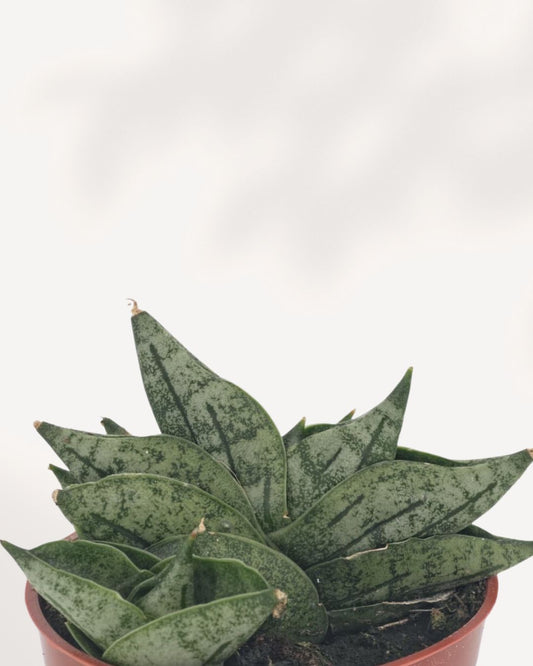
Sansevieria Dwarf Boncel Starfish
Regular price $8Regular priceUnit price per -
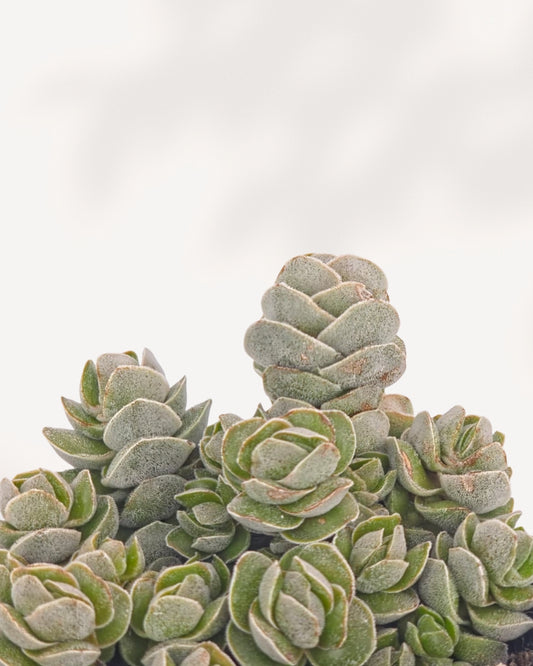
Crassula Ivory Pagoda
Regular price $28Regular priceUnit price per -
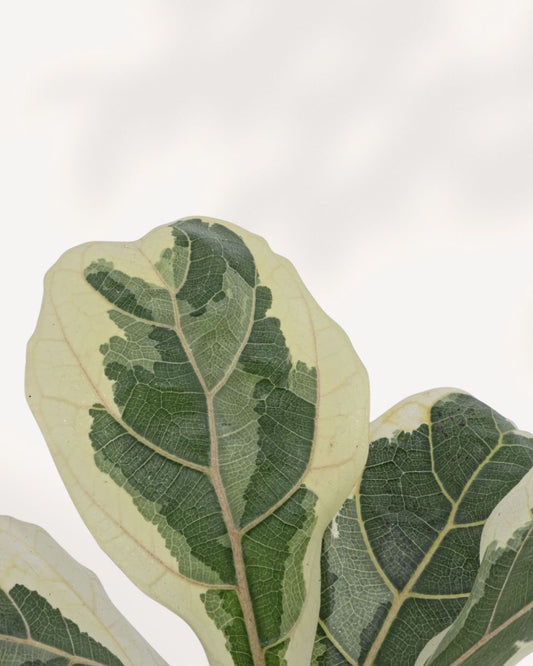
Fiddle Leaf Fig Variegated
Regular price $45Regular priceUnit price per -
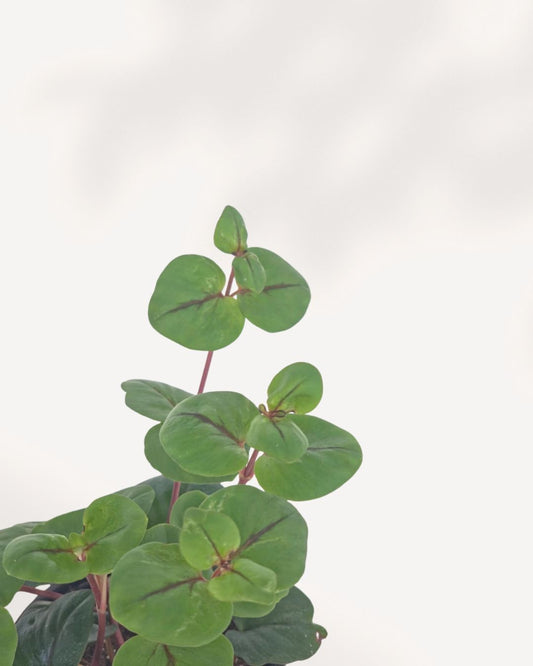
Creeping Jenny - Lysimachia
Regular price $10Regular priceUnit price per












Learn from Blog's
View all-

Snake Plant vs ZZ Plant: Two Plants Even Plant ...
People kill both of these plants by watering them normally. The ZZ stores water in underground rhizomes that look like potatoes. The snake plant stores it in its leaves. Overwater...
Snake Plant vs ZZ Plant: Two Plants Even Plant ...
People kill both of these plants by watering them normally. The ZZ stores water in underground rhizomes that look like potatoes. The snake plant stores it in its leaves. Overwater...
-

5 Easy Indoor Plants You Won't Kill in a Canadi...
Beginner plants dying in Canadian homes has nothing to do with light or neglect. It's water. Too much of it, especially from November to March when the soil takes twice...
5 Easy Indoor Plants You Won't Kill in a Canadi...
Beginner plants dying in Canadian homes has nothing to do with light or neglect. It's water. Too much of it, especially from November to March when the soil takes twice...


MyGreenScape is your go-to online shop for indoor plants in cities Ontario or Quebec, including Toronto, Montreal, and many more. Our mission is to add joy to your home, one leaf at a time. Explore our range of beautiful, air-cleaning plants from the comfort of your home. You can find beautiful indoor plants, pots for plants, garden tools, and hanging basket plants all in one spot. Our mission is to add joy to your home, one leaf at a time.
Buying plants online with us means no more carrying heavy pots or figuring out how to get big plants home. We deliver straight from the gardener to you, with eco-friendly packaging, across Ontario and Quebec. Expect your new green friends within 2-7 days.
Why choose MyGreenScape? Here’s why:
- Lifetime Support: We’re here for you always. Get all the help you need for your plants to flourish.
- 30-Day Happy Plant Guarantee: Not happy with your plant? Tell us within 30 days, and we’ll fix it.
- Easy Delivery: Fast, direct to your doorstep in Ontario or Quebec.
Hear from a happy customer, Sarah T.: "Buying plants was never easier. Quick, simple, and with great support from MyGreenscape."
Ready for easy, stress-free plant shopping? Visit us now and make your home greener. Join MyGreenScape for a hassle-free way to bring nature inside.