



How to Care for Water Lily (Nymphaea) for the Best Plant Growth
Many new gardeners find their lilies yellowing, refusing to flower, or sinking below the surface. All because of a few small care mistakes. A Reddit user, r/HawaiiGardening, is stuck with a similar query about taking care of their water lilies.
Water lilies (genus Nymphaea) are aquatic plants that add beauty and balance to ponds and water gardens. In Canada, you’ll find both hardy (zone 4-9) and tropical water lilies. Hardy types can survive winter in northern climates, while tropical ones need protection from frost.

If you’ve ever wondered “Why won’t my water lily bloom?” or “How deep should I plant it?”, this guide is for you. You’ll learn exactly how to water a water lily and properly care for its growth.
In addition, we will share top-notch troubleshooting tips for common issues to help your water lily thrive all season long.
Quick Water Lily Care Guide
- Light: Needs full sun, at least 6-8 hours daily for healthy leaves and flowers.
- Water: Keep in still, clean water (no fountains or splashing). Ideal depth is 12-24 inches above the pot. Avoid tap water unless it’s been dechlorinated.
- Soil: Use heavy clay or aquatic soil so the plant stays anchored. Avoid light potting mixes, as they’ll float and cloud the water.
- Temperature: Water lilies love warm water (65-85°F / 18-29°C). Tropical types need it warmer (above 70°F). Hardy ones can handle cold but must not freeze solid.
- Fertilizer: Push aquatic fertilizer tablets into the soil every 4-6 weeks in spring and summer. Never add fertilizer directly to the water.
- Pruning: Regularly cut off yellow or dead leaves and faded flowers to keep the water clean. In spring, remove about one-third of old leaves when repotting.
- Where to Buy Water Lily: Contact MyGreenScape to get a fresh Water Lily plant with a 30-day Happy Plant Guarantee.
How to Identify a Water Lily (Nymphaea)
Water lilies are easy to recognize once you know what to look for.

Here’s a simple table to help you quickly identify a true Nymphaea species.
|
Feature |
What to Look For |
|
Leaves (Pads) |
Round, flat, floating pads with a slit on one side. Usually green, sometimes mottled. |
|
Flowers |
Bloom on the water surface or just above it. Colors include white, yellow, pink, red, and purple (tropical types). Open in daylight and close at night. |
|
Growth Habit |
Grows from a thick rhizome planted in soil at the bottom of the pond/container. Pads and flowers rise on long, flexible stems. |
|
Roots |
Anchored in heavy aquatic soil, not floating roots. |
|
Water Depth |
Most hardy types grow best with 12-24 inches of water above the pot. Tropical types sit slightly less deep. |
|
Fragrance |
Many varieties have a light, sweet scent (especially tropical lilies). |
|
Bloom Season |
Hardy lilies bloom from late spring to early fall. Tropical lilies bloom in summer and need warmer water. |
Note: This guide comprehensively covers how to take care water lily plant, which is an outdoor plant. But if you have an indoor plant, read our comprehensive guide on how to take care of indoor plants.
What is the Basic Water Lily Care Guide?
Water lilies grow best when a few simple conditions are met. Here’s the beginner-friendly breakdown of what they need to stay healthy and bloom reliably.
How Much Light Do Water Lilies Require?
- Give full sun for blooms (at least 6-8 hours daily).
- Place containers or tubs in the brightest area of your yard, patio, or balcony.
- Use still, warm water (no fountains or splashing).
- Avoid tap water unless you let it sit for 24 hours or use a dechlorinator.
|
Pro tip: If leaves stay underwater, the plant is too deep or needs more warmth/light. |
Don’t forget to read: An entire guide on how to provide the optimal lighting to your indoor plants. Learn about the requirements and placement.
Discover Our Indor Plant Collection 🌿
Explore indoor plants that fit easily into bedrooms, living rooms, offices, and cosy corners across your home.
Explore NowHow to Satisfy Water Lily Fertilization and Soil Needs
- Use heavy clay soil or aquatic plant soil (keeps the plant anchored).
- Avoid regular potting soil (it floats and clouds the water).
- Fertilize through the soil only, using aquatic fertilizer tablets pushed near the rhizome every 4-6 weeks in spring and summer.
- Do not add fertilizer directly into the water.
P.S. Read our ultimate guide on indoor plant watering to learn how to water your indoor plants for their optimal growth.
Temperature & Humidity Requirements for Water Lily
- Ideal water temperature: 65-85°F (18-29°C).
- Tropical lilies need warmer water (above 70°F) and slow down when cool.
- Hardy lilies manage cooler Canadian temperatures but the roots must not freeze solid.
- Humidity isn’t important. Water lilies take everything they need from the water environment.
How to Prune & Repot Water Lily Plants
Water lilies stay healthier and bloom more when they’re trimmed and repotted at the right time. Here’s the simplest way to do it.
Pruning: How to Keep Your Water Lily Clean and Healthy
- Remove yellow, damaged, or rotting leaves as soon as you see them.
- Snip off spent flowers to prevent decay in the water.
- In early spring, prune away about one-third of old leaves to make room for new growth.
- Always cut stems close to the rhizome (but avoid cutting the rhizome itself).
- Regular pruning keeps the water clear and encourages stronger blooms.
Repotting: How to Pot Water Lily for the Optimal Growth
Water lilies usually need repotting every 1-2 years, especially when pads become crowded.
1. Choose the Right Pot
- Use wide, shallow containers (about 12-16 inches wide and 8-10 inches deep).
- Avoid tall, narrow pots (they cause weak growth and floating pots).
- Choose solid containers (no drainage holes needed underwater).
|
Pro read: Choosing a pot is a struggling task for many new planters. Get potting wisdom from this guide and perfect the art of choosing the right container for your plant. |

2. Prepare the Soil
- Use heavy clay soil or aquatic plant soil.
- Avoid potting mix (it floats and makes murky water).
3. Place and Anchor the Plant Correctly
- Set the rhizome at a 45° angle, with the growing tip (“eye”) pointing upward.
- Leave the growing tip exposed so new leaves can easily rise to the surface.
- Press soil firmly and optionally add a thin layer of pea gravel to keep soil in place.
- Insert aquatic fertilizer tablets into the soil (not the water).

4. Submerge the Pot
- Lower gently into your pond or container.
- Ideal depth: 12-24 inches of water above the pot for most hardy lilies.
- If pads cannot reach the surface, start shallower and lower gradually.

|
Need to dig in repotting your plant? Read this guide to learn the when, why, and how of repotting for the healthy growth of the plant. |
How to Propagate a Water Lily?
Water lilies can be propagated in two main ways:
Rhizome Division (Most Common & Easiest)
Best for hardy lilies and the method recommended for beginners.
Seed Propagation (Advanced)
Slow and unpredictable (mainly used by growers or hybridizers).
For home gardeners, rhizome division is the reliable method. Here’s how to do it.
|
Pro Help: Never kill another plant. Learn about the 9 core basics to take care of your new plant baby . |
Step-by-Step Guide to Propagating Water Lilies (Rhizome Division)
1. Remove the Plant From Its Pot
- Lift the water lily pot out of the pond or container.
- Rinse gently to expose the rhizome and roots.
- Trim away dead leaves so you can clearly see the growth points.

2. Identify Healthy Sections and Cut the Rhizome
- Look for firm and healthy roots.
- Use a clean, sharp knife or pruners.
- Cut the rhizome into sections 3-4 inches long, each with a visible growing tip.
- Remove old roots or damaged tissue.

3. Prepare the Pot
- Choose a wide, shallow container (the same type used for repotting).
- Fill with heavy clay or aquatic soil.
- Fertilizer tablets can be added now (in the soil, never in the water).

4. Plant Each Rhizome Section
- Hold each piece at a 45° angle.
- Bury only the back end of the rhizome (leave the growing tip slightly above the soil).
- Press soil firmly to anchor it.

5. Submerge the Pot in Water
- Slowly lower the pot into your pond or tub.
- Keep the water level 12-18 inches above the pot until new leaves reach the surface.
- New leaves should appear within 1-3 weeks in warm weather.

|
Seed Propagation: Less commonly, you can grow water lilies from seed, but this is slow and less reliable. Some tropicals also produce tubers (like small bulbs) in fall that can be lifted, stored in moist peat at ~55-60°F, and replanted in spring. |
Note: If you want your new water lily divisions to grow well, this guide on the best soil for indoor plants in Canada will help you pick the right soil mix.
 Areca Palm
 Parlor Palm
 Boston Fern
 Money Tree
 Ponytail Palm
 Prayer Plant
 Cast Iron Plant
 Peperomia Watermelon
 Baby Rubber Plant
 Hoya Plant
Practical Tips for Home Gardeners to Grow Water Lilies
Here are beginner-friendly tips to help your water lily thrive in small ponds, tubs, or patio water gardens.
Container or Indoor/Patio Growing
- You can grow water lilies easily in large tubs, half-barrels, or water garden kits.
- Choose a wide, shallow container and place it where it gets full sun.
- For mosquito control in outdoor tubs, add a few small fish (like platies or goldfish). They eat mosquito larvae and keep the water cleaner.
- Companion Planting for a Balanced Water Garden
Pair lilies with other aquatic plants that support a healthy mini-ecosystem:
- Marginals: irises, rushes, cattails
- Floaters: water lettuce, frogbit
- Submerged oxygenators: hornwort, anacharis
These help reduce algae and stabilize water quality.
Benefits of Growing Water Lilies
- Shade for fish: Pads cool the water and protect goldfish/koi.
- Algae control: Shaded water slows algae growth.
- Pollinator-friendly: Flowers attract bees, butterflies, and dragonflies.
- Easy beauty: Once established, lilies bloom all summer with minimal effort.
|
But we don’t just cover outdoor plant tips - we also have a whole guide on how to take care of the indoor plants. Read more to learn about how to take well care of your next plant pet. |
Common Water Lily Problems & Solutions
Here are the most common issues beginner gardeners face, and the simplest fixes to keep your water lily healthy.
1. Yellowing Leaves
Cause: Old growth, low nutrients, or not enough sun.
Fix:
- Remove old/yellow leaves.
- Add aquatic fertilizer tablets to the soil.
- Ensure 6-8 hours of full sun daily.

2. Algae or Murky Water
Cause: Too much sun on open water, excess nutrients, or unbalanced ecosystem.
Fix:
- Add floating plants (water lettuce, frogbit) for shade.
- Add a few small fish to eat algae and debris.
-
Avoid over-fertilizing (tablets only, never loose fertilizer).
3. Pests (Aphids, Beetles, Caterpillars)
Cause: Warm weather attracts small insects to soft leaves.
Fix:
- Rinse leaves gently with water.
- Use safe insecticidal soap on severe infestations.
- Remove damaged leaves to stop the spread.

4. Crown Rot
Cause: Rotting rhizome from cold water, poor soil, or overcrowding.
Fix:
- Remove and discard infected rhizome sections.
- Repot healthy sections in fresh, heavy aquatic soil.
- Ensure water isn’t too cold for tropical lilies (they decline quickly).

5. Mosquitoes
Cause: Still water without fish or circulation.
Fix:
- Add small fish (platies, goldfish); they eat larvae.
- Use biological mosquito dunks (Bti) if needed.
- Remove dead leaves that trap stagnant water.

But aphids, beetles, and caterpillars are not the only pests that hurt plants. Learn about more pests that you should look for to take care of your plants.
A Reddit user recently shared a similar experience, which adds helpful context.How do I take care of my water lily?
byu/DisplayNo3355 inHawaiiGardening
What Seasonal Care Do Water Lilies Need?
Water lilies grow differently throughout the year. Here’s the simple seasonal care you need for both hardy and tropical types.
Summer Care
- Give full sun and keep water warm (above 65°F / 18°C).
- Fertilize with aquatic tablets every 4-6 weeks.
- Remove yellow leaves and faded flowers weekly.
- Keep water depth steady: 12-24 inches above the pot for hardy lilies.
Winter Care
Hardy Water Lilies
- Hardy lilies survive winter if the rhizome stays below the ice line.
- Move pots to the deepest part of the pond (so water doesn’t freeze solid).
- Stop fertilizing in fall (the plant will naturally go dormant).
- Trim dead growth but do not disturb the rhizome.
Tropical Water Lilies
- Tropical lilies cannot survive freezing.
- Bring indoors and overwinter in a container kept above 70°F (21°C).
- Reduce watering in winter and keep the tub in a sunny, warm spot.
|
Further read: This guide covers more winter-specific tips for you to take care of your plants in cold seasons. |
FAQs
1. Is water lily the same as lotus?
No. Water lilies (Nymphaea) float on the water surface with round pads. Lotuses (Nelumbo) rise above the water with tall stems and different seed pods.
2. What does a water lily symbolize?
Water lilies often symbolize peace, purity, renewal, and calmness in many cultures.
3. Do water lilies attract mosquitoes?
Yes, water lilies can attract mosquitoes because they create calm, still water where the insects can lay their eggs. However, adding small fish (goldfish, platies) prevents larvae completely.
4. Why do water lily leaves stay dry?
Water lily leaves stay dry because their pads have a wax-like coating that repels water, helping them float and resist damage.
Conclusion
Water lily care is simple once you follow the basics: full sun, still warm water, heavy soil, and steady fertilizing. With regular pruning and seasonal adjustments, your lily will reward you with healthy pads and bright summer blooms.
This guide covered everything beginner gardeners need for growing their lilies, along with troubleshooting and seasonal care tips.
Ready to grow your own? Explore water lilies and more top-notch plants from a trustworthy source.
The Positive Impact of Plants
-
Plants and Healing
Working with plants soothes the mind. It feels calming and healing, offering a peaceful break from daily life.
-
Plants for Recovery
Being around plants can speed up healing from sickness, making you feel better quicker in a natural way.
-
Plants and Work
Plants in your space may make your work better and faster, enhancing focus and creativity during tasks.
LETTING CUSTOMERS SPEAK FOR US!
Shop by Feature
-

Pet Friendly Plants With 30-Day Happy Plant Guarantee
Pet-Safe Plants for a Healthier, Happier Home Welcome to our pet-friendly plant...
-

Air Purifying Plants With 30-Day Happy Plant Guarantee
The Best Indoor Plants for a Fresher Living Space Our collection offers...
-

Easy Grower Plants With 30-Day Happy Plant Guarantee
Easy Grower Plants: Perfect for Beginners Easy-grower plants live up to their...
-

Low Light Plants With 30-Day Happy Plant Guarantee
Bring Nature Indoors: Low-Light Plants for Any Space Looking for plants that...


FAQs for Plant Delivery in Ontario & Quebec
What types of house plants do you offer for delivery.
We offer a wide variety of houseplants for delivery. Here are some of the popular options: Aglaonema, Alocasia, Calathea, Hoya, Monstera, Palm, Peperomia, Philodendron, Pothos, Sansevieria Snake, Syngonium, Tradescantia.
What is the lifetime support?
All plants purchased from our store or through our workshops come with lifetime support. This means that whenever you have questions or concerns about your plant, we're here to help. Whether you're unsure about your plant's health or need advice, we can assist in identifying problems, answering your questions, and potentially saving your plant. Feel free to reach out to us on Instagram @mygreenscapeto or via email at support@mygreenscape.ca.
Where do Mygreenscape plants come from?
Our plants embark on a journey from various greenhouses across Canada. We prioritize short delivery routes to ensure your plant arrives happy, healthy, and full of vitality.
Do I have to repot my plants once they arrive?
Absolutely not! When your plant arrives, give it time to settle into its new home. Place it in the desired spot, and let it acclimate for about two weeks.
-

UNBEATABLE QUALITY
We source directly from top-rated growers, so we can sell the finest quality plants at the very best prices.
-

FREE DELIVERY
On qualifying orders,
typically arriving within 72 hours in the GTA
and 2–4 business days elsewhere.
-

LIFETIME PLANT SUPPORT
On all our plants purchased. If you have any questions or concerns don't hesitate to contact us!
-

HAPPY PLANT GUARANTEE
Your happiness is our top priority, which is why we offer a unbeatable 30-day satisfaction guarantee.


Favorite in our plant shop
-
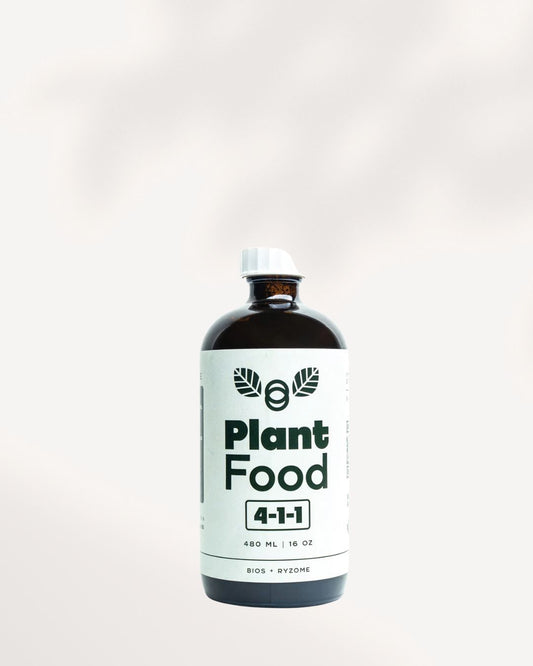
Liquid Plant Fertilizer
Regular price From $30Regular priceUnit price per -
Plant Saucer
Regular price From $2Regular priceUnit price per -
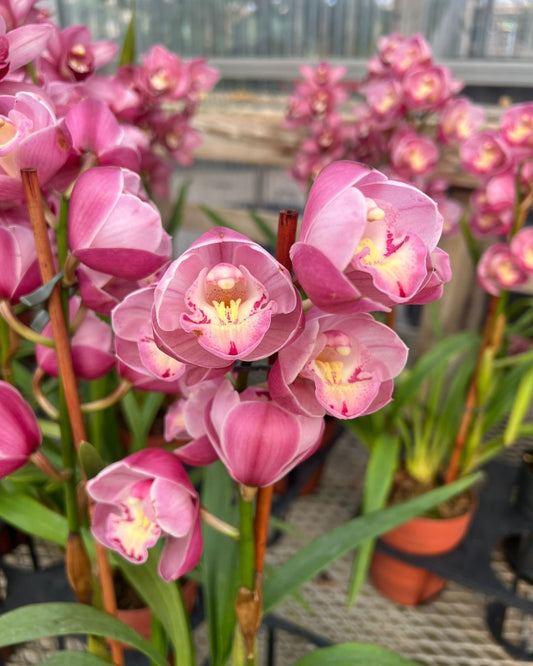
Cymbidium Orchid
Regular price $89Regular priceUnit price per -
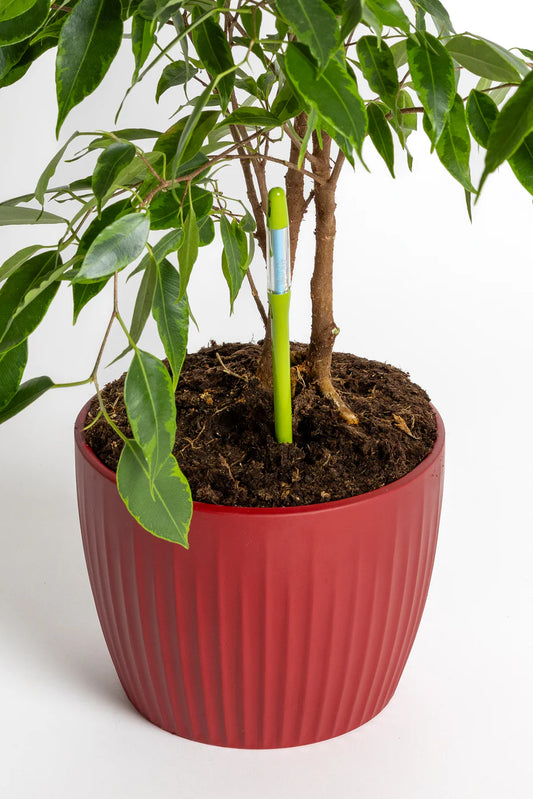
SUStee Soil Moisture Indicators
Regular price From $12Regular priceUnit price per -
Christmas Cactus
Regular price $12Regular priceUnit price per -
Ellwoodii Cypress
Regular price $18Regular priceUnit price per -
Philodendron 'McColley's Finale'
Regular price $15Regular priceUnit price per -
Begonia Rex 'Harmony Stained Glass'
Regular price $15Regular priceUnit price per -
Monstera Siltepecana
Regular price $15Regular priceUnit price per -
Philodendron Green Congo Nuclear
Regular price $45Regular priceUnit price per -
Nepenthes Sanguinea Pitcher Plant
Regular price $35Regular priceUnit price per -
Cobra Fern
Regular price $18Regular priceUnit price per













Learn from Blog's
View all-

Best Plants for Office You’ll Wish You Knew Soo...
So you're spending 8+ hours staring at spreadsheets, attending back-to-back meetings, and wondering why your workspace feels so. Lifeless? Here's a secret that Fortune 500 companies already know: The right...
Best Plants for Office You’ll Wish You Knew Soo...
So you're spending 8+ hours staring at spreadsheets, attending back-to-back meetings, and wondering why your workspace feels so. Lifeless? Here's a secret that Fortune 500 companies already know: The right...
-

A Complete Philodendron Pink Princess Care Guide
So you are very much into the beauty of Philodendron Pink Princess, and why not? This is the only plant in the world that has a unique bubblegum pink color...
A Complete Philodendron Pink Princess Care Guide
So you are very much into the beauty of Philodendron Pink Princess, and why not? This is the only plant in the world that has a unique bubblegum pink color...


MyGreenScape is your go-to online shop for indoor plants in cities Ontario or Quebec, including Toronto, Montreal, and many more. Our mission is to add joy to your home, one leaf at a time. Explore our range of beautiful, air-cleaning plants from the comfort of your home. You can find beautiful indoor plants, pots for plants, garden tools, and hanging basket plants all in one spot. Our mission is to add joy to your home, one leaf at a time.
Buying plants online with us means no more carrying heavy pots or figuring out how to get big plants home. We deliver straight from the gardener to you, with eco-friendly packaging, across Ontario and Quebec. Expect your new green friends within 2-7 days.
Why choose MyGreenScape? Here’s why:
- Lifetime Support: We’re here for you always. Get all the help you need for your plants to flourish.
- 30-Day Happy Plant Guarantee: Not happy with your plant? Tell us within 30 days, and we’ll fix it.
- Easy Delivery: Fast, direct to your doorstep in Ontario or Quebec.
Hear from a happy customer, Sarah T.: "Buying plants was never easier. Quick, simple, and with great support from MyGreenscape."
Ready for easy, stress-free plant shopping? Visit us now and make your home greener. Join MyGreenScape for a hassle-free way to bring nature inside.